
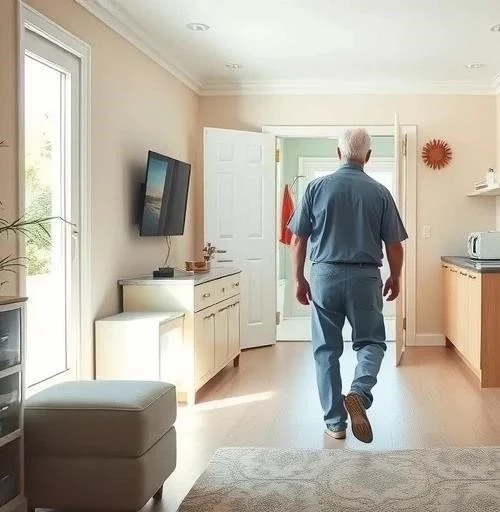
Renovating a home for older people is not simply a cosmetic update. Thoughtful apartment adaptation creates a safe, accessible, barrier-free environment, supports independence and makes everyday care easier. These recommendations focus on comfort, home ergonomics and reducing the risk of falls.
Assess needs and plan the layout
Discuss mobility, vision, hearing and daily routines with your parents before choosing finishes. For a studio apartment layout, zoning can separate sleeping, cooking and sitting areas without blocking movement. Apartment remodeling may involve removing unnecessary partitions, but check building rules and get professional advice before changing walls. Keep a clear route between the bed, bathroom and entrance.
Set the budget and prepare the room
Compare a step-by-step renovation with a turnkey renovation. A written repair estimate should list labor, materials and a contingency; this makes the renovation budget easier to control. Room preparation includes protecting belongings, arranging temporary accommodation if needed and confirming the work schedule. Age-conscious renovation is safest when electrical and plumbing work is inspected by qualified tradespeople.
Make floors, doors and lighting safer
Remove thresholds wherever possible, widen doorways when feasible and create a level floor. Choose durable, non-slip flooring, especially along routes to the bathroom and kitchen. Plan apartment lighting to avoid dark corners and glare: combine general light with task lighting and night lights. Set switch height so controls are easy to reach from a standing or seated position, and install outlets at accessible heights. Consider rewiring if the existing system is old or overloaded.
Create a comfortable bathroom
A comfortable bathroom needs clear access, secure bathroom grab bars and anti-slip tile. The preferred barrier-free shower is a walk-in shower with no tray; it avoids a step that can cause a fall. Add a shower seat, hand-held showerhead and reachable controls; If a level-entry shower is not possible, choose the safest practical alternative and have a specialist assess it.
Adapt the bedroom and kitchen
Choose furniture for older adults with stable support and rounded edges. A comfortable bed at a suitable height, paired with an orthopedic mattress, makes getting up easier. In the kitchen, keep frequently used items within reach, secure appliances and avoid storing heavy objects overhead. Good storage organization reduces bending and climbing.
Check comfort and safety
Ensure ventilation works, reduce noise with suitable soundproofing and use warm colors with strong enough contrast to distinguish edges and controls. Review the home for loose rugs, trailing cables and unstable furniture. A final walkthrough with your parents helps confirm that the accessible environment works in practice. Good renovation improves comfort for parents, supports elderly care and strengthens everyday home safety.

8 Comments. Оставить новый
The emphasis on clear routes between essential rooms is important. A layout that looks spacious on paper can still be difficult to navigate, so considering how someone actually moves through the apartment is valuable.
This article recognizes that renovation involves more than construction work. Protecting belongings, arranging temporary accommodation and setting a schedule can make the process less stressful for older residents.
The recommendations on flooring, thresholds and lighting address common fall risks in a clear way. I also like that the article mentions glare and dark corners, since both can affect visibility.
This is a practical overview because it treats accessibility as part of the renovation plan rather than an afterthought. I especially appreciate the advice to discuss daily routines and mobility needs before changing the layout.
It is helpful that the article advises checking building rules and consulting professionals before altering walls. Accessibility changes should improve the home without creating structural or regulatory problems.
Including a written estimate and contingency is sensible advice. Renovations can uncover unexpected costs, and planning for them helps families avoid having to compromise on important safety improvements.
A useful guide with a strong focus on independence and practical safety. The reminder to have electrical and plumbing work checked by qualified tradespeople is particularly important for a reliable, long-term result.
The bathroom suggestions are especially relevant because wet surfaces and raised shower trays can make everyday routines more hazardous. Pairing a level shower with secure supports and non-slip surfaces is a thoughtful approach.