
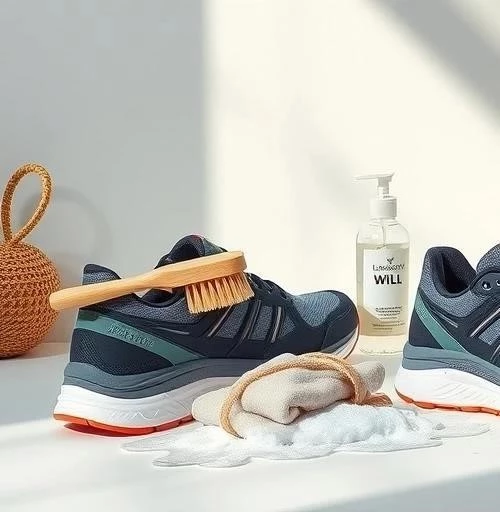
Thoughtful care helps winter Saucony shoes stay comfortable and durable for wider feet. Attention can preserve their shape and support while preventing avoidable wear; this matters because a roomy fit works best when the shoe remains stable, materials stay sound.
Check the care label and upper material first, because waterproof membranes and mesh require different cleaning methods
Before choosing any care routine, read the sewn-in label and the product page for your exact Saucony winter model. The label is the best authority because materials and construction can vary between styles, seasons, and sizes. Identify whether the upper is mesh, synthetic overlay, leather, or a waterproof membrane; the same-looking surface may conceal different layers. That distinction matters: mesh can snag or distort under an unsuitable approach, while a membrane’s performance may depend on its bonded layers and approved care. Check care icons and written notes for limits on water, heat, solvents, and treatments before selecting any product. If the label is missing, consult Saucony’s model-specific guidance or ask customer support, rather than assuming that a familiar shoe-care rule applies. This check is especially useful for wide-fit versions: preserving the intended upper structure helps the shoe continue to sit comfortably across the forefoot. Record the exact model name and material details, since neighboring versions may use different uppers and carry different care instructions.
Treat the label as model-specific evidence, not a generic suggestion: winter designs can combine fabrics, coatings, and structural overlays, so the correct care choice depends on the upper actually fitted to your pair. Check the model label first now too.
Remove mud and road salt promptly with a soft brush and mild cleaner to prevent residue from damaging the upper
Winter streets leave more than ordinary dirt on a shoe: wet mud and de-icing salt can cling to the upper, then dry into a gritty film. Deal with spots soon after a walk, because dried deposits are harder to lift and repeated rubbing may abrade fabric or coatings. Begin by loosening loose clumps with a clean, soft-bristled brush, using light strokes rather than pressing grit into the surface. Brush in one direction where practical, and tap the shoe gently to release particles; forceful scrubbing can roughen fibers and push residue deeper. For remaining marks, use a small amount of mild cleaner diluted as its instructions specify, applying it with a damp cloth or soft sponge. Work gently over the affected area instead of soaking the whole shoe, and avoid household bleach, harsh detergents, or abrasive powders that may discolor or weaken the upper. Road salt deserves careful removal: a pale crust may look harmless, yet residue left on the surface can attract moisture and leave marks as conditions change. After cleaning, pass a fresh, lightly damp cloth over the treated spot to pick up loosened dirt and cleaner, rather than spreading grime elsewhere. Use a separate clean section of cloth for each pass; this simple habit reduces transfer and makes it easier to see whether the residue is actually gone. Salt can stain shoes; gentle care matters, too.
Air-dry shoes at room temperature with the insoles removed, since direct heat can deform materials and compromise the roomy fit
Once the shoes are wet, remove the insoles and loosen the laces so dampness can escape from the interior. Set each shoe in a ventilated room at normal indoor temperature, away from radiators, fireplaces, and sunny windows. Direct heat may dry some areas too quickly, stiffen materials, or alter the shape that gives a wide foot comfortable space. That caution is practical, not cosmetic: preserving the upper’s relaxed form helps maintain the intended fit across a broader forefoot. Keep shoes upright on a dry surface, and allow air to circulate around both sides rather than placing them in a closed cupboard. Do not put them in a tumble dryer or use a hair dryer; fast, concentrated heat is difficult to control and can stress glued components. Check the interior periodically and wait until all parts feel fully dry before wearing the pair again; damp lining can feel uncomfortable and may encourage odor. For a slower, even dry, place loosely crumpled plain paper inside each shoe to absorb moisture, but replace it when it becomes damp. Avoid tightly packing the toe box: gentle airflow is preferable, since rigid stuffing can push the upper outward while it is damp. Give the pair enough time to dry naturally rather than rushing the process; the extra patience protects comfort on the next cold-weather walk. Let every shoe dry evenly before wearing it outdoors again.
Use only a material-compatible water-repellent treatment, and inspect the outsole regularly because winter traction depends on intact tread
Choose a water-repellent treatment only when its label explicitly lists the upper material on your Saucony pair. A product made for leather, for example, may not suit mesh or a coated textile; applying an incompatible formula can leave marks or affect the finish. Check the product instructions and shoe-care guidance first, and test a small, inconspicuous area as directed. This cautious choice is worthwhile because protection should not come at the cost of appearance or material performance. Apply sparingly and evenly, following the stated drying and reapplication intervals; more product is not automatically better.
Inspect the outsole often, especially after walks on wet, icy, or gritty streets. Look across the full tread for worn-down lugs, cracks, separation, or stones lodged in grooves. Tread edges and channels help the sole grip uneven winter surfaces, so damage or heavy wear can reduce dependable contact. If one area is noticeably smoother than the rest, or the outsole begins peeling, seek advice from Saucony or a qualified footwear shop rather than assuming traction remains reliable. Replace shoes when wear compromises safe footing; careful observation is more useful than judging by appearance alone. Wide-fit comfort matters, but it cannot compensate for a worn sole. Regular checks make winter walking more predictable each day in snow.
8 Comments. Оставить новый
The connection between shoe care and maintaining a comfortable wide fit is a helpful point. Preserving the upper structure can support the intended fit, not just keep the shoes looking clean.
I appreciate the emphasis on identifying the upper material before cleaning. Mesh, leather, and waterproof membranes may need different treatment, and the article explains why that distinction matters for preserving both the shoe and its performance.
The advice to check the care label first is practical and well reasoned. Winter shoes can use different materials even within the same product line, so a model-specific approach makes more sense than relying on a one-size-fits-all cleaning method.
The advice is practical without promising more than routine care can deliver. Checking the materials and cleaning away winter grime gently are sensible steps for keeping shoes in good condition.
I found the material-specific cautions particularly useful. Avoiding unsuitable heat, solvents, or treatments is a straightforward way to reduce the risk of damaging a shoe while trying to care for it.
This is a clear and responsible introduction to winter shoe care. Suggesting model-specific guidance when the label is missing is better than encouraging readers to guess about a waterproof coating or membrane.
The article takes a careful, evidence-based approach by directing readers to the label or manufacturer rather than assuming every winter shoe can be cleaned the same way. That makes the advice especially trustworthy.
This is a useful reminder that road salt and mud should not be left to build up. The guidance is sensible because prompt, gentle cleaning can help prevent residue from affecting the materials.