
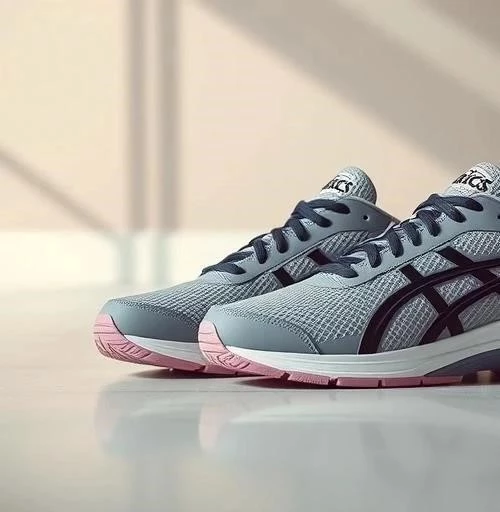
Choosing training shoes is a practical decision for athletes, coaches and fitness professionals. The right pair should support the movements performed most often, fit securely and remain comfortable throughout a session. ASICS makes footwear across running and training categories, but no single model suits every workout. This guide explains how to assess the options and match a shoe to professional training needs.
Start with the demands of the session
“Fitness training” can mean steady treadmill work, circuit classes, strength training, court drills or a combination of activities. These place different demands on footwear. Running involves repeated forward motion and usually benefits from cushioning and a smooth transition through the stride. Lifting and lateral drills require a more stable base and a secure hold around the foot. A shoe designed primarily for long-distance running may feel comfortable during warm-ups yet less controlled during heavy lifts or quick side steps.
Before comparing models, list the main activities, typical session length, surface and weekly training volume. For mixed sessions, decide which activity needs the most support. Professionals who coach several disciplines may need separate pairs rather than expecting one shoe to provide ideal performance in every setting.
Key features to assess
- Fit and lockdown: The heel should feel held without slipping, while the forefoot should allow natural toe movement. Laces should secure the midfoot without creating pressure points.
- Stability: A broad, predictable platform can help during controlled strength exercises. Check how the shoe feels when standing, squatting and changing direction; cushioning alone does not guarantee stability.
- Cushioning: Softer cushioning may be useful for repeated running or high-impact classes. For lifting, excessive softness can make the base feel less direct. Choose according to the session, not a general preference for maximum cushioning.
- Grip and outsole: Consider the gym floor, studio surface or outdoor route. The outsole should provide dependable traction without feeling restrictive during turns. Wear patterns can help show whether the shoe suits the user’s movement.
- Upper and ventilation: A breathable upper can improve comfort during long sessions. Reinforcement around high-wear areas may be valuable for frequent training, while a close fit helps prevent unwanted movement inside the shoe.
- Durability and care: Inspect the outsole, seams and cushioning regularly. High training volume, body weight, surface and technique all affect wear, so replacement timing varies between users.
Choosing an ASICS category
ASICS product names and specifications change over time and differ by market. Check the current official product page for intended use, weight, drop, cushioning and outsole details rather than relying on a model name alone. The brand’s road-running lines, including families such as GEL-KAYANO, GEL-NIMBUS and GEL-CUMULUS, are generally associated with running comfort and support. They can suit treadmill mileage or conditioning runs, but they are not automatically the best choice for heavy barbell work or frequent lateral movement.
ASICS also offers training-oriented models in some collections. These are typically worth considering when workouts involve varied movement, short runs and gym exercises. Compare the platform, upper hold and outsole against the actual exercises in the programme. Availability and design can change by season, so verify the specific version: a familiar name does not guarantee identical construction across generations.
For Olympic lifting, powerlifting or exercises where a firm, stable base is a priority, a dedicated lifting shoe may be more appropriate than a cushioned running shoe. For court-based conditioning, select footwear intended for the relevant court sport. A specialist option can provide more suitable support and traction than a general-purpose trainer.
Professional fitting and testing
Try shoes later in the day or after activity, when feet may be slightly larger. Wear the socks used for training and check both feet, since they may differ in length or width. Leave comfortable space in front of the longest toe, but avoid a loose fit that permits sliding. Walk, jog, perform a body-weight squat and practise a controlled lateral step. These checks cannot replace a full workout, but they can reveal heel lift, pressure or instability.
When possible, test footwear on the surface where it will be used and follow the retailer’s return policy. A professional should not assume that a particular gait, arch type or shoe feature determines the correct choice; comfort, fit and task-specific control matter. For persistent pain or recurring injury, seek advice from a qualified clinician rather than relying on footwear changes alone.
Use, rotation and maintenance
Allow shoes to dry between sessions and remove dirt from the outsole to preserve grip. Avoid excessive heat when drying, as it can affect adhesives and materials. Keep a simple record of purchase date, training hours and visible wear. If cushioning feels uneven, the upper no longer secures the foot, or the outsole has lost traction, reassess the pair. Rotating shoes can be useful for professionals with high weekly training volume, but rotation does not compensate for an unsuitable fit.
Select ASICS footwear by matching its design to the primary activity, then confirm fit, stability, grip and comfort in practice. Running-focused models can serve conditioning sessions, while varied gym work may call for a training-specific design and heavy lifting or court sports may warrant specialist footwear. Review current specifications, test the pair under realistic conditions and replace it when its support or traction has materially declined.
7 Comments. Оставить новый
The article appropriately notes that cushioning preferences should depend on the activities being performed.
The article clearly explains why training needs should guide footwear choices rather than relying on a single model for every activity.
The distinction between running, lifting and lateral movements provides a useful framework for comparing shoes.
The advice to consider session type, surface and training volume makes the recommendations practical.
The overview offers a straightforward starting point for professionals comparing footwear for different training demands.
The discussion of fit and lockdown covers important details that can affect comfort and control during workouts.
The guidance on stability is measured and encourages readers to assess how a shoe feels during specific movements.