
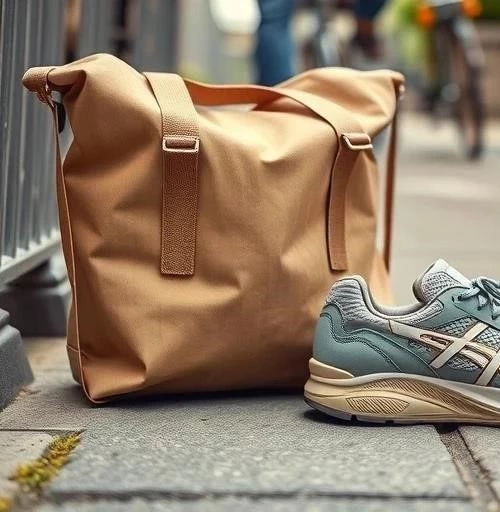
For a courier, sneakers are work equipment, not just a fashion choice. A typical shift can involve hours of walking, quick turns, climbing stairs, standing at building entrances and moving over pavement, tiles, gravel or wet ground. The right pair should keep your feet comfortable, grip reliably and hold up to repeated use. A €100 budget is enough to find a capable option, but it helps to prioritize construction and fit over logos or appearance.
There is no single best sneaker for every courier. A bicycle courier may value a firm, stable sole and a secure fit, while someone delivering on foot may prefer cushioning and a lighter shoe. Weather, route length, the shape of your feet and whether you work indoors or outdoors all matter. Use the checklist below to compare candidates, then try them on with the socks you normally wear for work.
Start with your route and working conditions
Before browsing, think about what your shift actually demands. Estimate how many hours you are on your feet and how often you run, carry a bag, climb stairs or ride a bicycle. Note the surfaces you encounter and the local weather. This simple assessment can prevent you from buying a shoe designed for gym workouts or occasional walks when what you need is a dependable everyday work shoe.
- Mostly walking: Look for a comfortable, well-cushioned midsole and a shape that lets your toes spread naturally. Weight matters when you take thousands of steps.
- Frequent cycling: Choose a secure upper and a sole that feels stable on the pedal. Avoid an overly soft, unstable platform. If you ride in ordinary sneakers, check that the outsole does not feel slippery on the pedals.
- Wet streets: Give traction and water resistance priority. A water-resistant finish can help with splashes, but it is not the same as a waterproof membrane.
- Warm weather or indoor work: Breathable mesh can reduce heat. It is usually less protective from rain and dirt than a denser upper.
- Mixed terrain: A durable rubber outsole with a practical tread pattern is more useful than a smooth, fashion-oriented sole;
If you work in winter conditions, ordinary low-top sneakers may not be adequate, even if they look comfortable. A warmer, water-resistant shoe or boot may be safer. Do not assume a thick-looking upper is waterproof; check the product description and care instructions.
Fit is more important than the label
The best cushioning cannot compensate for a shoe that pinches, slips or rubs. Feet can swell during a long shift, so try shoes later in the day when possible. Wear your usual work socks and test both shoes, since one foot may be slightly larger. Stand up, walk briskly and imitate the movements you make at work.
- Leave a small amount of room in front of the longest toe. Your toes should not hit the front when walking downhill or stopping suddenly.
- Check that the widest part of your foot sits comfortably in the widest part of the shoe. Do not expect a tight upper to stretch enough to fix pressure.
- The heel should feel secure without painful rubbing. A heel that lifts noticeably can cause blisters and make the shoe feel unstable.
- Fasten the laces firmly enough to hold your foot, but not so tightly that they create pressure on the top of it.
- Walk on a hard floor and turn in both directions. Notice any rubbing, numbness, pinching or feeling that your foot rolls over the edge of the sole.
If you have wide feet, search specifically for wide-fit models where available rather than simply buying a much longer size. A shoe that is too long can make your foot slide and can increase the chance of tripping. If you use orthotic inserts, check whether the original insole comes out and try the shoes with your own insert before deciding.
Choose cushioning that suits the job
Cushioning reduces the impact of repeated steps, but “softer” does not automatically mean “better.” An extremely plush sole may feel pleasant in a shop and unstable on uneven pavements or when carrying a loaded delivery bag. A very firm sole may feel tiring over a long walking shift. Aim for a balanced feel: comfortable underfoot, supportive enough to feel steady and not so high or soft that your foot wobbles.
There is no need to buy a specialist running shoe unless it fits your route and work style. Running models can offer excellent cushioning, but some have tall, curved soles or lightweight uppers that are less durable for daily work. A versatile walking or training sneaker may be a more sensible choice. Try the shoe rather than judging cushioning from technical claims alone.
Pay attention to the heel and forefoot as well as the middle of the sole. Couriers repeatedly stop, start and turn; a shoe should feel controlled during those movements. A removable insole is useful if you want to replace it later, but it does not by itself indicate that the shoe is supportive.
Inspect the outsole and upper
The outsole is the part that meets the ground, so it deserves close attention. Look for rubber or another clearly described durable material, with a tread pattern suitable for your routes. Deep, aggressive lugs are not always necessary on city streets, but a nearly smooth outsole may offer little confidence on wet paving. Check reviews for comments about wear and grip, while remembering that experiences differ by surface and conditions.
Flex the shoe gently at the forefoot. It should bend where your foot naturally bends, rather than folding in half or feeling rigid everywhere. Inspect the bond between the upper and sole, the stitching, lace eyelets and areas likely to receive abrasion. Reinforcement around the toe and heel can help a work shoe last longer, especially if you kneel, push off frequently or brush against steps and doorways;
Mesh uppers are light and ventilated, but can let in rain and may be easier to scuff or tear. Synthetic leather or denser textile can be easier to wipe clean and may offer more protection, though it can feel warmer. Choose based on your climate and shift. If water resistance is essential, look for a clearly stated membrane or construction and verify what the manufacturer claims; no sneaker should be assumed waterproof just because its upper looks coated.
Spend the €100 budget wisely
Set a maximum before shopping and compare the full cost, including delivery, return fees and any required accessories. A shoe listed below €100 may exceed the budget once shipping is added. Conversely, last season’s model or a genuine sale may offer a better outsole and more durable upper than a new, heavily advertised design at the same price. Do not pay extra for features you will not use.
A practical way to allocate the budget is to prioritize fit, outsole grip and durable construction first, then cushioning and weather features. Keep a small reserve if you need suitable socks or a replacement insole; If two pairs fit equally well, compare warranty information, return terms and the cost of replacing them. The cheapest pair is not necessarily the best value if it wears out quickly or causes discomfort.
Retailers and marketplaces listed in the supplied search results include Ozon, Lamoda, Street Beat, Wildberries, Sportmaster, Yandex Market, Sneakerbox and the Strobbs official store. Their catalogues and prices can change, and availability may depend on your country. Use filters for size, width, intended use and price, then confirm the exact model, seller, return policy and final price on the product page. Marketplace listings can include different sellers, so check who is supplying the item and read recent, relevant reviews.
Read product descriptions and reviews carefully
Search for the exact model name and version, not just the brand. A familiar model can change its materials or fit between releases. Product pages should ideally describe the upper, outsole, lining, closure and intended use. If the description only says “comfortable” or “sport style,” treat that as marketing rather than proof of suitability for a long courier shift.
Reviews are most useful when they explain the wearer’s use case. Give more weight to comments about sizing, heel slip, sole wear, breathability and grip after several weeks than to brief reactions about appearance. Look for patterns across multiple reviews. One complaint may reflect an individual fit issue; repeated reports of a sole wearing smooth quickly deserve attention. Check the date of reviews and make sure they refer to the same model variant.
Where possible, order from a seller with a clear, lawful return process and try the shoes indoors on a clean surface. Keep the packaging until you are sure they fit. Do not wear a new pair for a full shift immediately: use them for short periods first and increase wear gradually. If discomfort persists, exchange them rather than hoping your feet will adapt to a poor fit.
Common mistakes to avoid
- Choosing by brand or appearance alone. A popular sneaker may be unsuitable for your foot shape, route or weather.
- Buying a size based only on another model. Sizing can vary between brands and even between models from the same brand.
- Assuming “running” means ideal for courier work. Check stability, outsole durability and upper protection.
- Ignoring wet-weather grip. A comfortable shoe can still be risky on smooth, wet paving.
- Buying a very tight pair because it looks supportive. Pressure and rubbing become more noticeable over a long shift.
- Trusting vague waterproof claims. Look for specific construction details and realistic limitations.
- Starting with a full day of work. Break in the shoes gradually and check for hot spots early.
A quick buying checklist
- Write down your typical shift length, surfaces, weather and walking or cycling needs.
- Choose a model within €100 after delivery and return costs are included.
- Confirm the size and fit with your work socks; check both feet, toe room and heel hold.
- Walk, turn and stop in the shoes. Reject any pair that pinches, slips or feels unstable.
- Inspect the tread, sole flexibility, upper material, seams and toe reinforcement.
- Check detailed reviews, seller identity, return terms and the exact model version.
- Break the shoes in gradually and reassess comfort after several short shifts.
Bottom line
For under €100, the best courier sneaker is not necessarily the most expensive model on sale or the one with the softest sole. It is the pair that fits securely, stays comfortable through your real working movements, grips the surfaces you encounter and has construction appropriate to your weather. Start with fit and route-specific needs, inspect the outsole and upper, and use retailer listings as places to compare rather than guarantees of quality. A careful try-on and a sensible return policy are worth more than a product page full of impressive-sounding claims.
5 Comments. Оставить новый
A practical guide that focuses on what matters during a real delivery shift: comfort, grip, fit and the conditions on your route. I especially appreciate the reminder to try shoes on with work socks.
The article is easy to follow and addresses the trade-offs couriers actually face. Its emphasis on fit and route conditions makes the advice feel grounded and useful.
The advice to choose based on how you work, rather than chasing a particular brand, is useful. The distinction between walking and cycling needs is a helpful starting point.
A clear and sensible checklist for comparing everyday work sneakers. I like that it warns readers that water resistance does not necessarily mean waterproof.
This makes the €100 budget feel manageable without promising that one pair will suit everyone. The notes on wet streets and breathable materials are particularly relevant.