
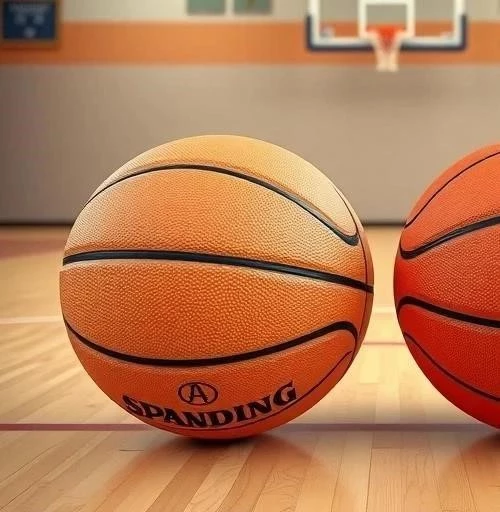
There is no single basketball that is best for every player. The right choice depends on where the ball will be used‚ the player’s age and level‚ and the feel they prefer. A ball that grips well on an indoor court may wear out quickly on asphalt‚ while a durable outdoor model may feel harder or less responsive in a gym. Before comparing brands‚ consider the playing surface‚ official size‚ cover material‚ and budget.
Choose the right size
Basketball sizes are not interchangeable. Size 7 is the standard men’s ball‚ with a circumference of about 29.5 inches (75 cm). Size 6‚ about 28.5 inches (72 cm)‚ is commonly used in women’s competitions and by many younger players. Size 5‚ about 27.5 inches (70 cm)‚ is often suitable for children. League and age-group rules can differ‚ so check the relevant competition guidance before buying. A correctly sized ball is easier to control‚ pass‚ and shoot.
If the ball is for a child‚ choose a size they can handle comfortably rather than buying an adult ball for future use. A ball that is too large or heavy can make basic skills more difficult to practise. For adult recreational play‚ use the size that matches the player’s league or personal preference.
Match the cover to the court
- Indoor: Leather and high-quality composite leather are common choices. They can provide a softer‚ grippy feel on a clean wooden court. Natural leather often needs a break-in period and is generally best kept indoors.
- Outdoor: Rubber and durable composite covers are designed to tolerate rough surfaces. They are usually practical for concrete or asphalt‚ although texture and grip can vary. Abrasive courts gradually wear down any ball.
- Indoor/outdoor: These models offer a compromise for players who use both surfaces. They are convenient‚ but may not match a dedicated indoor ball for feel or a rugged outdoor ball for lifespan.
Do not assume that a higher price means a better fit. A premium indoor ball may be a poor purchase if it will be used mainly outside. For frequent outdoor play‚ durability and an appropriate cover matter more than a soft‚ competition-style feel.
What to check before buying
Whenever possible‚ hold and bounce the ball before choosing it. Look for an even‚ consistent bounce and a surface that feels secure without being overly rough. Check that the channels—the recessed lines between the panels—are clear and comfortable under the fingers. Examine the seams and valve for visible defects. Online‚ compare the stated size‚ intended surface‚ materials‚ warranty‚ and return policy rather than relying on product photographs alone.
Inflation also affects performance. Follow the pressure range printed on the ball or its packaging and use a pump with a suitable needle. An underinflated ball can feel heavy and bounce poorly; an overinflated one may feel unusually hard and rebound too sharply. Check pressure regularly‚ since air can escape gradually during normal use.
Which type suits which player?
- For a school or club player: Choose the size and specification required by the team or league. A dedicated indoor composite or leather model may suit regular gym use.
- For casual outdoor games: A size-appropriate rubber or outdoor composite ball is usually a sensible‚ hard-wearing option.
- For mixed use: Consider an indoor/outdoor ball‚ especially if convenience matters more than specialist performance.
- For a beginner: Prioritise correct sizing‚ comfortable grip‚ and a moderate price. Consistent practice is more important than owning an expensive model.
Bottom line
The best basketball is the one that matches the player and the court. For regular indoor competition‚ select the correct size and a quality indoor cover. For asphalt‚ choose a durable outdoor model. If the ball will travel between surfaces‚ an indoor/outdoor option is a practical compromise. Confirm size and pressure‚ inspect the ball’s feel‚ and follow the manufacturer’s care instructions. These checks are more useful than choosing by brand name alone and help the ball perform consistently for longer.


3 Comments. Оставить новый
The article clearly explains how court surface and ball size affect a suitable choice. Checking league rules before buying is a useful reminder.
The comparison of indoor, outdoor, and all-surface covers is practical. It would also be helpful to include tips on checking a ball’s grip and durability in person.
The guidance on choosing a ball a child can control is clear and relevant. The article makes a useful point that price alone does not determine whether a ball is the right fit.