
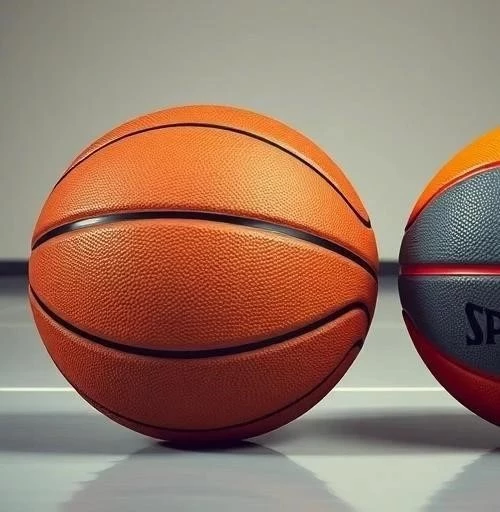
The best basketball is the one suited to where you play, how often you play, and who will use it. There is no single model that is ideal for every player: a ball with excellent grip on an indoor court may wear quickly on rough asphalt. Decide on size, surface, material, and feel before comparing brands or prices.
Choose the right size
Size affects control and shooting, so it should come first. A size 7 ball is the standard choice for adult men’s play. Size 6 is commonly used in women’s basketball and by many younger players; size 5 is suitable for children. Rules and age-group recommendations can vary, so check the requirements of your league. If possible, practise with the size you will use in games.
Match the ball to the court
- Indoor: Composite or genuine leather offers a comfortable touch and reliable grip on a wooden court. Leather often needs a break-in period and is usually the most expensive option. Don’t use a premium indoor ball on concrete: the abrasive surface can damage its cover.
- Outdoor: Rubber or durable composite is generally a better choice for asphalt and concrete. These balls resist wear and are often more affordable, though they may feel firmer or less refined than indoor models.
- Indoor/outdoor: A practical compromise for school, parks, and occasional gym sessions. It is versatile, but may not match a dedicated ball for either surface.
Check feel and construction
Grip matters more than a famous logo. Look for channels that feel comfortable under your fingers and a surface that stays controllable when your hands are slightly damp. Bounce the ball several times: it should rebound evenly, without wobbling. Check the seams, valve, and cover for visible defects. A well-made ball should keep its shape and hold air, but even a good one needs correct inflation; follow the pressure printed near the valve rather than guessing.
So, which one should you buy?
For regular indoor competition, choose a size-appropriate composite or leather ball approved for your league. For outdoor pickup games, prioritize a durable rubber or outdoor composite model. For a beginner or family that plays in different places, a mid-priced indoor/outdoor ball is usually the sensible value. Paying more makes sense if you play frequently and will care for the ball; it is not automatically worthwhile for casual use.
Bottom line: buy for your court and hand size, then choose the best grip and construction within your budget. A properly sized, well-inflated ball that suits the surface will serve you better than an expensive ball used in the wrong conditions.
3 Comments. Оставить новый
This is a well-organized overview that starts with the important choice of ball size and then moves on to playing surface and construction. Its reminder that a versatile ball may be a compromise is helpful for shoppers deciding between one ball for everything and a specialized model. Checking the printed pressure is a concrete, easy-to-follow tip.
The comparison of indoor, outdoor, and indoor/outdoor balls clearly explains the trade-offs in durability, grip, and feel. I also appreciate the advice to test the bounce and inspect the seams, since those checks can reveal problems before purchase. The guidance is useful for both beginners and recreational players.
This guide makes a sensible case for choosing a basketball based on court surface and player needs rather than brand alone. The size recommendations and warning against using an indoor ball on concrete are especially practical. Checking the league rules and the ball’s inflation pressure adds useful detail.