
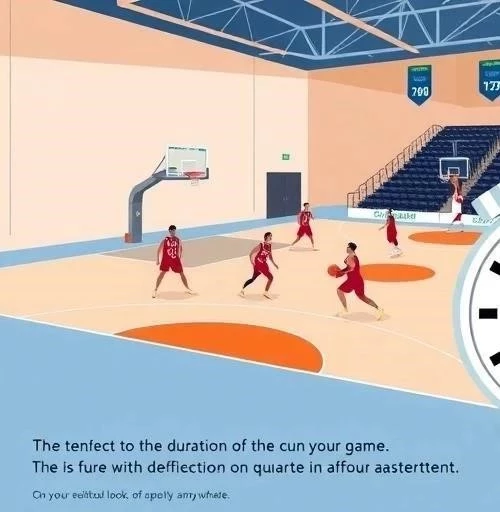
On paper, a FIBA basketball game lasts 40 minutes․ The clock is divided into four quarters of 10 minutes each․ But those 40 minutes are playing time, not a promise that you’ll be back in the car before the hour is up․ The game clock pauses, the drama stretches, and the arena clock keeps marching․
What happens between quarters?
Teams get a 2-minute interval after the first and third quarters․ Halftime, between the second and third, lasts 15 minutes․ Add those scheduled breaks and you already have 59 minutes on the calendar, before accounting for timeouts, fouls, reviews, or the walk to the concession stand․
The clock has a dramatic streak
In FIBA play, the clock stops when the ball becomes dead—for example, after a whistle, during a timeout, or when a shot is made in the final two minutes of the fourth quarter or overtime․ Free throws also interrupt the flow․ So a close finish can turn the final 60 seconds into a small epic: whistle, free throws, timeout, inbound, another whistle․
Each team may take two timeouts in the first half and three in the second half․ No more than two of the second-half timeouts may be used in the final two minutes of the fourth quarter․ Each timeout lasts one minute․ Coaches spend them like punctuation—sometimes to stop a run, sometimes to draw one last play on an invisible court․
And if the score is tied?
A tied game gets a 5-minute overtime․ If the score is still level, another five-minute period follows, and the process repeats until a winner emerges․ Each team receives one timeout in each overtime period․ There is no sudden-death shortcut: the clock must run its course․
So how long should spectators plan for?
Although the regulation clock totals 40 minutes, a FIBA game commonly takes around 1․5 to 2 hours in real time․ A smooth contest may finish sooner; a tight game with frequent stoppages, reviews, fouls, and overtime can last longer․ The exact duration depends on how often play pauses—not on the length of the quarters․
The quick answer: 40 minutes of regulation playing time, plus breaks and stoppages․ Think of the game clock as a measured piece of music; the live event is the whole concert, complete with pauses, crescendos, and the occasional encore․
7 Comments. Оставить новый
The game clock sounds less like a stopwatch and more like a stage manager: it knows when to freeze the scene so the tension can take a bow. This makes the “40-minute game” feel wonderfully different from the evening you actually plan for.
There is something charming about a sport where the clock can stop but the suspense keeps moving. The article makes the pauses feel like part of the performance, not merely interruptions.
The final minute turning into a “small epic” is exactly right. Basketball time seems to stretch like taffy when the score is close—and now I know why my snack break can outlast the clock.
The practical takeaway is gold: forty minutes on the scoreboard does not equal forty minutes on your schedule. I would bring this explanation to every friend who thinks overtime is a rare meteor.
I never thought of timeouts as punctuation, but that image fits: commas to catch a breath, exclamation marks to launch a final play. A handy guide for anyone whose calendar assumes the buzzer means “go home.”
This turns rulebook details into a vivid little portrait of arena life. I can practically hear the whistle, watch the coach sketch a play in the air, and reconsider promising to be home “right after the game.”
A clear reminder that there are two clocks at a game: the one measuring basketball and the one measuring your evening. The overtime explanation is especially useful for fans who like their plans with a little extra suspense.