
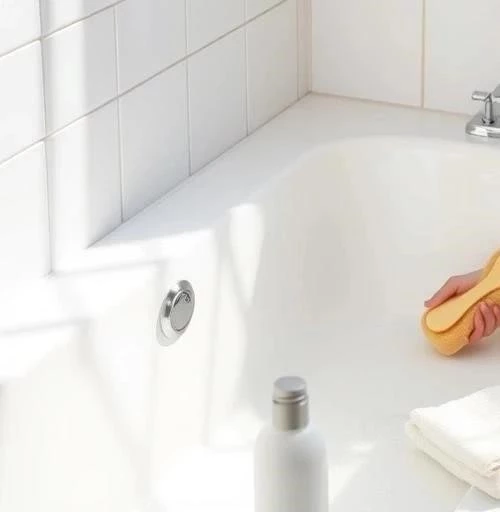
Acrylic bathtubs are smooth‚ lightweight and relatively easy to maintain‚ but their surface can be scratched or dulled by unsuitable cleaners. For routine care‚ the safest choice is usually warm water‚ a soft cloth or sponge‚ and a small amount of mild liquid dish soap. If you choose a commercial bathroom cleaner‚ check that its label specifically says it is suitable for acrylic or plastic bath surfaces‚ and follow the manufacturer’s instructions.
Suitable cleaning products
- Mild dish soap: A few drops in warm water are enough for everyday soap residue and light dirt.
- Non-abrasive liquid bathroom cleaner: Use only a product labelled safe for acrylic‚ and avoid formulas containing gritty particles.
- Cleaner recommended by the tub manufacturer: This is a good option when the bathtub has a special finish or the care instructions specify a particular product.
- Soft cleaning tools: Choose a microfiber cloth‚ soft sponge or non-scratch cloth. Use a separate clean cloth to rinse and dry the surface.
Product names and formulas can vary‚ so the label matters more than the product category. When in doubt‚ test the cleaner on a small‚ inconspicuous area first. Apply it as directed‚ rinse thoroughly‚ and check for changes in shine‚ colour or texture before cleaning the whole tub.
How to clean the bathtub
- Remove bottles‚ bath toys and other items from the tub. Rinse away loose dirt with warm water.
- Mix a small amount of mild dish soap with warm water‚ or prepare an acrylic-safe cleaner according to its label.
- Wipe the surface gently with a soft sponge or cloth. Use light pressure and work over the tub in sections.
- Rinse the entire surface with clean water so that no cleaner or loosened residue remains.
- Dry with a soft towel or microfiber cloth. Drying helps limit water marks and keeps the surface ready for the next use.
For regular upkeep‚ a brief rinse after bathing and a quick wipe with a soft cloth can prevent soap film and dirt from building up. A gentle cleaning once or twice a week may be enough for a tub used regularly‚ though the best schedule depends on use and water quality. Avoid leaving wet bottles‚ metal containers or bath products on the surface for long periods; they can leave marks or trap residue.
Removing common marks
Soap film and everyday grime
Apply warm‚ soapy water and allow it to sit briefly before wiping. Do not let cleaner dry on the acrylic. Rinse well and repeat gently if needed rather than scrubbing harder.
Hard-water deposits
Mineral deposits may need a cleaner designed for bathroom surfaces‚ but not every limescale remover is safe for acrylic; Check the tub and cleaner instructions first. Use only a product explicitly approved for acrylic‚ keep to the stated contact time‚ and rinse thoroughly. Avoid experimenting with concentrated vinegar‚ descaling acids or other home mixtures unless the manufacturer confirms they are suitable.
Dark scuffs or transfer marks
Try a soft cloth with mild soapy water first. If a mark remains‚ use an acrylic-safe cleaner and follow its directions; Do not use a rough pad or scrape the mark with a blade; these approaches can damage the finish even if the mark disappears.
Products and tools to avoid
Acrylic can be damaged by abrasive cleaning and by some strong chemicals. Unless the bathtub manufacturer specifically approves them‚ avoid:
- Scouring powders‚ abrasive pastes and cleaners containing grit;
- Steel wool‚ scouring pads‚ stiff brushes and rough sponges;
- Strong acids‚ concentrated bleach‚ drain cleaner and oven cleaner;
- Solvents such as acetone‚ paint thinner and products intended to remove paint;
- Unlabelled disinfectants or strong bathroom cleaners that do not mention acrylic compatibility.
These products may scratch‚ cloud‚ discolour or weaken the surface. Never mix cleaning products. In particular‚ mixing bleach with acidic cleaners or ammonia-containing products can release dangerous fumes. Keep the room ventilated‚ wear gloves when the product label recommends them‚ and store cleaners away from children and pets.
Important care tips
Follow the care booklet supplied with the bathtub‚ as surface coatings and manufacturer recommendations differ. Use cleaners only for their stated purpose and never exceed the recommended contact time. If a product causes an unusual smell‚ colour change or dull patch‚ rinse it off immediately and stop using it. Do not pour very hot water directly onto a cold surface if the manufacturer warns against sudden temperature changes.
Minor scratches should not be treated with household abrasives or improvised polishing compounds. Some acrylic surfaces can be repaired with a manufacturer-approved kit‚ but the method depends on the depth of the damage and the bathtub’s finish. For deep scratches‚ chips‚ persistent stains or uncertainty about the material‚ consult the manufacturer or a qualified repair professional.
In brief
For most acrylic bathtubs‚ use warm water‚ mild dish soap and a soft cloth. For tougher residue‚ select a non-abrasive cleaner labelled safe for acrylic‚ test it discreetly‚ and rinse it off completely. Avoid scouring tools‚ harsh chemicals and unverified home remedies. Gentle‚ regular cleaning is generally more effective and safer than forceful scrubbing.


7 Comments. Оставить новый
The reminder to follow the bathtub manufacturer’s care instructions is relevant when the surface has a special finish.
This provides clear steps for routine bathtub care, including rinsing and drying the surface after cleaning.
Testing a cleaner in an inconspicuous area before using it on the whole tub is a practical precaution.
The advice to check product labels for acrylic compatibility is useful, since formulations can vary. The suggested gentle cleaning routine is straightforward.
The routine rinse and quick wipe described at the end offer a simple way to reduce soap residue between deeper cleanings.
The article keeps the cleaning method simple and emphasizes soft tools and mild soap for everyday upkeep.
The distinction between non-abrasive cleaners and products with gritty particles is helpful for protecting an acrylic finish.