
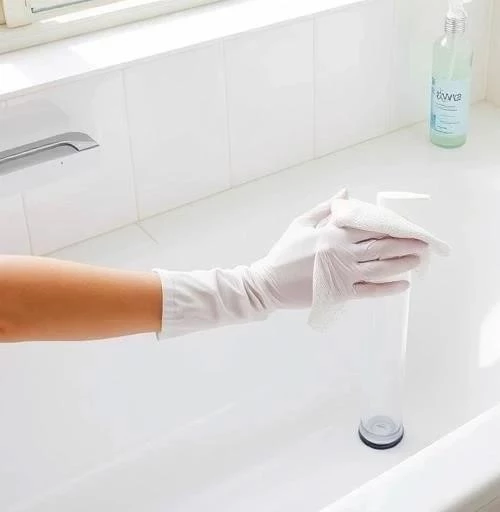
Acrylic is smooth‚ lightweight and easy to maintain‚ but its surface can be scratched or dulled by harsh cleaning. The best approach is regular‚ gentle washing: it removes soap residue before it builds up and avoids the need for aggressive scrubbing. Always check the bathtub manufacturer’s care instructions‚ especially if the surface has been repaired or refinished.
For routine cleaning
- Rinse the tub with lukewarm water to loosen dust‚ soap and everyday grime.
- Apply a small amount of mild liquid soap‚ dishwashing liquid or a cleaner explicitly labelled safe for acrylic. A spray bottle can help spread it evenly.
- Wipe the surface gently with a soft microfiber cloth or non-abrasive sponge. Work across the tub without pressing hard; pay attention to the waterline‚ corners and area around the drain.
- Rinse thoroughly with clean water so no cleaner remains‚ then dry with a soft towel. This helps prevent water spots and residue.
For a tub used daily‚ a quick rinse and wipe after bathing‚ followed by a more thorough wash about once a week‚ is usually more effective than occasional intensive scrubbing.
Dealing with deposits and stains
For soap film or light limescale‚ use a dedicated acrylic-bath cleaner and follow its label‚ including the stated contact time. Rinse well; do not leave a product on the surface longer than directed. For a stubborn mark‚ repeat a gentle treatment rather than increasing pressure or reaching for a scouring pad. Test any unfamiliar cleaner on a small‚ inconspicuous area first. If discoloration persists‚ contact the manufacturer or a bathroom-care professional instead of experimenting with stronger chemicals.
What to avoid
- Scouring powders‚ abrasive creams‚ steel wool‚ stiff brushes and rough pads: they can leave fine scratches that make the finish look dull.
- Solvents and aggressive chemicals‚ including acetone and paint thinners. Avoid bleach or other strong products unless the tub maker specifically approves them.
- Mixing cleaning products‚ or using an untested home remedy such as vinegar‚ acids or baking soda. A method that suits another material may damage acrylic.
Never use a sharp tool to lift stuck-on dirt. Remove loose debris first‚ and use only a soft cloth. If the tub has a special coating or has been restored‚ follow the installer’s instructions; its finish may need different care.
Keep the finish looking good
Wiping away water and soap after use limits residue and reduces cleaning effort. Store bottles and metal accessories carefully so they do not scratch the surface. In short‚ gentle products‚ soft materials and regular rinsing protect the finish better than forceful cleaning—and help the bathtub stay clean and glossy for years;
8 Comments. Оставить новый
This is a useful overview for anyone caring for an acrylic tub. The distinction between routine washing and treating stubborn deposits helps readers avoid reaching for harsh chemicals too quickly. Following a cleaner’s label and contact time is especially important.
This article offers balanced, practical maintenance advice without implying that difficult stains can always be removed with household products. Its emphasis on gentle wiping, thorough rinsing, and checking product labels gives readers a sensible routine to follow.
The article makes a convincing case for regular, gentle cleaning instead of occasional aggressive scrubbing. A quick wipe after bathing can prevent soap film from building up, which should make weekly cleaning easier. The guidance to test unfamiliar products in an inconspicuous spot is helpful too.
I like that the article explains why abrasive pads are a poor choice, rather than simply listing products to avoid. Fine scratches can make a tub look dull, so the recommendation to repeat a gentle treatment is a reasonable alternative for persistent marks.
The step-by-step routine is clear and easy to follow, from rinsing the surface to drying it with a soft towel. The advice about drying is a useful detail because it can help reduce water spots. It would also be wise to keep the tub’s care instructions accessible.
The cautions about solvents and strong cleaners are important, since a product that works elsewhere in the bathroom may not be safe for acrylic. Referring readers to the manufacturer when discoloration persists is more responsible than suggesting increasingly harsh treatments.
The advice to use a soft cloth and mild cleaner is practical because acrylic can lose its shine when scrubbed with abrasive materials. I also appreciate the reminder to rinse thoroughly, since leftover cleaner can leave residue. Checking the manufacturer’s instructions is a sensible first step.
The article is informative and careful about protecting the tub’s finish. I especially value the recommendation to contact a professional if discoloration remains, since experimenting with stronger chemicals could cause permanent damage. The final warning appears cut off, so completing that sentence would make the guidance clearer.