
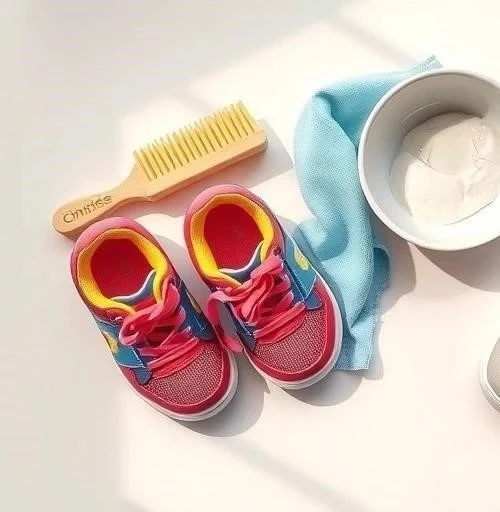
Children’s tennis shoes are exposed to court dust, grit, sweat and repeated movement. Regular, gentle care can help keep a pair of Mizuno shoes clean and comfortable, while reducing avoidable wear. The right method depends on the shoe’s materials and construction, so check the care label or product information first; If a label gives specific instructions, follow those rather than relying on general advice.
Check the shoes before cleaning
After play, look over both shoes in good light. Check the uppers, soles, laces and seams for dirt, trapped stones, loose threads or damage. Remove small stones from the tread with fingers or a blunt tool, taking care not to cut or puncture the rubber. A quick inspection can also reveal a problem that needs attention before the next practice.
Take out the insoles if they are removable, and loosen or remove the laces. This makes it easier to reach dusty areas and allows the separate parts to dry more thoroughly. Do not pull out a fixed insole or force any component that does not come away easily. If a shoe is damaged, ask an adult to assess it before a child wears it again.
Clean away dirt gently
For routine cleaning, start with a soft, dry brush or cloth to lift loose dust from the upper and sole. Brush gently, especially around mesh, stitching and printed details. For marks that remain, use a clean cloth or soft brush dampened with lukewarm water and a small amount of mild soap. Test the solution on a discreet area first. Work in light strokes rather than scrubbing hard, which can roughen fabric or affect its finish.
Wipe the cleaned area with another cloth dampened with plain water to remove soap residue. Avoid soaking the shoes: excess water can take a long time to dry and may affect adhesives or the shape of some materials. Do not use bleach, strong household cleaners, solvents, abrasive powders or stain removers unless the product instructions specifically permit them. Harsh products may discolour the upper or weaken its components.
Pay attention to the outsole, where court dust and small pieces of debris can collect. Use a damp cloth or a soft brush to clean the tread, then wipe it dry. Do not use sharp objects, metal brushes or aggressive scraping. A clean outsole helps the tread remain visible for inspection, but cleaning cannot restore grip if the rubber is worn smooth or damaged.
Wash laces and insoles separately
If the laces are washable, clean them by hand in lukewarm water with mild soap, rinse them well and press out moisture with a towel. Avoid twisting them tightly, since this can distort their shape. Let them air-dry fully before threading them back through the shoes. Replace laces that are frayed, stretched or difficult to tie securely.
Removable insoles can be wiped with a lightly damp cloth and mild soap if their care instructions allow it. Do not saturate them or place them on a heater. Allow them to dry completely before putting them back. If an insole remains damp or develops a persistent odour, an adult should check whether it needs further cleaning or replacement. Children should not wear shoes with wet insoles, as dampness can cause discomfort.
Dry shoes slowly and completely
After cleaning or a wet practice, open the shoes wide and let them dry at room temperature in a well-ventilated place. Remove the insoles, loosen the laces and blot excess moisture with a clean towel. To help the shoes keep their shape and absorb moisture, loosely fill them with plain, unprinted paper and replace it when it becomes damp. Do not pack the shoes tightly, and remove the paper once the inside is dry.
Keep the shoes away from radiators, fireplaces, hair dryers, tumble dryers and direct, intense sunlight. High heat can deform materials or affect bonding. Drying may take longer when the shoes are heavily wet, so check inside the toe and around the insole before storing them. Never put them away while damp; trapped moisture can contribute to unpleasant smells and material deterioration.
Manage odour and everyday wear
Odour is often reduced by letting shoes air out after every session. Take out removable insoles, loosen the laces and leave the shoes in a dry, ventilated spot. A child should change out of court shoes after play and wear clean socks for each practice. Avoid spraying strong fragrance inside the shoes: it may mask an odour without addressing moisture and could irritate sensitive skin. If odour persists, wash the removable parts only as their instructions allow and make sure they dry fully.
Use tennis shoes for tennis and suitable court surfaces rather than as everyday footwear. Wearing them outdoors can bring in mud, grit and moisture, while other surfaces may wear the tread differently. Before practice, check that the laces are intact and can be tied securely, the shoes fit comfortably, and the soles show no obvious damage. A child’s feet grow, so check fit regularly; a shoe that is too small or too loose may affect comfort and movement.
Storage and care routine
Store clean, dry shoes in a cool, dry place with room for air to circulate. Do not leave them in a damp sports bag, a closed plastic bag or a hot car. If a bag is used for transport, take the shoes out when the child gets home and let them air before storing them. Keeping shoes separate from wet clothes and equipment also helps prevent lingering moisture and odour.
A simple routine is usually enough: brush off loose dirt after play, air the shoes, and clean visible marks when needed. A full wash is not automatically necessary after every practice, and repeated soaking or vigorous scrubbing may cause unnecessary wear. For an unfamiliar stain or a material that is not clearly identified, consult the product care information or contact Mizuno customer support rather than experimenting with a strong cleaner.
When to replace a pair
Cleaning improves appearance but cannot repair worn-out cushioning, a detached sole, deep cracks or damaged support. An adult should inspect the shoes periodically, especially if a child uses them often. Consider replacement if the tread is substantially worn, the upper is torn, the sole is separating, or the child reports persistent discomfort. Continued use of damaged footwear may be unsuitable for play. Fit and condition matter more than how clean the shoes look.
Care should be practical and age-appropriate. A child can help remove loose dirt or loosen the laces, while an adult handles cleaning products, checks the materials and inspects for damage. Gentle cleaning, complete air-drying, suitable storage and regular fit checks can help Mizuno tennis shoes remain ready for play without exposing them to unnecessary heat, chemicals or rough treatment.
6 Comments. Оставить новый
The advice is clear and sensible, particularly the suggestions for removing loose dirt and cleaning removable parts separately.
A helpful reminder that shoe materials can vary and that care labels should take priority over general cleaning tips.
The article explains a gentle cleaning approach without making the process seem complicated. The cautions about harsh cleaners are useful.
This is a practical overview of cleaning children’s tennis shoes. I appreciate the emphasis on gentle tools and checking for damage before the next practice.
Useful, straightforward guidance for keeping tennis shoes clean and checking their condition. The drying and material-care points are worth noting.
The step-by-step guidance makes routine shoe care easy to follow. The reminders to check product instructions and avoid soaking the shoes are especially useful.