
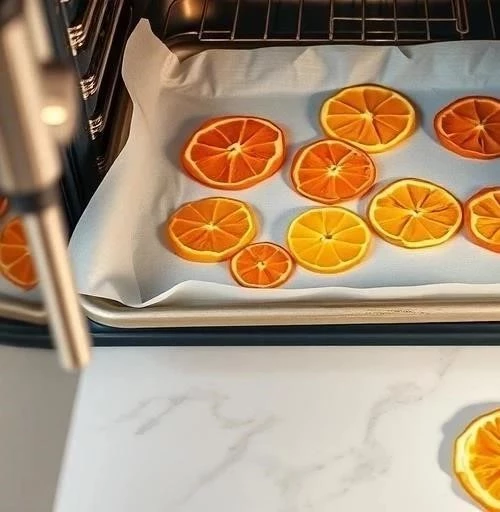
Dried orange slices make a fragrant snack and can be added to tea‚ baked goods‚ granola‚ or sauces. For the best flavor and texture‚ choose firm‚ ripe fruit and dry it slowly at a low temperature. The finished slices should be dry throughout‚ not browned or sticky.
Choose and prepare the fruit
Use fresh oranges with unbroken skin. If you plan to eat the peel‚ wash the fruit thoroughly under running water and scrub it gently; dry with a clean towel. Organic fruit is an option‚ but it should also be washed. Remove any stickers and trim away damaged spots.
Cut the oranges crosswise into even rounds‚ about 3–5 mm (⅛–¼ inch) thick. A sharp knife helps make uniform slices‚ which dry at a similar rate. Thicker pieces take longer and may remain moist in the center. Blot both sides with paper towels to remove excess juice. Remove seeds if desired; they can taste bitter.
Drying in an oven
- Heat the oven to 70–80°C (160–175°F)‚ using the lowest suitable setting. A higher temperature can cook or scorch the fruit instead of drying it.
- Line a baking tray with parchment paper or use a clean oven-safe rack. Arrange the slices in one layer‚ leaving space between them.
- Dry for about 3–6 hours. Turn the slices every 30–60 minutes and check them regularly. Timing varies with slice thickness‚ oven performance‚ and how juicy the fruit is.
- If moisture collects in the oven‚ improve air circulation according to the appliance instructions. Only leave the door slightly open if the oven manual permits it and it can be done safely.
Remove slices as they become dry and leathery‚ since thinner pieces may finish first. They should not look wet in the middle. Allow them to cool fully before judging their texture: warm fruit can feel softer than it will after cooling.
Using a dehydrator
Arrange the rounds in a single layer on the trays‚ with gaps for air to circulate. Set the dehydrator to 55–60°C (130–140°F). Dry for roughly 8–14 hours‚ checking periodically and rotating trays if the appliance requires it. The exact time depends on the machine and the fruit. Follow the manufacturer’s guidance‚ and continue drying any slices that remain moist.
Cooling and storage
Let the slices cool completely on a clean rack. For storage‚ place them in a dry‚ airtight container away from heat and direct sunlight. Check the container during the first few days for condensation. If moisture appears‚ dry the slices longer before storing them again. Discard any fruit that develops mold‚ an unusual smell‚ or a damp‚ sticky texture.
Helpful tips
- Keep slices similar in thickness so they finish at about the same time.
- Do not overlap pieces; trapped moisture slows drying.
- Avoid drying edible fruit on a radiator. Temperature‚ cleanliness‚ and airflow are difficult to control.
- Use fully dried slices for longer storage; softer pieces are best used soon and kept refrigerated.
Drying concentrates the orange’s sweet‚ tangy flavor. Start checking early‚ then use the fruit’s texture rather than the clock alone to decide when it is ready.

3 Comments. Оставить новый
The preparation advice covers useful details, including washing the peel, cutting even rounds, and removing excess juice. The temperature and timing ranges are presented in a straightforward way.
The article clearly compares oven and dehydrator methods and explains how slice thickness can affect drying time. The practical checks for doneness make the guidance easy to follow.
The article offers a clear overview of drying orange slices and notes relevant safety considerations. Its reminders to check the fruit regularly and let it cool before assessing texture are helpful.