A good basketball grip gives you control without making your hands tense․ It helps you dribble, pass, catch and shoot with confidence․ The basic principle is simple: use your fingertips and finger pads to guide the ball, rather than pressing your palms flat against it; Your hands should be relaxed but ready to respond․ The exact position changes with the skill you are performing, so learn a comfortable general hold and then adjust it for each action․
The Basic Grip
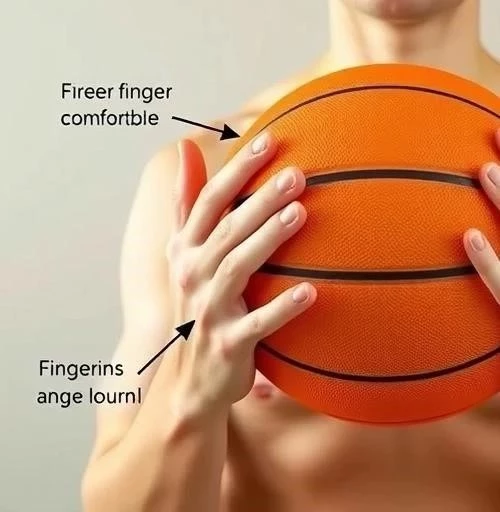
Spread your fingers naturally around the ball, with space between them․ Avoid squeezing them together or stretching them so far that your hands feel strained․ Place the finger pads on the ball and let your palms make light contact, if they touch at all․ Many players can see a small gap between the middle of each palm and the ball․ Hand size varies, however, so do not force a grip that feels unstable simply to create a gap․
Hold the ball around waist or chest height, close enough to your body to protect it․ Keep your elbows comfortably bent and your shoulders relaxed․ The ball should feel secure, not trapped in a rigid grip․ You need to be able to move it quickly into a pass, a dribble or a shooting position․ If your hands are tense, your movements are likely to become slower and less accurate․
Holding the Ball for a Shot
For a set shot or jump shot, place your shooting hand behind and slightly beneath the ball․ Your fingers point generally toward the basket, and your wrist is relaxed․ The ball rests on the pads of your fingers rather than deep in your palm․ Put your other hand on the side of the ball as a guide․ It supports the ball before the shot, but it should not push it sideways as you release․
Bring the ball into your shooting pocket, usually near the chest or shooting shoulder, while keeping it in line with your shooting side․ Your elbow should sit comfortably under the ball, not forced sharply inward or outward․ As you extend your legs and shooting arm, release from your fingertips and finish with a relaxed wrist․ The guide hand comes away without adding force․ A balanced grip helps create a smooth release, but accuracy also depends on stance, aim and practice․
Do not grip the ball as tightly as possible․ Excessive tension can limit wrist movement and make the release feel stiff․ Instead, hold it firmly enough to control it while keeping your fingers supple․ Try short shots close to the basket first․ Notice whether the ball rolls off your fingers smoothly and whether your guide hand stays quiet․
Holding and Protecting the Ball
When you have possession and are not dribbling, keep the ball with two hands when practical․ Spread your fingers on opposite sides and cradle it securely against your body․ In traffic, position your body between the defender and the ball․ Keep your elbows bent and the ball close, but do not swing your arms or use your elbows to strike an opponent․ Protecting the ball means choosing a safe position, not pushing or holding another player․
When catching a pass, show your hands as a target and watch the ball into them․ Reach toward the pass with relaxed fingers, then soften your arms as the ball arrives․ Let your elbows bend to absorb its force․ A stiff, flat-handed catch can make the ball bounce away․ Once you have control, bring it close to your body and decide quickly whether to pass, shoot or dribble․
Grip During a Dribble
You do not hold or carry the ball continuously while dribbling․ Push it toward the floor with your fingertips and finger pads, using your wrist and forearm to control the action․ Do not slap it with a flat palm․ Keep the bounce controlled and near your body, and use a lower dribble when a defender is close․ Your hand follows the ball as it rises, but avoid placing your palm beneath it or pausing with the ball in your hand․
Keep your head up so you can see teammates, defenders and open space․ You can feel the ball with your fingers without staring at it․ Practise with both hands: use the right hand to move comfortably to the right and the left hand to move comfortably to the left, then work on changing direction․ A free arm may help shield space, but keep it bent and do not push the defender․
Simple Practice Routine
- Finger taps: Move the ball lightly from fingertip to fingertip at chest height for 20–30 seconds․ Keep your hands relaxed․
- Grip and release: Hold the ball securely with both hands, then relax and reset your fingers․ Repeat without squeezing hard․
- Stationary dribbles: Practise low and waist-high bounces with each hand․ Focus on fingertip control and keep your eyes forward․
- Catch and set: Toss the ball a short distance, catch it with soft hands, and move smoothly into your shooting grip․
- Close-range shots: Take easy shots near the basket, checking that the guide hand does not push and the ball leaves your fingertips․
Use short, regular sessions rather than practising through pain․ Gentle finger and wrist mobility can help you feel comfortable, but avoid forcing stretches or relying on painful finger-strength exercises․ Stop if you feel sharp pain, numbness or unusual swelling․ Hand size and strength differ, so progress at your own pace․ The aim is reliable control, not an especially tight grip․
Common Mistakes
- Palming the ball: Flattening the hand against it reduces fingertip control․ Reposition your fingers and relax your palm․
- Squeezing too hard: Tension can interfere with passing and shooting․ Use a secure, comfortable hold instead․
- Looking down while dribbling: Practise slowly until you can sense the bounce and keep your eyes up․
- Using only one hand: Develop both hands so you can move and protect the ball in either direction․
There is no single grip that suits every hand or situation․ Start with spread, relaxed fingers and fingertip control, then adjust your hold to the task․ Practise catching, dribbling and shooting with attention to comfort and control․ With repetition, handling the ball becomes natural, allowing you to focus more on the game around you․