

A hallway can be a beautiful little instrument: doors click, footsteps answer, and a dropped key seems to announce itself to the whole home. Porcelain stoneware is durable and elegant, but covering every surface with it may turn that instrument into a drum. The aim is not to banish tile; it is to balance its hard, reflective face with materials that soften sound.
The polished-stone echo
The first mistake is treating acoustics as a flooring problem alone. Large-format tile, a glossy finish, bare walls and a high ceiling create a chain of reflections. That lingering bounce is reverberation—the familiar “echo in the corridor.” A matte surface may reduce glare, but it does little for sound by itself. Likewise, a textured tile can change how light plays across the floor without meaningfully absorbing noise.
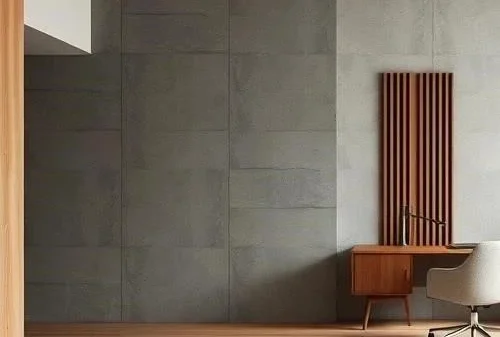
Use porcelain where it earns its place: at the entrance, beneath wet shoes, and along other high-traffic zones. Then introduce absorbers at ear height: upholstered or felt acoustic panels, decorative wall panels, a runner with a dense pad, or carefully selected textiles. These sound-absorbing materials interrupt reflections; they do not make the hallway soundproof. For real floor noise control, consider an acoustic underlay compatible with the tile system, and have the installer confirm that it will not compromise stability.
Neoclassicism needs rhythm, not a showroom
Another common error is covering every wall in shiny stone to make the interior feel grand. In a neoclassical scheme, grandeur comes from proportion and rhythm. Frame a stone floor with restrained mouldings, use a painted wall or cork section for warmth, and repeat a finish in a measured, symmetrical way. A runner can soften footsteps while echoing the color palette; acoustic panels can sit within moulding frames, so practical treatment reads as intentional decoration.
Tile selection matters, too. A glossy finish may be slippery when wet, while a very rough surface can trap grit and complicate cleaning. Check slip resistance, wear rating, format and the intended use before buying. Avoid choosing a large tile only because it looks luxurious: awkward cuts in a narrow corridor can disrupt symmetry. A skilled installer will plan the layout, prepare a stable base and grout joints evenly. Poor installation can create hollow spots, cracks and an expensive redo.
A quieter welcome
Think in layers: a resilient, easy-clean floor; selective stone rather than a hard shell; soft furnishings that can be maintained; and wall treatments that absorb sound without overwhelming the architecture. Test samples in the actual light, listen to footsteps before and after furnishing, and address door gaps if noise travels between rooms. The best hallway does not sound like a recording studio. It simply greets you without throwing every sound back at you.
Search phrases: керамогранит в прихожей, отделка прихожей, акустика помещения, звукоизоляция прихожей, звукопоглощающие материалы, акустический комфорт, эхо в коридоре, реверберация, шумопоглощение, акустические панели, настенные панели, текстиль в интерьере, ковровая дорожка, пробковое покрытие, матовая поверхность, фактура керамогранита, крупноформатная плитка, глянцевый керамогранит, скользкое покрытие, выбор напольной плитки, укладка керамогранита, затирка швов, звукоизоляционная подложка, сочетание материалов, неоклассический интерьер, стиль неоклассика, дизайн прихожей, интерьер коридора, цветовая гамма, симметрия в интерьере, лепнина, молдинги, декоративные панели, ошибки в отделке, ошибки при выборе плитки, практичность покрытия, износостойкость, шумоизоляция пола, акустика интерьера, отделка стен прихожей.




5 Comments. Оставить новый
The best design advice here is refreshingly unglamorous: don’t ask one material to solve every problem. Porcelain handles muddy boots; a runner and wall treatment soften the room’s voice. That division of labor makes the guidance feel grounded, while the neoclassical framing keeps it from becoming a purely technical checklist.
A polished floor can look like a still lake and sound like a tiny concert hall. I like how this piece separates visual texture from acoustic performance—an easy distinction to miss when choosing finishes. The suggestion to make acoustic panels part of the moulding design is a particularly clever meeting of craft and comfort.
This piece makes acoustics feel like part of interior design rather than a repair project after the echo gets unbearable. Its strongest image is grandeur built through rhythm, not endless glossy stone. I’d happily see the same approach applied to kitchens or stairwells—places where hard surfaces and daily life often have a loud conversation.
This article gives the hallway an unexpected role: not just a passage, but an instrument that needs tuning. The distinction between sound absorption and soundproofing is especially useful, and the advice to let tile do the dirty work while softer materials handle the acoustics feels both practical and elegant.
I enjoyed the idea that a hallway has a “chain of reflections.” It turns a familiar nuisance into something readers can picture and diagnose: floor, walls, ceiling, repeat. The reminder that matte or textured tile is not automatically sound-absorbing is valuable, and the caution about choosing a compatible underlay is responsibly specific.