
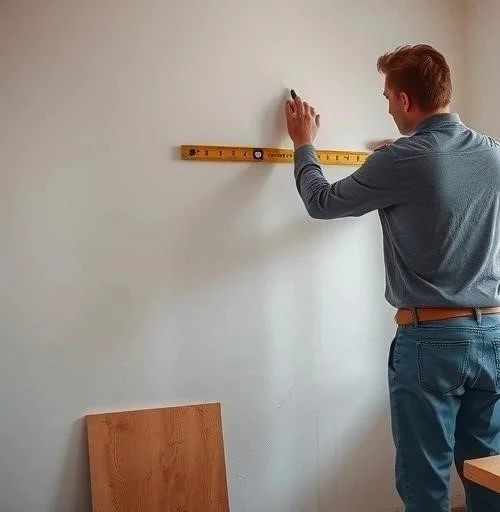
Uneven kitchen walls are not always a simple cosmetic problem. House settlement and gradual settlement processes can change the shape of a room, loosen finishes and create wall cracks. Before choosing a finish, identify whether the cause is surface wear or continuing structural movement. This distinction is essential when planning kitchen renovation.
Assess the walls before work begins
Check the wall deviations with a long level, straightedge or laser. Record the location and width of cracks, and look for changes over time. A new-build settlement period may bring minor movement, while widening cracks, bulges or doors that no longer close properly can indicate a more serious issue. Ask a qualified building professional to assess significant or growing damage before covering it.
Consider the building type. A wooden house may continue to move as its timber dries and responds to seasonal humidity. Brick walls are generally more stable, but they can still be affected by foundation movement or changes to the structure. Do not assume that one repair method suits every building.
Choose a system that can tolerate movement
Wall preparation starts with removing loose paint, wallpaper and unsound plaster. Clean the surface, repair stable defects and apply wall primer suitable for the substrate. If movement is expected, avoid a rigid finish that could crack again. Elastic materials and compatible flexible compounds may accommodate slight movement, but they cannot correct a structural fault.
For plastering walls, set plastering beacons to control the plane and check that the chosen plaster is suitable for the room and wall material. Where the substrate needs reinforcement, embed reinforcing mesh in the specified layer; do not simply attach it over a crack and expect it to stop active movement. Expansion joints should be retained or installed where the design requires them, rather than bridged with plaster.
Drywall can be a practical option for pronounced unevenness, provided the frame is secure and designed for the building’s movement. Leave appropriate perimeter gaps and follow the system manufacturer’s instructions. After the base layer has cured, apply putty in thin coats, sand it evenly and prime again before finishing.
Account for kitchen conditions
Room humidity, cooking steam and temperature changes affect drying and coating performance. Provide reliable kitchen ventilation, use materials rated for the conditions, and allow each layer to dry fully. Rushing the process can lead to poor adhesion, stains or renewed cracking. Keep the room within the temperature and humidity limits listed for the products.
Plan the work and monitor results
The wall-leveling technology should match the cause and scale of the unevenness: a thin repair may suit minor defects, while deep deviations can require plaster or a framed lining. Compare building materials by compatibility, not price alone. The repair timeline depends on the area, drying conditions and whether settlement continues. Document existing cracks, inspect them during the work, and postpone delicate finishing if movement remains active. Sound assessment, careful preparation and flexible detailing make the finish more durable.

2 Comments. Оставить новый
The discussion of flexible finishes, plastering and drywall gives readers a helpful overview of possible approaches. Emphasizing that surface repairs cannot resolve structural faults is an important point.
The article clearly distinguishes cosmetic unevenness from signs of ongoing structural movement. Its recommendation to monitor cracks and seek a professional assessment for worsening damage is especially useful.