
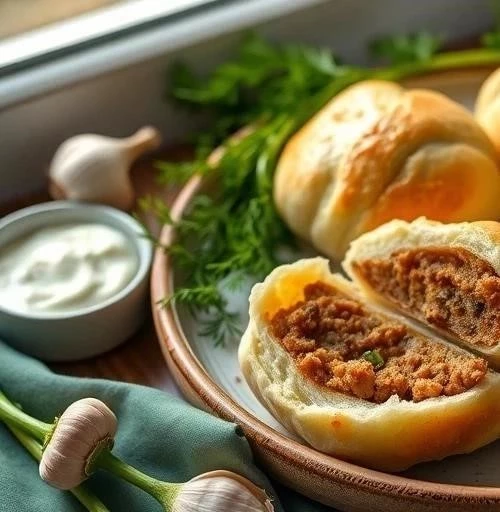
Choose the Meat Filling: A Balanced Mix Makes the Best Pampushki
Beef-pork mix stays juicier than chicken; onion, garlic, herbs, salt, and pepper deepen flavors.
Compare ground beef, pork, and chicken; combine the meat with onion, garlic, herbs, spices, salt, and pepper for a flavorful, juicy filling.
For a flavorful meat filling, choose the blend for the result you want: beef gives a robust taste, pork adds fat and tenderness, while chicken is milder and leaner. Combining beef and pork is often the soundest choice because fat keeps each bite juicy without masking the meat. Finely chopped onion and garlic add sweetness and depth; herbs and balanced spices bring aroma. Season with salt and pepper, then mix gently, since overworking can make the filling dense. Favor pork to keep the filling juicy and tender.
Prepare the yeast dough with flour, milk, water, eggs, and vegetable oil; these ingredients create soft buns that hold the filling without falling apart.
Use flour, milk, water, eggs, and vegetable oil in the yeast dough because each ingredient serves a distinct purpose. Flour builds structure; milk adds tenderness and a gentle richness, while water keeps the crumb light. Eggs strengthen the dough and help it hold its shape, and oil improves softness without making it greasy. Add liquid gradually, since flour absorbs moisture differently, and knead until the dough feels smooth and elastic. Balance counts: dry dough cracks, while excess liquid weakens structure.
Assemble the meat-filled pampushki and bake them in the oven, rather than frying them, for a lighter form of homemade baking.
Place a modest spoonful of prepared meat filling in each dough portion, leaving a clean rim so the seam can seal securely. Bring the edges together, pinch firmly, and set every bun seam-side down; this prevents leaks and keeps the shape neat. Arrange them with space between on a lined tray, then bake rather than fry. Oven baking uses less added fat, so the result feels lighter while the enclosed filling stays protected. Brush tops with oil for a golden finish and avoid overfilling, which can split the seams.
Follow a reliable pampushki recipe and specify the cooking time and baking temperature to ensure the buns cook through while keeping the filling juicy.
Follow a tested recipe: bake at 190°C (375°F) for 20–25 minutes, checking early because oven performance varies. The buns are ready when evenly golden and the center of the filling reaches 74°C (165°F); a thermometer is more reliable than color alone. Rest them for five minutes before serving, since carryover heat finishes cooking gently and helps retain juices. If the tops brown too quickly, cover loosely with foil. Use a timer and check the center; this beats judging color alone and confirms safe doneness.



9 Comments. Оставить новый
The dough section is clear about the role of each ingredient, which makes the recipe easier to understand rather than simply follow. The advice to add liquid gradually is especially sensible because flour can absorb moisture differently.
The ingredient comparisons are thoughtful and practical. I especially like that chicken is presented as a milder, leaner alternative rather than dismissed; that makes the advice adaptable to different preferences.
This is a helpful guide for readers who may be new to yeast dough. Describing the desired dough as smooth and elastic gives a more reliable cue than depending on kneading time alone.
The article brings together filling, dough, shaping, and baking in a logical sequence. Its practical details make the process feel manageable, and the focus on sealing the buns securely is particularly valuable for a filled bake.
The explanation of how beef, pork, and chicken affect the filling is useful because it connects ingredient choice to the finished texture. The suggestion to combine beef and pork gives readers a practical starting point, while still leaving room to adjust the blend to their taste.
Choosing oven baking over frying is a useful option for anyone seeking a lighter result. The article explains the reason for that choice without implying that the baked version has to sacrifice flavor or texture.
The article balances flavor advice with practical handling tips. Leaving a clean edge around the filling and placing the buns seam-side down are straightforward steps that should help prevent leaks during baking.
The emphasis on balance is persuasive: too little moisture can make dough crack, while too much can weaken it. Those explanations help readers understand how to correct the texture instead of guessing.
I appreciate the reminder not to overwork the meat. That small technique detail can make a real difference to tenderness, and it helps explain why a filling can turn dense even when the ingredients themselves are well chosen.