
Acrylic paint begins as a friendly splash of color and ends as a stubborn plastic-like film. While wet, it is water-based and usually easy to lift. Once dry, its binder hardens, so removal becomes a question of matching the method to the surface—not attacking everything with the strongest solvent in the cupboard. Start gently, test in a hidden spot, and work from the outside of a stain toward its center.
First, identify the surface
Paint on a washable shirt, a wooden table, a wall, a carpet, and skin are five different problems. Check the care label or finish before you begin. If the item is valuable, antique, delicate, or covered in an unknown coating, pause and ask a conservator or professional cleaner. A successful paint removal should leave the object looking like itself.
Wet paint: act before it becomes a film
- On clothing: Lift off excess paint with a spoon or dull knife; do not rub it deeper into the fibers. Rinse from the back of the fabric with cool running water. Work a little liquid laundry detergent into the mark, wait several minutes, then rinse. Wash according to the care label, but check the stain before drying. Heat can set what remains.
- On hard, washable surfaces: Blot or scrape away the excess, then wipe with warm water and a small amount of dish soap. Use a soft cloth or sponge. Rinse and dry so soap does not leave its own mark.
- On skin: Wash with warm water and soap, then gently massage with a little cooking oil or moisturizer if needed. Rinse. Never use paint thinner, acetone, or household solvents on skin.
- On carpet or upholstery: Blot—never scrub—with a clean cloth. Dab with cool water and a small amount of mild detergent, testing first in an inconspicuous place. Keep switching to a clean part of the cloth as color transfers. Avoid soaking the backing.
Dried paint: soften, lift, repeat
Dry acrylic may resist water, but patience often beats force. Remove any loose flakes with a fingernail, plastic scraper, or the edge of an old card. Hold the tool nearly flat to avoid gouging the surface. Then try the least aggressive option below, testing it in a hidden area and allowing the test patch to dry before judging the result.
- Washable clothing: Soak the spot in cool water, then gently work in laundry detergent. For a persistent mark, a fabric-safe stain remover may help; follow its label and the garment’s care instructions. Some people use rubbing alcohol on durable fabrics, but it can affect dyes and finishes. Test first, ventilate the area, and blot rather than pour. Do not mix cleaning products.
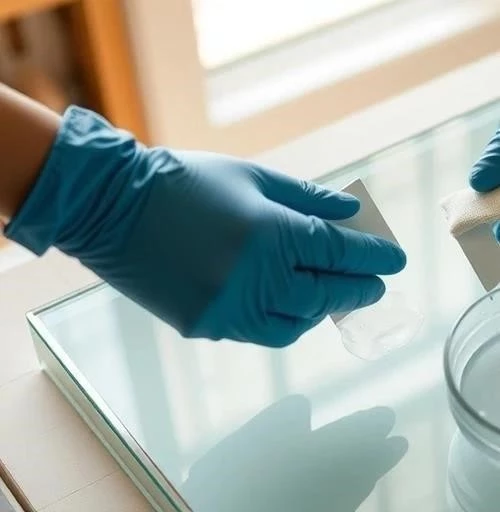
- Glass or glazed tile: Wet the paint with soapy water and let it soften. Carefully use a suitable scraper at a shallow angle, keeping the surface lubricated. A razor can scratch some glass coatings and is unsafe in unsteady hands, so use a plastic scraper if in doubt. Wipe away residue and rinse.
- Sealed wood, laminate, or painted walls: Try a damp cloth with mild soap first. If needed, soften the spot with a damp cloth held against it, then lift with a plastic scraper. Stop if the finish turns dull, sticky, or colored. Strong solvents can remove the very coating you are trying to preserve.
- Carpet and upholstery: Gently pick away brittle flakes, then dab with a fabric-safe cleaner after a hidden-area test. Work slowly, using little liquid and clean cloth sections. If paint has dried deep in the pile, professional upholstery cleaning may be safer than aggressive scrubbing.
When a stronger remover is considered
Commercial paint removers are not interchangeable. Read the label to confirm that the product is intended for acrylic paint and safe for the specific material. Follow all directions for gloves, ventilation, dwell time, and cleanup. Keep children and pets away, and never combine a remover with bleach, ammonia, or another cleaner. Solvents can damage plastics, varnish, dyes, and skin; a hidden test is essential. If the surface is precious or the coating is unknown, leave the experiment to a professional.
What not to do
- Do not scrub a fresh stain: friction can spread pigment and drive it into fabric or carpet.
- Do not put stained clothes in a dryer until the mark is gone; heat may make the remaining stain much harder to remove.
- Do not start with boiling water, metal tools, or harsh solvent. More force does not mean more control.
- Do not pour leftover paint or chemical remover down a drain. Follow local disposal guidance and the product label.
A quick decision guide
Still wet? Blot or lift excess, rinse or wipe with water, then use mild soap. Already dry? Remove loose flakes, soften gently, and scrape with a nonmetal tool where appropriate. Delicate, dyed, finished, or valuable? Test first—or stop and call a specialist. The right answer is sometimes not a stronger cleaner but a smaller, more careful step.
The final check
After cleaning, rinse away any soap or product residue and let the surface dry naturally. Inspect it in good light; damp fabric can disguise a remaining mark. Repeat a gentle treatment if the material allows, rather than escalating blindly. Acrylic is a little color that learned to stay put—but with quick action, a suitable method, and a light touch, it does not always get the last word.


7 Comments. Оставить новый
The article has the calm rhythm of someone who has actually faced a paint spill and learned not to panic. Its best lesson may be that restraint is a cleaning technique, not a lack of effort.
The surface-by-surface approach makes this feel like a tiny field guide for domestic mishaps. Especially useful is the warning about heat: a dryer can be a surprisingly efficient accomplice to a stubborn stain.
This turns an intimidating mess into a series of manageable decisions. I liked that skin gets its own safe treatment instead of being treated like another countertop—an important distinction, delivered without drama.
A refreshing antidote to the “use the strongest thing you own” school of cleaning. The advice to test discreetly and start gently is sensible, and it gives readers permission to protect the object as well as remove the paint.
I appreciate the article’s respect for patience. “Blot, don’t scrub” could be embroidered on every cleaning cloth in the house. Practical, memorable advice without turning a small spill into a chemistry experiment.
Clear, grounded, and unexpectedly reassuring. I especially like the idea that a successful cleanup should leave an object looking like itself. That’s a better goal than simply making the stain disappear at any cost.
This guide treats paint removal less like a battle and more like careful detective work. The reminder to identify the surface first is the quiet hero here—sometimes the best cleaning tool is knowing when not to reach for one.