
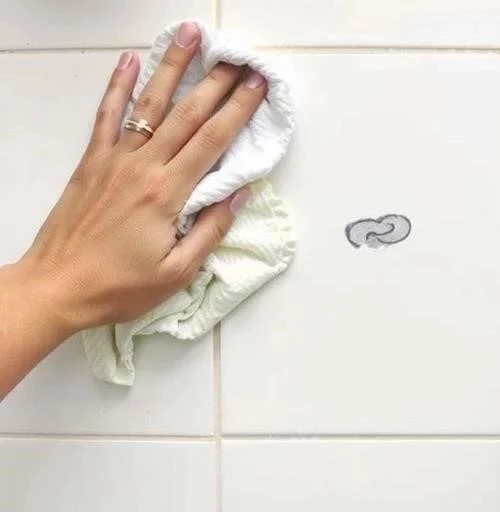
Acrylic paint is water-based while wet, so fresh spills are usually easy to clean with water and mild soap. Once dry, it forms a water-resistant film that can be harder to remove. The safest method depends on the surface: a solvent that loosens paint on glass may damage plastic, fabric, a painted wall, or a finished table. Identify the material first, test any cleaner in an inconspicuous spot, and begin with the mildest practical method.
Before you start
- Blot or lift excess paint rather than rubbing it farther into the surface. Use a spoon, blunt scraper, or clean cloth as appropriate.
- Read the care instructions for the item and the label on any cleaning product. Work with ventilation when using a commercial remover or alcohol.
- Wear suitable gloves and protect nearby surfaces. Keep solvents away from flames, and never mix cleaning products.
- Test the treatment on a hidden area. Stop if the material changes color, becomes tacky, or loses its finish.
Wet acrylic paint
For a fresh spill on a washable, non-porous surface, lift off the excess with a damp cloth, working from the outside toward the center. Rinse the cloth frequently so it does not spread pigment. Wipe the area with warm water and a small amount of dish soap, then rinse and dry. On brushes, tools, or palettes, rinse promptly under running water and wash with soap. Do not let paint dry on the bristles or down a drain in large quantities; collect paint solids and follow local disposal guidance.
On clothing or fabric, scrape away excess without pressing it in. Rinse from the back of the stain with cool or lukewarm water, then work liquid laundry detergent gently into the fibers. Rinse and repeat before laundering according to the care label. Check the stain before using a dryer: heat can make remaining pigment more difficult to remove. If the fabric is delicate, valuable, or marked dry-clean only, consult a professional cleaner instead of soaking it.
Dried paint on hard surfaces
Begin by softening the spot with a damp, warm cloth for several minutes. On a durable surface, carefully lift loosened paint with a plastic scraper or an old bank card, holding it at a shallow angle. Avoid metal blades on materials that scratch easily. Wash the area with soapy water afterward. Repeating a gentle soak and scrape is often safer than applying a strong chemical at once.
Glass: Wet the paint and glass with soapy water. A purpose-made glass scraper or razor can remove a small dried spot, but use it only on suitable, uncoated glass. Keep the blade flat, move it in one direction, and do not use it on tinted film, mirrors with vulnerable coatings, or textured glass. Wipe away residue and dry with a clean cloth.
Tile and metal: Try warm water, detergent, and a plastic scraper first. A small amount of isopropyl alcohol may help with a stubborn mark on a compatible, finished surface, but test it first and wipe it off promptly. Avoid abrasive pads on polished or coated finishes.
Wood, laminate, and painted walls: Use a damp cloth and mild soap, applying as little water as possible. Blot rather than scrub. Scraping, alcohol, and strong removers can strip varnish, swell wood, dull laminate, or lift wall paint. If the mark has bonded to the finish, a touch-up or repaint may be less damaging than aggressive cleaning.
Plastic: Start with soap and water and a soft cloth. Some plastics become cloudy, softened, or cracked when exposed to alcohol, acetone, or paint remover. Do not use these products unless the manufacturer confirms compatibility. A plastic scraper is preferable to a metal blade.
Paint on skin
Wash with warm water and ordinary soap as soon as possible; For dried paint, soak the area briefly, then rub gently with soap or a little cooking oil and wash again. Do not use turpentine, acetone, paint thinner, or household stripping chemicals on skin. Avoid harsh scrubbing, especially near the eyes or on irritated skin. If paint gets into the eyes, rinse with clean water and seek medical advice if discomfort continues.
Using alcohol or a paint remover
Isopropyl alcohol can loosen some dried acrylic paint, but it is not suitable for every surface. Apply a small amount to a cloth, not directly over a large area, and dab or wipe gently after testing. A commercial acrylic remover may work on a compatible, washable surface; follow its label for application time, ventilation, protective equipment, and cleanup. Keep products away from children and pets. Never combine a remover with bleach, ammonia, or another cleaner.
When the stain remains
Some dried paint cannot be removed without altering the surface beneath it. Repeat mild cleaning only if the material remains unaffected. For upholstery, carpets, antique finishes, or expensive garments, stop before using a solvent and ask a specialist. Dispose of paint-contaminated cloths and leftover products in accordance with the product label and local rules; do not pour solvent or concentrated paint into a storm drain.
Quick guide
- Fresh paint: lift the excess, then use water and mild soap.
- Dried paint on glass or tile: soften first; use a suitable scraper carefully.
- Fabric: rinse from the reverse side, treat with detergent, and check before drying.
- Skin: use soap, water, or cooking oil; avoid solvents.
- Unknown or delicate surface: test first, use the mildest method, or seek professional advice.
The key is to act promptly without spreading the stain. Water is the first choice for wet acrylic; dried paint calls for patience and a surface-specific approach. Avoid assuming that a stronger solvent is automatically better: it may remove the paint and the finish underneath it.

6 Comments. Оставить новый
The article covers practical precautions, including ventilation, gloves, and keeping solvents away from flames.
The organized sections make it straightforward to find guidance for different paint conditions and materials.
The fabric-cleaning advice includes helpful reminders about rinsing from the back and checking the stain before drying.
The article clearly distinguishes between fresh and dried acrylic paint, which makes the guidance easy to follow.
The suggestions to test cleaners in an inconspicuous area and use the mildest practical method are sensible.
The emphasis on identifying the surface before choosing a cleaning method is a useful safety consideration.