
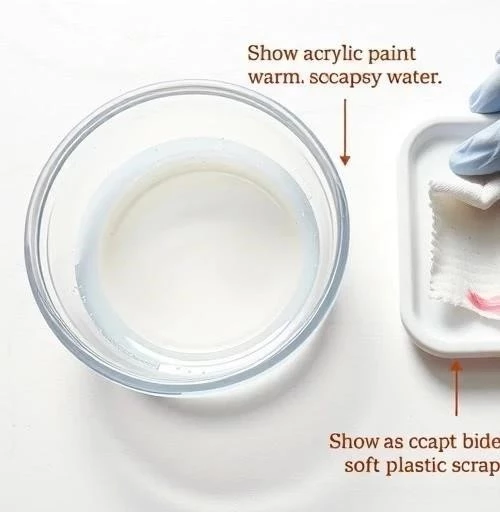
The safest way to remove acrylic paint from plastic depends on whether the paint is still wet, how long it has been on the surface, and what kind of plastic you are cleaning. Acrylic paint is water-based, so fresh paint is usually straightforward to lift with water and soap. Once it dries, it forms a more resistant film; Strong solvents may soften that film, but they can also dull, soften, crack, or dissolve the plastic underneath. Start with the gentlest method and increase the strength only when necessary.
Before you begin
Check the object’s care instructions and, if possible, identify its plastic type. A cleaner that is harmless on one item may damage another. Always test any product on a small, hidden area first, then wait a few minutes and check for discoloration, tackiness, clouding, or fine cracks. Work with good ventilation, wear gloves when using cleaners, and keep products away from children, flames, and food-preparation surfaces. Do not mix cleaning products.
For fresh, wet acrylic paint
- Remove excess paint. Lift it gently with a plastic scraper, the edge of an old card, or a soft cloth. Avoid spreading it across a larger area. Do not use a metal blade on a glossy or delicate surface.
- Wash with warm water and dish soap. Dampen a soft sponge or microfiber cloth and wipe from the outside of the spill toward the center. Rinse the cloth often so you do not transfer paint back onto the plastic.
- Repeat rather than scrub hard. Several gentle passes are safer than forceful scrubbing, which can leave scratches or a dull patch. Rinse with clean water and dry with a soft towel.
If paint has collected in a groove or around a raised detail, loosen it with a soft toothbrush or cotton swab. Avoid soaking an electronic item, a toy with openings, or anything containing metal parts. Apply water to the cloth rather than pouring it over the object.
For dried paint
Begin by softening the paint instead of reaching immediately for a strong solvent. Lay a warm, wet cloth over the mark for several minutes, then try to lift an edge with a fingernail or plastic scraper. If the paint starts to come away, continue patiently, re-wetting the cloth as needed. A little dish soap can help with residue. This approach is especially useful on smooth, sturdy plastic, but prolonged soaking may be unsuitable for assembled objects or surfaces with labels and coatings.
If warm water does not work, try isopropyl alcohol only after a spot test. Put a small amount on a cotton swab or cloth, dab the paint briefly, and wipe as soon as it begins to loosen. Do not flood the surface or leave alcohol sitting on it. Stop immediately if the plastic becomes sticky, cloudy, discolored, or otherwise changes. Alcohol is not safe for every plastic, finish, or printed design.
A commercial acrylic-paint remover may be an option for a stubborn mark, but choose one whose label specifically says it is suitable for the item’s plastic. Follow the directions and contact time exactly. Test first, use the smallest amount needed, and rinse or wipe the surface as directed. A product intended for walls, metal, or glass is not automatically safe for plastic.
What not to use
- Acetone and nail-polish remover: These can attack common plastics, causing melting, crazing, cloudiness, or permanent damage.
- Paint thinner, turpentine, and strong solvent cleaners: They may dissolve or weaken plastic and can create hazardous fumes.
- Metal knives, wire brushes, and abrasive pads: These can scratch the surface even if they remove the paint.
- Boiling water or a heat gun: High heat can warp plastic and may make the paint harder to remove cleanly.
Vinegar is sometimes suggested as a household cleaner, but it is not a dependable remover for a fully dried acrylic film. Do not keep escalating the strength or exposure time of a cleaner just because the paint remains. The risk of damaging the object may become greater than the benefit of removing every trace.
Different objects need different care
Use extra caution with transparent plastic, such as acrylic sheet or clear display parts: alcohol and abrasive cleaning can leave haze or visible scratches. On flexible plastic, avoid vigorous scraping and prolonged contact with cleaners. For toys, food containers, or objects children handle, use mild soap and water where possible, then rinse thoroughly. If the object is valuable, antique, coated, or difficult to replace, ask the manufacturer or a professional conservator before using solvents.
Best method at a glance
Fresh paint: lift off the excess, then wash promptly with warm water and dish soap. Dried paint: soften it with a warm damp cloth, loosen it gently with a plastic scraper, and use a spot-tested, plastic-compatible cleaner only if needed. In every case, avoid harsh solvents, test first, and stop if the surface changes. Working slowly is usually more effective—and far safer for the plastic—than scrubbing aggressively.


3 Comments. Оставить новый
The emphasis on starting with water and dish soap is sensible because it minimizes the chance of damaging plastic while the paint is still wet. The advice to use a soft scraper and avoid aggressive scrubbing also makes the steps practical for delicate or glossy items.
The safety guidance is especially useful: testing a hidden area first and avoiding mixed cleaners can prevent damage that is difficult to reverse. Identifying the plastic type and checking care instructions are important reminders, since the same cleaner can affect different plastics in very different ways.
This is a clear, cautious approach to removing acrylic paint without treating every plastic surface as equally durable. The distinction between fresh and dried paint helps readers choose an appropriate method, and the advice to use a cloth rather than pour water is valuable for objects with openings or electronic components.