Acrylic paint dries when water evaporates and its polymer particles form a durable film. This matters because thickened paint may be recoverable, but paint that has cured into a solid lump generally cannot be returned to its original, smooth condition. First assess what has happened; adding more liquid is not a cure for every kind of drying.
Check the paint before adding anything
If the paint is only thicker than usual and still spreads, it is likely workable. A skin on top may hide usable paint underneath: lift the skin out rather than mixing it in, since it can leave stubborn flakes and lumps. If the whole container is hard, rubbery, or crumbly, the binder has set. Rehydrating it may make a paste, but will not reliably restore an even, durable paint film.
Restore paint that has thickened
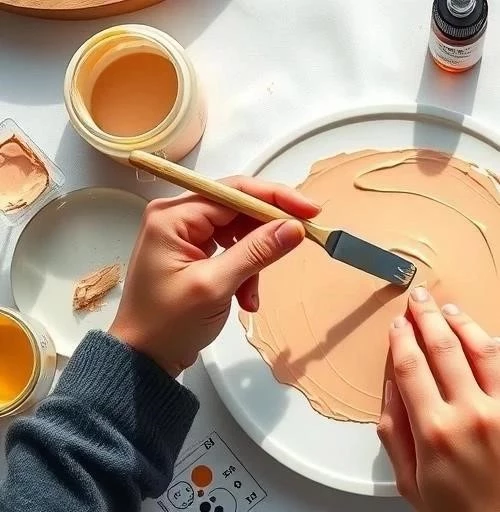
- Transfer a small amount to a clean palette or cup. Do not dilute the entire container until you have tested a sample.
- Add clean water a few drops at a time, stirring thoroughly after each addition. Stop when the paint flows and brushes smoothly. Too much water can weaken coverage and adhesion, especially on a surface that is not absorbent.
- For better body and binding, use an acrylic medium or a manufacturer-approved acrylic thinner. Add it gradually and follow its label; products differ, and there is no universal safe ratio.
Strain slightly lumpy paint through fine mesh if needed, then test it on scrap material. Let the test dry completely before judging the result: wet paint can look smooth while dried paint reveals poor coverage, cracks, or uneven texture. If mixing does not remove persistent clumps, discard the paint rather than applying a defective layer.
What not to do
Do not pour boiling water into the paint, use household solvents, or assume that grinding a solid lump will revive it. These methods can damage the binder, change the colour or consistency, and create a weak finish. Water-based acrylic paint should not be confused with oil paint: strong solvents are not a reliable way to reverse acrylic polymerization.
Prevent it from happening again
Wipe paint from the rim, close the lid tightly, and store the container at a moderate temperature away from direct sunlight. Keep small working portions on the palette and seal the rest promptly. If paint has only begun to thicken, careful testing with water or the correct medium is reasonable; if it has fully hardened, replacing it is usually the more dependable and economical choice.