
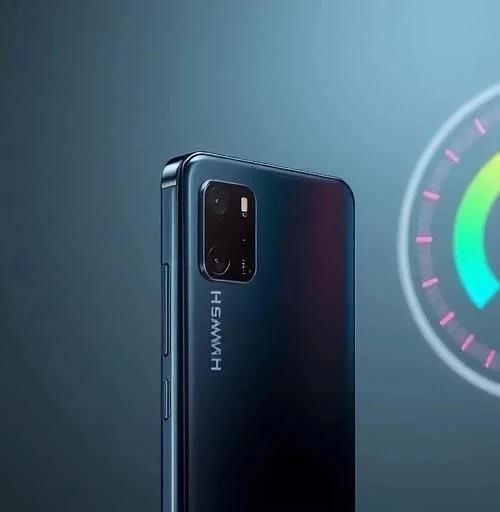
The Huawei P60 Pro typically achieves around one million points in AnTuTu‚ though the exact result depends on the benchmark version‚ software‚ temperature and testing conditions․ A score is best treated as an approximate performance indicator‚ not a fixed specification: Huawei does not publish one universal AnTuTu result for every P60 Pro․
Typical score range
In commonly reported tests‚ the phone scores roughly 950‚000–1‚100‚000 points in AnTuTu v10․ Results from AnTuTu v9 are not directly interchangeable and may be lower‚ often falling in the vicinity of 750‚000–850‚000 points․ These ranges are indicative rather than guaranteed․ Different firmware versions‚ test procedures and device conditions can produce different totals‚ even on the same model․
When comparing figures‚ check the benchmark version shown with the result․ AnTuTu periodically changes its tests and scoring system‚ so a score from one version cannot be compared fairly with a result from another․ A review that quotes a number without identifying the version‚ device configuration and conditions provides only limited context․
What hardware is behind the result?
The P60 Pro uses a 4G version of Qualcomm’s Snapdragon 8+ Gen 1 platform‚ paired with an Adreno 730 graphics processor․ It is a high-end chipset from its generation‚ although the P60 Pro does not include 5G connectivity․ The processor handles general tasks‚ while the graphics unit contributes substantially to the GPU part of the AnTuTu total․ Memory and storage can also affect some test components․
AnTuTu combines several kinds of measurements into one overall number․ Depending on the version‚ these can include CPU calculations‚ graphics rendering‚ memory operations and user-experience tasks․ The final score is therefore not a direct measure of how quickly every app will open‚ nor does it describe gaming performance by itself․ Two phones with similar totals may behave differently in particular workloads․
Why results vary
- Benchmark version: v9 and v10 use different scoring methods‚ so their totals should not be compared as if they were the same scale․
- Temperature: a warm phone may reduce processor speeds to control heat․ A cool device may perform better in a short run․
- Power settings: performance modes‚ battery-saving settings and background activity can influence the result․
- Software and region: firmware updates and regional configurations can change performance or affect the test environment․
- Testing method: repeated runs‚ charging status‚ room temperature and other apps running in the background all matter․
For a more meaningful check‚ install the same AnTuTu version used in the comparison‚ close unnecessary apps‚ let the phone return to a normal temperature and run the test under consistent conditions․ If the score differs from a review‚ that alone does not show that the phone is defective․ First check that both results use the same benchmark version and that the device was not hot or in a power-saving mode․
What does the score mean in everyday use?
A result around one million points indicates strong performance for demanding everyday tasks‚ including multitasking‚ photo editing and many mobile games․ The P60 Pro is also designed as a camera-focused flagship‚ so its practical appeal is not captured by a benchmark number alone․ Display quality‚ camera processing‚ battery condition and software support are important parts of the overall experience․
For gaming‚ frame rate stability‚ graphics settings and heat over a longer session are more informative than a single quick benchmark run․ AnTuTu is a short synthetic test‚ and its score cannot guarantee that every game will run at a particular frame rate․ Game optimisation and the software version can make a noticeable difference․
Bottom line
Expect approximately 950‚000–1‚100‚000 points in AnTuTu v10 for the Huawei P60 Pro under typical reported conditions․ Treat this as a broad reference‚ not an official or guaranteed figure․ Always compare scores from the same AnTuTu version‚ and consider real-world performance and the phone’s features alongside the benchmark result․

1 Comment. Оставить новый
The article usefully distinguishes between AnTuTu versions and notes that benchmark results can vary with testing conditions. This context helps readers interpret the figures as approximate comparisons rather than fixed measures of everyday performance.