
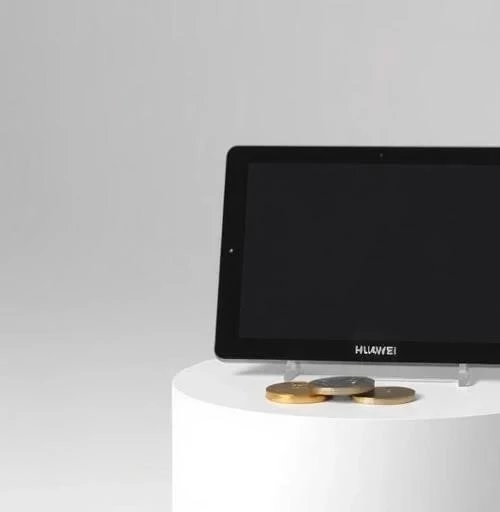
If you searched for “Huawei S7 phone price,” you may have walked into a small naming maze. The name sounds like it belongs to a smartphone, but Huawei’s best-known S7 device is the Huawei IDEOS S7, an older Android tablet. In other words, the first question is not only “How much money?” but also “Which device is the seller actually offering?”
The short answer: there is no dependable single price for a Huawei S7 today. It is a discontinued product, so its value depends on condition, exact model, accessories, battery health, and whether it works at all. As a rough second-hand guide, a working unit may be advertised for around US$15–60, or roughly ₽1,500–₽6,000 when converted as a broad comparison. A damaged, incomplete, or untested one can be worth considerably less. These are illustrative ranges, not live quotations or guaranteed sale prices.
First, identify the device
Huawei’s S7 family is associated with compact Android tablets from an earlier generation of mobile technology. Listings may use names such as IDEOS S7 or a model code beginning with “S7,” and different versions can have different connectivity and hardware. A seller may casually call one a “phone” because it has a SIM slot, can make calls, or simply because the listing category is wrong. That does not automatically make it a modern smartphone.
Before paying, ask for a clear photograph of the label on the back or in the settings menu. Request the complete model number, not just “Huawei S7.” Compare that code with the device’s box, manual, or a trustworthy product reference. If the seller cannot show the model number, treat the listing as uncertain. A short name can hide a different tablet, a replacement shell, or an item that is being described inaccurately.
What might it cost?
Because the S7 is old and is generally found through private sellers, used-goods platforms, or collections rather than as a new product in Huawei’s official phone range, price is shaped by scarcity and condition more than by its original retail price. The following guide is useful for judging an offer, but local demand and currency rates can move the numbers:
- For parts or not tested: around US$5–20 (approximately ₽500–₽2,000). This is a gamble: the screen, charging port, battery, or software may be faulty.
- Working, visibly worn: around US$15–35 (approximately ₽1,500–₽3,500). Expect scratches, an aged battery, or missing accessories.
- Clean and demonstrated working: around US$30–60 (approximately ₽3,000–₽6,000). A charger, intact screen, and proof that it starts can justify the upper end.
- Boxed or unusually well preserved: a seller may ask more, especially to attract collectors. A high asking price does not prove that buyers are paying it.
The ruble figures are simple ballpark comparisons, not a promise about the exchange rate on the day you shop. Shipping, regional availability, import costs, and platform fees can matter as much as the device itself. Also distinguish an asking price from a completed sale price: a listing can sit online for months at a number nobody is willing to pay.
Why an old S7 can be cheap—or oddly expensive
Age pulls the value down: the software is dated, modern apps may not install or run properly, and replacement batteries or parts can be difficult to find. Yet a complete example in attractive condition may interest a collector, a repair hobbyist, or someone building a display of early Android devices. That creates a curious market: a battered tablet can be nearly worthless for everyday use while a clean, boxed one receives a hopeful collector’s price tag.
Do not confuse nostalgia with practical value. If the tablet cannot connect reliably, hold a charge, or run the apps you need, its “rare” status will not make it a useful daily phone. Conversely, a low price is not a bargain if the battery is swollen, the screen is damaged, or the device is locked to an account. The cheapest listing can become the most expensive one after repairs.
What to check before handing over money
- Confirm the exact model. Ask for a photograph of the model code and check that it matches the listing. “S7” alone is not enough.
- See it power on. Ask for a short video showing the startup, touch response, screen, and settings page. A photograph of a switched-off device proves very little.
- Inspect the display. Look for cracks, bright or dark patches, lines, dead pixels, and areas where touch does not respond. Ask the seller to test the whole screen, not just the centre.
- Test charging and battery behaviour. A tablet that turns on while plugged in may still have a failing battery. Watch for a battery that drains rapidly, heats unusually, or causes the case to bulge. Do not use a device with a swollen battery.
- Check buttons, sound, cameras, and ports. A worn charging socket or stuck power button can make an old device frustrating to use and costly to repair.
- Ask about network support. If the particular version has mobile-network hardware, verify its supported bands and whether it accepts your SIM. Old network technology may no longer work in your area, even if the SIM fits.
- Check what is included. A compatible charger, original packaging, or a working memory card may add convenience, but accessories should not distract from faults in the device itself.
- Agree on a return option where possible. For a private sale, test in person or use a payment method with suitable buyer protection. Avoid advance payments to an unverified stranger.
Is it actually worth buying?
For a basic modern phone, usually not. A Huawei S7 belongs to a much older era of Android, so app compatibility, security updates, speed, storage, battery endurance, and mobile-network support are all important concerns. Even if it starts up beautifully, it may not support current banking, messaging, navigation, or streaming apps. Do not buy it expecting the experience of a current Huawei smartphone.
It could make sense as a low-cost restoration project, a collector’s piece, a display device, or a learning tool for someone who enjoys old electronics. In that case, the purchase is closer to buying a small piece of mobile history than buying a dependable everyday handset. Set your budget accordingly: decide what the object is worth to you, not what an optimistic seller says it is worth.
If you need a working phone, compare the S7’s price with newer, entry-level used smartphones available locally. A slightly more expensive recent device may offer a healthier battery, better app support, modern connectivity, and easier access to repairs. Check the exact model and condition of any alternative too; “newer” does not automatically mean “good,” but software support is a major practical advantage.
How to judge a listing price
Search for the exact model code and compare several listings in your country. Prefer completed or recently sold listings when the marketplace provides them. If only asking prices are visible, use them as clues, not proof. Compare like with like: a working S7 with a tested battery is not equivalent to an untested unit sold for parts.
When negotiating, be polite and specific. You might say: “Could you confirm the model number and show that it charges and holds power? I’m comparing it with other used units, so I can offer [your amount] if everything works.” Mention concrete issues—missing charger, cracked glass, or uncertain battery—rather than simply insisting that the item is old. If the seller refuses basic checks, walking away is often the smartest saving.
Watch for listings that borrow photos from product pages, use vague descriptions, or promise that the device is “like new” without showing it switched on. Be cautious of unusually high prices justified by phrases such as “rare,” “unlocked,” or “collector’s edition” unless there is evidence. Equally, an extremely low offer can signal a broken device, a stolen listing, or a payment scam. Use platform protections and keep written records of the agreement.
Where to look for reliable information
Huawei’s official consumer site is useful for exploring the company’s current device categories, but a discontinued S7 may not appear among today’s products. Retail catalogues such as DNS, and broad marketplaces such as Ozon or Wildberries, can help you understand what Huawei products are currently listed in your region; their general Huawei pages do not confirm that a specific S7 is available or fairly priced. For an old model, the most useful evidence is often a precise model code, trustworthy archived specifications, and comparable second-hand sales.
Always separate a manufacturer’s product information from a marketplace seller’s claims. A marketplace page can contain a mistaken title or copied specifications. If two sources disagree, verify the code printed on the actual device and ask for photographs. Do not assume that every Huawei product with “S7” in a title is the same model.
The money answer, in one minute
Huawei S7 is generally a tablet name, not the name of a current Huawei smartphone. For a used, working example, a cautious ballpark is about US$15–60 (roughly ₽1,500–₽6,000), depending heavily on condition and local demand. Parts-only units should cost less; a collector may pay more for a complete, unusually clean example. There is no reliable universal price, and the ranges above are not live marketplace quotes.
So, before asking “How much is a Huawei S7?”, ask the seller for the model code, proof that it works, battery condition, and a real demonstration. If you want a collectible, buy with curiosity and a firm budget. If you want a dependable phone for everyday life, compare newer devices instead. The right price is not simply the lowest number on the screen—it is the amount you are comfortable paying for exactly the device, condition, and usefulness you have verified.


7 Comments. Оставить новый
The best advice here is to solve the tiny mystery before opening your wallet: “S7” may point to a tablet, not a phone. That model-number check is a wonderfully practical antidote to a misleading listing.
There’s a quiet lesson here about second-hand tech: the product name is only the cover of the book. Model code, condition, accessories, and battery tell the real story.
The rough range gives readers a starting compass without disguising uncertainty as precision. I’d still want a photo of the screen switched on, but the article gives a smart checklist for asking.
The article wisely resists pretending there is one official “right” price. A working vintage tablet, a box of spare parts, and an untested mystery object are three very different bargains.
A helpful distinction between “can make calls” and “is a modern smartphone.” That small clarification could save someone from buying yesterday’s tablet while imagining tomorrow’s phone.
I like that the price is treated as a weather forecast, not a law of nature. For an old device, battery health and completeness can change the value more than the name printed in a listing.
This turns a shopping question into a little piece of tech archaeology. The reminder to inspect the label is especially useful—sometimes the most important feature is the one hiding in tiny print.