
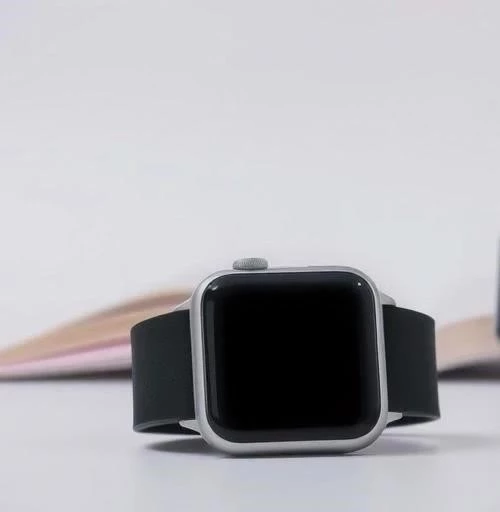
As of November 2026‚ the Apple Watch Series 3 is best viewed as a basic‚ aging smartwatch—not a good long-term purchase. It can still handle some everyday tasks‚ but its usefulness is shrinking as software‚ apps and paired iPhones move on. There is no reliable date when every function will stop working; relevance depends on what you expect from a watch.
What it can still do
For a wearer who already owns one‚ Series 3 may remain useful for telling time‚ tracking simple workouts‚ recording activity and receiving basic notifications‚ provided it pairs with a compatible iPhone and the relevant services still work; Its built-in heart-rate sensor can support simple checks‚ though it should not be treated as a medical device. If these limited functions meet your needs‚ there is no urgent reason to replace a working watch.
Why its useful life is limited
The key issue is age. Series 3 dates from 2017 and was discontinued in 2022. Its final major watchOS generation was watchOS 8‚ so it misses years of later features and has a narrower path for software and app compatibility. Apple’s general support resources can help with troubleshooting‚ but they do not guarantee that an old model will receive new watchOS releases‚ app updates or every service indefinitely.
Compatibility can become a practical barrier before the watch itself fails. New iPhone software may require a newer watchOS version‚ while developers can update their apps for newer systems and stop supporting older ones. Setup‚ updates and storage can also be frustrating on this model. Thus‚ a watch that still turns on may nevertheless become less convenient with each change in the Apple ecosystem.
Hardware matters too. A Series 3 bought years ago may have a worn battery‚ reduced runtime‚ or damage to its screen and water seals. Battery replacement or repair can cost more than the remaining usefulness justifies. Do not assume that water resistance is unchanged after years of wear‚ and avoid relying on it for safety-critical communication.
How long should you keep it?
If you already own one: keep using it while it reliably lasts through your day‚ pairs with your iPhone and runs the functions you need. Back up and update it where possible‚ and check compatibility before changing phones. Replace it when battery life‚ reliability‚ or missing apps become a real inconvenience—not simply because it is old.
If you are considering buying one: avoid paying a substantial price. Even a cheap used unit is a short-term choice‚ with uncertain battery condition and declining software support. A newer‚ supported watch is the more sensible option for regular use‚ especially if you need current apps‚ recent health features or dependable pairing.
Bottom line
Series 3 may remain adequate for basic use for some owners‚ but it is already past its prime. Expect diminishing practicality rather than a precise shutdown date. For an existing watch‚ continued use is reasonable if it works; for a new purchase in 2026‚ choose a newer model with current software support and a healthier expected lifespan.
9 Comments. Оставить новый
I appreciate that this does not automatically tell every Series 3 owner to replace their watch. If basic timekeeping and activity tracking are enough, keeping a working device can be a reasonable choice.
Overall, this gives readers a realistic way to make the decision: consider what functions they use, whether pairing still works, and the condition of the battery and hardware. It avoids both unnecessary alarm and unrealistic reassurance.
The article explains the limitations clearly, though readers considering a used Series 3 should also compare its price with newer refurbished models. A small price difference could make the longer support runway worthwhile.
This is a sensible overview for existing owners. I would have liked a brief comparison with newer entry-level Apple Watch models, but the advice to weigh repair costs against remaining usefulness is sound.
The discussion of battery wear and aging water seals adds practical detail beyond software compatibility. Those are easy issues to overlook when judging an older device only by whether it powers on.
The article appropriately cautions readers not to treat the heart-rate sensor as a medical device. That clarification is valuable, especially for anyone deciding whether an older watch is suitable for health-related monitoring.
The point about compatibility is especially helpful. For an older smartwatch, the ability to pair and keep using familiar apps may matter more in practice than whether the hardware still turns on.
The reminder that there is no single date when every function will stop working is important. Support and usefulness can decline gradually, depending on the iPhone, apps, and services someone relies on.
This is a useful, balanced assessment because it distinguishes a watch that still works from one that remains fully supported. That distinction helps readers decide based on their actual needs rather than assuming the device will suddenly stop functioning.