
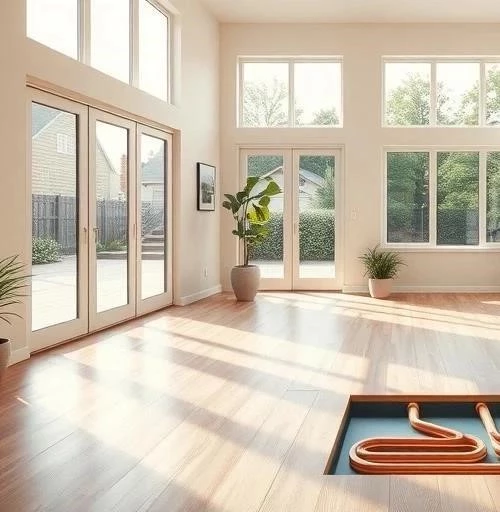
A house can keep its best feature invisible: comfort delivered with less heat. Low-temperature heating works like a quiet tailor‚ matching gentle warmth to the building instead of blasting it with hot water. The result can be a steadier indoor microclimate‚ reduced energy consumption and a persuasive story when it is time to sell.
Why cooler water can be smarter
In a water-based heating system‚ coolant temperature is lower than in many traditional setups. Large surfaces spread warmth evenly: underfloor heating turns the floor into a calm‚ radiant landscape‚ while low-temperature radiators provide a practical option where floors cannot be rebuilt. Because the system does not need to run as hot‚ a heat pump can operate more efficiently. A condensing boiler can also benefit‚ recovering more heat from its exhaust when designed and adjusted for cooler operation. The right choice depends on the home‚ local climate and existing equipment—not on a fashionable label.
Make the building part of the system
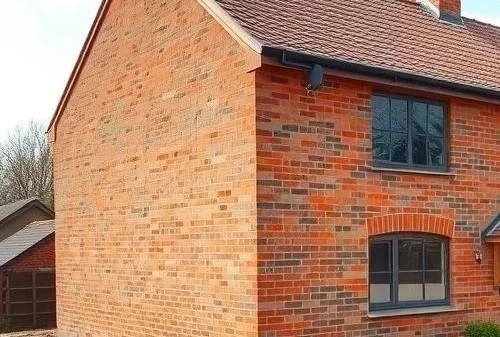
Even excellent equipment cannot compensate for heat escaping through the envelope. Home insulation‚ careful wall insulation and energy-efficient windows help retain warmth‚ improve thermal efficiency and reduce drafts. This pairing matters: upgrades to the heating system work best when the building first needs less heat. An energy-efficient home is not simply a house with new machinery; it is a coordinated design in which walls‚ windows and controls work together.
Let technology read the weather
Heating automation can make comfort responsive rather than wasteful. A smart thermostat learns schedules‚ while weather-compensated control adjusts water temperature as outdoor conditions change. Set up correctly‚ these tools avoid overheating empty rooms and can support heating savings and lower utility bills. The goal is not to keep every room identical‚ but to create a reliable‚ comfortable indoor microclimate without paying to heat unused space;
Comfort today‚ value tomorrow
Modernization of engineering systems may reduce operating costs and strengthen a home’s energy-efficiency class. Those qualities can support property liquidity and the market value of a house: buyers increasingly notice predictable bills‚ comfort and eco-friendly heating. In a property appraisal‚ an efficient‚ well-documented heating system can help distinguish a home from similar listings and improve the investment appeal of housing. No upgrade guarantees an increase in housing value‚ of course; local demand‚ workmanship and maintenance still count.
A practical route to the upgrade
- Check insulation‚ windows and the home’s actual heat loss.
- Choose heat emitters and equipment to suit the building‚ not the other way round.
- Balance the system‚ set controls carefully and track energy use through a full season.
Think of low-temperature heating as a long conversation between the house and the weather. When the envelope is sound‚ the controls are tuned and the equipment is matched to the task‚ warmth becomes quieter‚ bills can shrink and the home becomes more appealing—not just on a cold morning‚ but on the market‚ too.


8 Comments. Оставить новый
I like how this makes heating feel less like a furnace contest and more like a conversation between the house and the weather. The quietest technology may be the kind that knows when not to speak.
A useful reminder that smart controls are only as clever as their setup. Technology can read the forecast, but someone still has to teach it the household’s rhythm.
The strongest idea here is that comfort begins before the thermostat: it starts with the walls deciding not to let warmth wander off. That’s a wonderfully practical way to think about home upgrades.
The connection between a home’s physical shell and its heating equipment is easy to overlook. This piece makes the point clearly: even clever machinery cannot negotiate with a drafty window.
I appreciated the refusal to crown one heating option as the universal winner. Homes are more like individual instruments than identical appliances; the right system has to suit the building.
There’s an appealing kind of restraint in this approach: comfort without excess, warmth without a blast of hot air. It makes energy efficiency sound less like sacrifice and more like good manners.
This article gives efficiency a human scale. Instead of promising a futuristic house, it imagines rooms that simply feel right—without the heating system making a dramatic entrance.
A thoughtful guide with a refreshing message: the best heating upgrade may be a whole-house plan, not a shiny new box. Comfort, after all, is a team sport.