
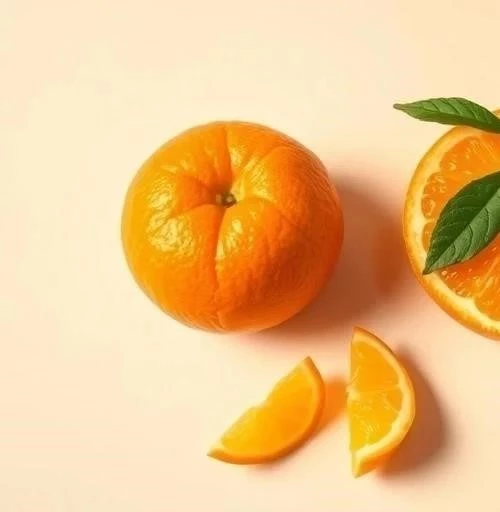
Imagine two tiny suns in the fruit bowl․ The mandarin is easygoing: it slips out of its jacket in neat segments and fits into a pocket․ The orange is its bigger, juicier cousin, built for breakfast and a glass of sunshine․ But which one is more useful to your body? The honest answer is less like a race and more like choosing the right tool for the day․
The vitamin C contest
Oranges often take the lead in vitamin C per 100 grams․ A typical orange provides about 50 milligrams, while a mandarin may offer roughly 25–30 milligrams; exact amounts vary with variety, size, ripeness, and storage․ Vitamin C supports normal immune function, helps the body make collagen, and improves absorption of iron from plant foods․ So if you want a particularly vitamin-C-rich snack, an orange may have the edge․ One fruit, however, does not guarantee protection from colds—or replace a varied diet․
The mandarin’s quiet advantages
Mandarins are wonderfully portable and usually easier to peel․ That convenience matters: a fruit you actually eat can be more valuable than a theoretically superior one left untouched in the fridge․ Their small size also makes portions simple․ Both fruits supply water, fiber, and useful plant compounds, including flavonoids․ Fiber helps support digestion and makes whole fruit more filling than juice․ The white threads clinging to the segments are edible too, so there is no need to pick them clean․
Sweetness, calories, and the whole-fruit rule
Neither fruit is a nutritional villain․ Both provide natural sugars, but also water and fiber, and their calories are generally modest․ Their exact sugar and calorie content depends on size and variety, so “one fruit” is not always the same portion․ For most people, choosing a whole orange or a couple of mandarins is more satisfying than drinking juice: juicing removes much of the fiber and makes it easy to consume several fruits quickly․ If you monitor blood sugar, pay attention to portions and your own response rather than assuming one citrus fruit is automatically better․
So, which should you choose?
- Choose an orange when you want more vitamin C per bite and a substantial snack․
- Choose mandarins when portability, easy peeling, or a smaller portion matters most․
- Choose both when you want variety—different colors, flavors, and plant compounds across the week․
The verdict: oranges often win the vitamin-C scoreboard; mandarins win the convenience round․ For everyday health, neither wears a permanent crown․ Pick ripe, fresh fruit you enjoy, eat it whole, and let the fruit bowl be a friendly little choice—not a competition․



7 Comments. Оставить новый
Like a bright little note tucked into a lunchbox, this comparison is friendly without flattening the facts. My takeaway: keep both citrus cousins around and let the day decide.
A fruit-bowl debate with the tone of a tiny courtroom—and a sensible verdict: the best citrus is often the one you’ll happily peel and eat. I especially liked the reminder that nutrition isn’t a contest with a single champion.
This turns an everyday snack into a surprisingly charming choice between a pocket-sized sun and a breakfast-sized one. The practical point about whole fruit versus juice is the detail I’ll carry into my next grocery trip.
A refreshingly down-to-earth guide: no miracle claims, no fruit shaming, just useful context served with a little sunshine. The white threads getting a quiet defense made me smile.
I came for the vitamin C comparison and left appreciating the humble superpower of convenience. A mandarin that gets eaten beats an orange left posing dramatically in the fruit bowl.
A neat reminder that fruit arrives with more than numbers: portability, portion size, and the pleasure of peeling all count in real life. This was both informative and easy to digest.
The article makes nutrition feel less like a scoreboard and more like choosing the right instrument for the song. Clear, balanced, and pleasantly free of grand promises.