
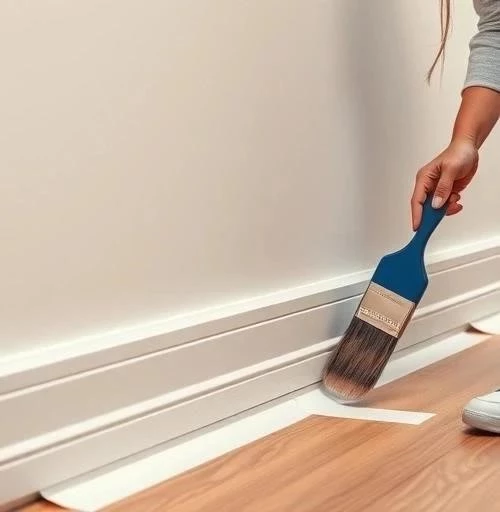
An aluminum baseboard can provide a clean, durable edge between the floor and wall, while its cable channel conceals office wiring. When its finish needs refreshing, painting a baseboard is possible, but the result depends on careful surface preparation and products designed for metal. Underfloor heating adds another consideration: the coating must tolerate normal temperature changes without peeling or discoloring;
Inspect and prepare the surface
First, check whether the baseboard is already installed and whether it can be removed safely. Detaching it usually makes the work easier and prevents paint from reaching the floor, wall, or cables. If removal is impractical, mask nearby surfaces and protect the cable channel. Do not paint over wiring or electrical components.
Clean away dust, fingerprints, grease, and cleaning-product residue. Degreasing the surface is essential because contaminants can reduce coating adhesion. Use a cleaner suitable for aluminum, following its instructions, then allow the metal to dry completely. If the old finish is loose, remove it carefully. Light sanding of aluminum with a fine abrasive can help a new coating grip; avoid aggressive abrasion that could damage the profile. Remove sanding dust before proceeding.
Examine the metal for scratches, damaged edges, or signs of corrosion. Aluminum does not rust like steel, but unsuitable products, trapped moisture, or contact with other metals can cause surface deterioration. A compatible primer provides a stable base and added corrosion protection; Choose a metal primer specifically approved for aluminum, and apply it in a thin, even layer. Follow the stated drying time before painting.
Select a compatible coating
Paint for aluminum should be identified by the manufacturer as suitable for the substrate and the expected indoor conditions. A metal enamel may be appropriate if its instructions allow use over the selected primer. Check that the primer and topcoat are compatible; combining unrelated products can lead to poor adhesion, softening, or peeling.
Powder coating is a durable factory-applied option, but it requires specialist equipment and controlled curing. It is generally not a practical do-it-yourself method for a baseboard already fitted in an office. For on-site work, use a suitable liquid coating and apply several thin coats rather than one heavy layer. A heat-resistant paint is not automatically necessary for every heated floor: confirm the expected surface temperature and select a product with an appropriate rating.
Account for floor heating
Underfloor heating warms the floor and nearby trim gradually. Thermal expansion occurs as materials warm and cool, so the baseboard and coating should be able to accommodate ordinary movement. Allow the floor and profile to reach room temperature before painting, and keep the heating off during application and curing unless the product label says otherwise. Restart the system gradually after the finish has fully cured; This helps reduce stress on the coating and supports heat resistance in normal use.
Apply paint and reinstall the profile
Stir the coating gently and use a fine brush or small roller suited to the profile. Keep paint out of joints, clips, and the cable channel, where buildup could make installation or later access difficult. Let each coat dry for the specified period; Before baseboard installation, check that the finish is hard and free of tackiness. Refit the profile without forcing it; leave any movement gaps required by the flooring or manufacturer.
For an office interior, the color scheme can match door hardware, furniture, or wall details. A contrasting finish may emphasize the profile, while a wall-matched color can make room finishing appear more discreet. Test the chosen color on a small, inconspicuous section first, since lighting can change how metallic and matte finishes look.
Care and maintenance
A durable finish still benefits from gentle care. Wipe the baseboard with a soft cloth and a mild cleaner approved for the coating. Avoid abrasive pads and harsh solvents, which may dull or lift the paint. During office renovation, protect the trim from tools, ladders, and wet construction materials. Inspect it periodically, especially near doors and cleaning areas, and repair chips promptly using compatible primer and paint. With sound preparation, suitable products, and sensible maintenance, a painted aluminum baseboard can remain neat and functional beside a heated floor.


9 Comments. Оставить новый
The recommendations to let the metal dry completely and remove sanding dust provide useful details that can affect the final finish.
The article clearly explains why cleaning and degreasing aluminum are important before painting. Its advice to use products specifically approved for aluminum is useful.
The article addresses underfloor heating as a factor in coating selection. Checking temperature suitability before painting is a sensible precaution.
The article distinguishes aluminum surface deterioration from rust, which helps readers choose suitable preparation and protection methods.
The step-by-step structure makes the preparation process easy to follow, from cleaning the surface to applying primer.
The advice to sand lightly rather than aggressively helps explain how to improve adhesion while protecting the aluminum profile.
The emphasis on checking primer and topcoat compatibility is practical. Following manufacturers’ instructions is especially relevant for metal coatings.
The guidance on removing or masking the baseboard helps clarify how to protect nearby surfaces and wiring during the work.
The article offers a helpful overview of preparation and product selection. A complete set of instructions for applying and curing the topcoat would add further detail.