
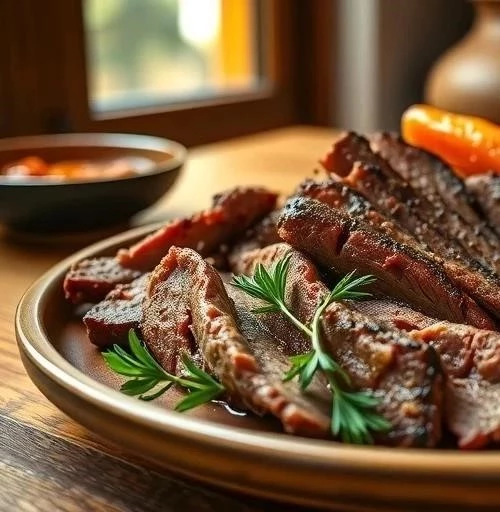
Choosing Beef Tenderloin and Carrots for Tender, Juicy Roast Beef
Choose evenly shaped beef tenderloin with visible marbling and firm texture; select fresh, slender carrots of similar size for balanced flavor and a tender, juicy roast.
Preparing the Beef Marinade and Selecting Spices for the Meat
For a balanced beef marinade, combine a little olive oil with minced garlic, black pepper, and a modest amount of salt. Mix gently. Add a spoonful of mustard or lemon juice for gentle brightness, keeping acidic ingredients limited so the surface stays pleasant rather than sharp. Pat the beef dry before coating it, then spread the mixture evenly over every side. A short rest in the refrigerator allows the flavors to settle; bring the meat back toward room temperature before cooking. Choose spices for meat that complement, rather than conceal, the beef: thyme, rosemary, paprika, and crushed coriander are suitable options. The marinade should lightly season the tenderloin, not form a thick paste. If preparing ahead, cover the dish and keep it chilled, then discard any marinade that has touched raw beef. Reserve clean seasoning separately if a finishing touch is desired.
Oven-Roasting Beef with Carrots: Temperature and Cooking Time
Preheat the oven to 220°C (425°F) for 15 minutes, then reduce it to 180°C (350°F). Place the tenderloin in a roasting pan and arrange evenly cut carrots around it, leaving room for hot air to circulate. Cooking time varies with thickness, shape, and starting temperature, so use the clock only as a guide. For a 1 kg (2.2 lb) tenderloin, begin checking after about 35 minutes at 180°C (350°F). Check the center with a thermometer, avoiding contact with the pan. For medium-rare, remove the beef at 52–54°C (125–130°F); for medium, aim for 60–63°C (140–145°F). Follow local food-safety guidance, and allow for a small rise in temperature during resting. Carrots are done when a knife slides in easily but they remain intact; thinner pieces may finish first. Check them near the end, remove any that are ready, and keep the pan uncovered for even roasting. Oven heat may affect cook times.
Serving Homemade Roast Beef with Vegetables and a Suitable Side Dish
Slice the rested homemade roast beef across the grain and arrange it with the roasted carrots and other vegetables on a warm platter. Offer the vegetables beside the slices, or place them in a separate serving dish to keep the platter neat. A spoonful of pan juices can be served on the side, allowing each person to add a little as desired. Roasted potatoes, rice, or crusty bread make practical accompaniments; a crisp green salad adds contrast without competing with the beef. Keep portions moderate and include vegetables for a simple, balanced plate suited to an everyday meal. For a cooler-weather meal, serve the dish with steamed greens or sautéed cabbage for freshness. A small bowl of horseradish sauce or mustard may accompany the beef, with portions offered separately. Arrange serving utensils nearby and bring extra vegetables to the table in a separate bowl.
Adapting the Recipe for an Easy Everyday Dinner or a Festive Beef Dish
For an easy everyday dinner, keep the presentation relaxed and portions practical. For a festive beef dish, add a composed salad, seasonal greens, and a broad platter, keeping accompaniments distinct. Let guests choose sauces and sides; labels can note mild, sharp, or fresh flavors without crowding the table. For an everyday meal, reuse the same calm arrangement, while a simple centerpiece or seasonal garnish can make the setting feel special. Choose portions according to appetite, and keep extra vegetables available so the meal remains flexible for different schedules and preferences. A weeknight version can use familiar accompaniments and uncomplicated place settings; a celebration may include a printed menu or coordinated serving pieces. Keep the table simple for routine suppers; for guests, add place cards or a seasonal detail for a calm shared setting.

9 Comments. Оставить новый
The explanation of resting and carryover temperature gives helpful context for judging when to remove the roast from the oven.
Including several spice options helps readers adapt the flavor while keeping the beef as the main focus.
The article gives clear guidance on choosing ingredients and preparing the tenderloin without relying on a complicated marinade.
The temperature guidance is organized clearly, with separate targets for medium-rare and medium doneness.
The instructions about arranging the carrots with room for air circulation make the roasting steps more specific.
The advice to pat the beef dry and apply the seasoning evenly is practical and easy to follow.
The reminder to discard marinade that has contacted raw beef is a useful food-safety detail.
The piece balances ingredient selection, seasoning, and cooking guidance in a straightforward format.
The article appropriately notes that cooking time can vary and recommends checking the meat with a thermometer.