
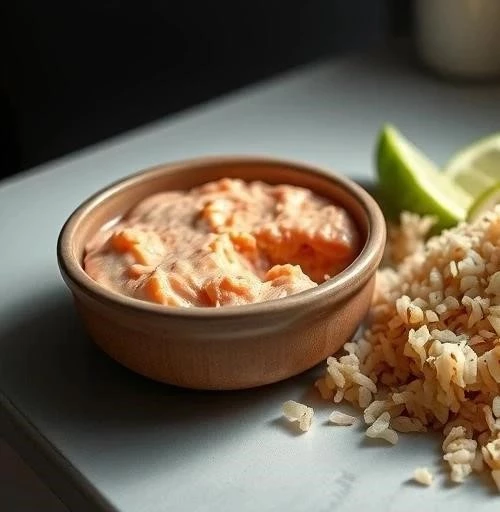
Salmon Pâté with Rice for Healthy Eating: Article Outline
This outline organizes the subject into sections, keeping the overview concise and neutral while guiding readers through the article’s structure without duplicating the details covered below.
Ingredients and Nutritional Profile: Salmon Fillet, Lightly Salted Salmon, Cooked Rice, Calories, and Protein, Fat, and Carbohydrate Content
Ingredients shape the nutritional profile of salmon pâté with rice. A typical ingredient list may include salmon fillet, lightly salted salmon, cooked rice, and a small amount of plain yogurt or soft cheese. The proportions determine calories and the balance of protein, fat, and carbohydrates. Salmon provides complete protein, omega-3 fatty acids, and beneficial fats; rice contributes carbohydrates and energy. Lightly salted salmon can raise sodium, so its share matters in the overall nutritional value. For an accurate estimate, use ingredient weights and package labels, then calculate calories and protein, fat, and carbohydrate content for the full mixture. Results vary with species, brand, salt level, and the ratio of fish to rice. A nutrient panel should distinguish values per 100 grams from values per portion, since portion size changes the reported energy and macronutrient amounts. No fixed calorie figure applies to every formulation. Labels assist comparisons.
Step-by-Step Homemade Salmon Pâté Recipe: Preparing the Ingredients and Achieving a Delicate Texture
- Set out the salmon, cooked rice, lemon juice, plain yogurt, and seasonings. Check the fish for bones; remove any, then pat the fillet dry. Keep the work surface and utensils clean.
- Poach or steam the fillet gently until it is fully cooked and flakes easily; cool it. If using ready-to-eat salmon, flake it with the fork and remove skin.
- Place the fish and rice in a food processor with yogurt and lemon juice. Pulse in short bursts, scraping the bowl as needed, until evenly combined.
- For a delicate texture, add yogurt a teaspoon at a time; avoid overprocessing. Taste, then adjust lemon or seasoning gradually. Transfer to a covered container and chill before serving.
- For a smoother result, blend the fish first, then add rice in small portions. Stop to check consistency; the mixture should hold its shape while remaining easy to spread.
- Fold in the remaining rice gently, taste once more, and stop mixing when the texture is uniform.
Salmon with Rice as a Healthy Breakfast: A High-Protein Source, Omega-3, and Beneficial Fats in a Low-Calorie, Balanced-Eating Recipe
Salmon with rice can fit into a balanced breakfast when the portion is matched to appetite and daily needs. The combination offers protein for normal body functions and omega-3 fats associated with cardiovascular health, while rice supplies carbohydrates that contribute energy. Salmon is a source of beneficial fats as well as protein, so the meal can be satisfying without relying on highly processed foods. To keep the breakfast varied, consider it as one part of an overall eating pattern that includes vegetables, fruit, and other minimally processed foods at suitable times of day. A low-calorie label should not be assumed: energy depends on the fish-to-rice ratio, additions, and serving size. For balanced eating, assess calories alongside protein, fat, and carbohydrate rather than judging a meal by one number. The pâté can provide a practical high-protein option for mornings, but individual needs differ with activity, preferences, and health circumstances; needs vary.
Serving the Fish Appetizer: Ideas for Sandwiches with Pâté and Tips for Storing It
Serve the pâté as a chilled fish appetizer, spooned into a small dish with crisp vegetables or crackers. For sandwiches with pâté, spread a thin, even layer on whole-grain bread; add cucumber, lettuce or radish for freshness and a contrasting crunch. Cut each sandwich into small portions for a buffet, or serve open-faced to keep the topping visible. Keep the spread refrigerated in a clean, airtight container, and avoid leaving it at room temperature during serving. Use a clean utensil each time, return the container promptly to the refrigerator, and follow the use-by guidance for its ingredients. Discard any portion that has been left out too long or handled with unclean serving tools.
Choose sturdy bread that will not become soggy, and assemble sandwiches shortly before serving; keep the pâté covered between uses. Serve with plain crackers, toast points, or sliced vegetables and place only a small amount on the table at once, replenishing it as needed for service.




2 Comments. Оставить новый
The outline presents the topic in a clear sequence, moving from nutritional considerations to recipe preparation. It appropriately notes that nutritional values depend on ingredient proportions and serving size.
The guidance is practical and maintains a neutral tone. Adding a brief note about safe storage and handling of prepared pâté could make the recipe section more complete.