
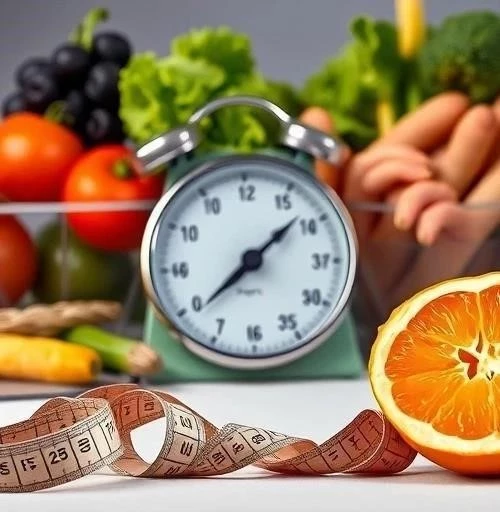
The short answer: no․ An orange does not directly burn body fat, melt it while you sleep, or cancel out a meal․ No single fruit can do that․ But an orange can be a useful part of an eating pattern that supports gradual weight loss—and the reasons are more interesting than a supposed “fat-burning” effect․
The tiny orange myth machine
Oranges have a bright, almost theatrical reputation: vivid peel, sharp fragrance, a burst of juice․ It is easy to imagine that something so fresh must somehow “cleanse” the body or speed up its metabolism․ The body, however, does not work like a kitchen sponge․ Fat loss happens when, over time, the body uses more energy than it gets from food and drink․ The gap can come from eating a little less, moving more, or both—not from one magical ingredient․
Vitamin C is sometimes pulled into the story․ It is essential for normal health, but eating an orange has not been shown to make stored fat disappear․ Nor does sourness mean fat-burning: an orange’s acidity is a taste and chemistry fact, not a signal that your waistline is shrinking․ Your metabolism is not a citrus juicer․
What an orange can do
A medium orange typically provides roughly 60–80 calories, along with water, fiber, and vitamin C; exact values vary with size and variety․ That makes it a satisfying, nutrient-rich snack for many people․ Its fiber and water add volume, and chewing a whole fruit takes longer than drinking a glass of juice․ Those small details can help a snack feel more substantial․
That is the useful distinction: an orange may support choices that help manage overall calorie intake, but it does not independently cause fat loss․ If an orange replaces a pastry or a sugary drink, the swap might reduce the calories in that moment․ If it is simply added on top of everything else, it still contributes energy—just like any other food․ Context does the heavy lifting․
Whole fruit versus juice
When possible, choose the whole orange․ Juice can contain vitamins, but squeezing removes much of the fruit’s helpful structure and makes it easy to drink the equivalent of several oranges quickly․ A whole orange asks you to peel, segment, chew, and pause․ It is a snack with a built-in speed limit․
This does not make juice forbidden or “bad․” It simply tends to be less filling than whole fruit, and portions matter․ If you enjoy juice, pour a modest glass rather than treating it as unlimited hydration․ Water remains the simplest everyday thirst-quencher․
How to give the fruit a supporting role
- Use it as a swap: Pair an orange with yogurt or a handful of nuts instead of reaching automatically for a highly processed snack․
- Make it part of a meal: Add orange segments to a salad with beans, greens, and a protein source․ The fruit brings sweetness and brightness, not a metabolic shortcut․
- Keep the whole picture in view: Regular meals, enjoyable movement, adequate sleep, and habits you can sustain matter much more than a single “superfood․”
There is no need to eat oranges at a special hour, on an empty stomach, or after a workout to unlock a secret effect․ The body does not issue a midnight pass to citrus․ Choose fruit because you like it and because it helps make your diet varied—not because an influencer promised that its acidity will target belly fat․
A few sensible cautions
Oranges suit many people, but they are not essential․ Citrus can aggravate reflux or irritate a sensitive mouth, and some people have allergies․ Frequent exposure to acidic drinks or fruit juice may also be tough on tooth enamel; having acidic foods with meals and rinsing with water afterward can be gentler․ If you have a medical condition or a prescribed diet, follow advice tailored to you․
The verdict
An orange does not burn fat․ It supplies nutrients and can be a convenient, flavorful whole-fruit snack․ It may help with weight management when it replaces a less filling choice and fits into a sustainable eating pattern—but the effect comes from the overall pattern, not a special citrus chemical․
So peel one for its juicy segments, its fragrance, and its cheerful color․ Let it brighten your plate, not shoulder the impossible job of shrinking your body all by itself․ The real “fat-burning secret” is far less exotic: consistent habits, a realistic energy balance, and foods you can happily keep eating․


1 Comment. Оставить новый
A refreshing myth-buster: the orange gets to be a nutritious snack, not a tiny citrus superhero. I especially like the reminder that context—not a single “fat-burning” food—does the real work. Whole fruit over juice is a practical takeaway that feels useful without turning lunch into a chemistry experiment.