
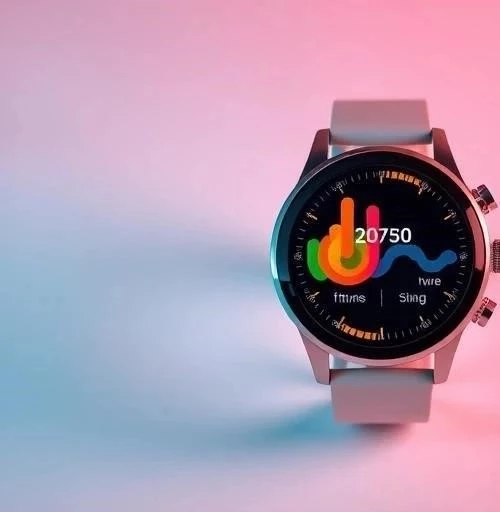
Samsung’s Galaxy Watch 7 is an update to the Watch 6, not a dramatic redesign․ Its biggest changes are inside: a faster processor, more storage, refreshed health sensors and new software features․ The familiar round design and two case sizes remain, so the watch feels like a refinement of an established formula․
A faster chip and more storage
The Watch 7 uses Samsung’s Exynos W1000, a five-core processor built on a 3-nanometer process․ Apps, menus and animations feel responsive, while the more efficient chip is designed to balance performance with battery use․ Samsung also doubles internal storage from 16GB on the Watch 6 to 32GB, leaving more room for apps, music and offline content․ RAM is 2GB․
Updated health tracking
A redesigned BioActive Sensor combines optical heart-rate, electrical heart-signal and bioelectrical impedance measurements․ Samsung says its expanded LED arrangement improves the range of signals the watch can capture․ As with any wrist-based tracker, readings can vary with fit, movement and individual physiology; the watch is not a substitute for professional medical advice․
New wellness tools include Energy Score, which uses sleep, activity and heart-rate data to summarize readiness for the day, along with personalized wellness suggestions․ Sleep tracking adds more detailed insights, and sleep-apnea detection is available in supported regions for eligible users․ Availability and requirements can vary, and some features require a compatible Samsung phone or the Samsung Health Monitor app․
More accurate location tracking
For outdoor activities, the Galaxy Watch 7 adds dual-frequency GPS support, using L1 and L5 signals to help improve location accuracy, particularly in challenging environments such as streets lined with tall buildings․ The watch also tracks workouts and offers familiar activity metrics, including heart rate, pace and distance․ GPS results still depend on surroundings and signal conditions․
Design, display and battery
The watch retains a lightweight aluminum case, a bright Super AMOLED touchscreen and sapphire crystal protection․ It comes in 40mm and 44mm sizes, with different display and battery capacities: approximately 300mAh for the smaller model and 425mAh for the larger one․ Both support 5ATM water resistance and an IP68 rating, as well as MIL-STD-810H testing․ These ratings do not mean the device is indestructible; follow Samsung’s guidance for swimming, water exposure and care․
Battery life varies with display settings, workouts, GPS, LTE use and other features․ The Watch 7 uses Wear OS 5 with Samsung’s One UI 6 Watch interface, bringing updated menus and health tools while retaining access to Google and Samsung apps․ Some functions work best within Samsung’s device ecosystem․
Is it worth upgrading?
The Galaxy Watch 7 is most compelling for people who want quicker performance, twice the storage, improved GPS and newer health features․ Watch 6 owners may find the design and everyday experience familiar, so an upgrade is less essential unless those changes matter to them․ For buyers choosing their first recent Samsung smartwatch, the Watch 7 offers a polished mix of fitness tracking, notifications and smart features․ Check phone compatibility and local feature availability before buying․

4 Comments. Оставить новый
It is helpful to see the practical changes separated from the familiar design. The new wellness features are interesting, though regional availability and phone compatibility are worth checking before buying.
The Watch 7 sounds like a thoughtful upgrade, especially the faster processor and doubled storage. I also appreciate the reminder that health and GPS readings can vary depending on conditions.
The dual-frequency GPS and updated sensor are promising additions for people who track workouts and sleep. The balanced explanation of their limitations makes this a useful overview.
A clear summary of what has changed and what has stayed the same. The improved performance and extra storage stand out, while the familiar design may appeal to current Galaxy Watch users.