
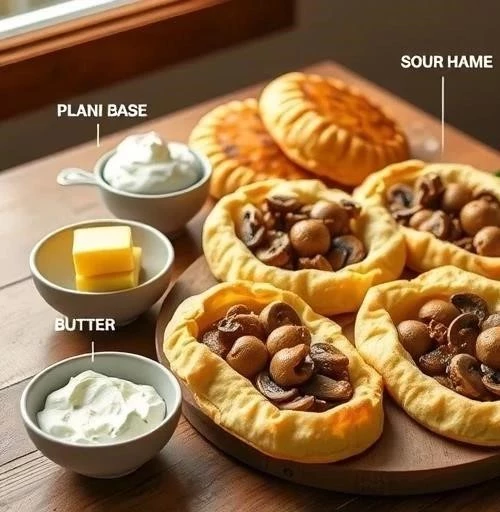
Define the Shangi with Mushrooms Recipe and Identify Ingredients to Substitute
Shangi with mushrooms: thoughtful substitutions can preserve the recipe’s character, balance, and comforting flavor while matching your needs, with smart, gentle swaps.
Choose Alternative Products for the Dough: Yeast Dough or Unleavened Dough, Wheat Flour or Whole-Grain Flour, Milk, Kefir, or Water
For a reliable shangi dough, choose the texture first: yeast dough rises into a soft, airy base, while unleavened dough stays flatter and quicker to prepare. For yeast dough, use wheat flour as the dependable choice; replace part of it with whole-grain flour for a nuttier taste, but expect a denser crumb and add liquid gradually. A complete swap is possible, yet whole-grain flour absorbs more moisture, so begin with a modest proportion and adjust until the dough feels supple, not sticky. Milk gives a mild richness; kefir adds gentle tang and may need a little dilution, whereas water keeps the dough neutral. Choose among milk, kefir, or water according to availability, then pour in small amounts: flour brands and weather change absorption. Keep swaps gradual: dough should remain pliable, and each flour change calls for a brief rest before shaping to suit your needs.
Replace Fats and Binding Ingredients: Butter, Vegetable Oil, Eggs, and Sour Cream; Include a Sour Cream Replacement for a Fasting Recipe
Butter, vegetable oil, eggs, and sour cream each affect tenderness, moisture, or structure, so replace them according to the result you want. Melted butter can be swapped for a neutral vegetable oil; use less oil because it is pure fat, and mix it in gradually. If butter is unavailable, mild olive oil works, though its flavor may show. For each egg, try a small spoonful of thick plant-based yogurt or applesauce to help bind the dough; these options add moisture, so reduce another liquid slightly if needed. To replace sour cream, choose plain unsweetened yogurt for a similar tang, or use a thick dairy-free alternative. For a fasting recipe, combine unsweetened soy yogurt with a little lemon juice, or use coconut yogurt if its aroma suits the dish. Check the mixture’s consistency and adjust in small increments: it should be quite tender and cohesive, not greasy or wet.
Adapt the Mushroom Filling: Use Champignons, Wild Mushrooms, Dried Mushrooms, or Oyster Mushrooms, and Add Onion, Potatoes, Cheese, or Cottage Cheese
Choose mushrooms: flavor and availability, keeping the filling savory, tender, and not watery. Button mushrooms are mild; oyster mushrooms bring a firmer bite, while safely identified wild mushrooms offer rich aroma. Rehydrate dried mushrooms, then drain and mince them; reserve only a little strained soaking liquid if the mixture seems dry. Cook the mushrooms until excess moisture evaporates, so the topping stays concentrated rather than loose. Add onion for sweetness; use cooked potato for a softer, heartier texture, or stir in cheese for a richer, saltier finish. Cottage cheese can replace part of the cheese, giving a mild, creamy note; drain it well and season the filling to taste. Adjust salt, pepper, and herbs after tasting, since each mushroom type has its own intensity. Keep the mixture balanced: additions should complement the mushrooms, not conceal their aroma.
Assemble and Bake Homemade Shangi in the Oven, Checking the Mushroom Filling’s Texture and Flavor
Shape each portion into a shallow round, set it on a lined tray, and leave space between pieces. Spoon the mushroom mixture into the center, spreading it evenly without pressing hard; a thin, level layer warms through more reliably than a tall mound. If the topping looks wet, drain it before assembling; if it seems dry, fold in a teaspoon of its own cooking juices. Taste a small amount and correct the seasoning before filling, since baking will not soften an overly salty or bland mixture. Keep the rim clear so the shangi holds its shape. Preheat the oven to 200°C and bake until the edges turn golden and the base feels set, usually 18–22 minutes. Rotate the tray once if your oven browns unevenly, and avoid opening the door too often. The filling should be moist and cohesive, not runny; mushrooms must be tender, with no puddle left on the surface. Serve warm, enjoy!
3 Comments. Оставить новый
The substitution advice is practical and easy to follow, especially the reminder to adjust liquids gradually as different flours absorb moisture differently.
I appreciate how the article explains what each ingredient contributes to the dough. The suggestions make it easier to adapt the recipe without losing its comforting character.
Helpful guidance for choosing between yeast and unleavened dough, and for making sensible swaps. The texture tips are especially useful for home cooks.