
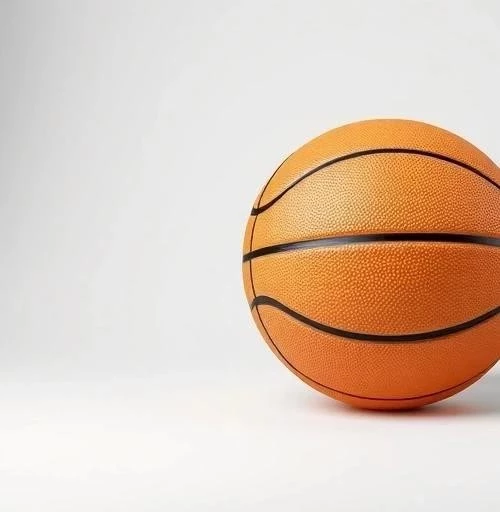
A basketball is a large‚ round ball designed to be seen‚ gripped‚ and bounced during play. Its familiar appearance is not merely decorative: the shape‚ color‚ and surface all help players control it. Although basketballs can vary in size and finish‚ the classic ball is orange‚ spherical‚ and covered with dark curved lines. These features make it recognizable‚ but they also serve practical purposes.
Shape‚ color‚ and panels
The ball’s basic shape is a sphere‚ which allows it to roll and bounce in any direction. Its surface is divided by black or dark-colored channels into sections that resemble curved panels. The channels are often called seams. They form a pattern that typically includes several broad sections meeting around the ball‚ rather than separate pieces that look like patches. On many modern balls‚ the panels are molded into a continuous outer cover.
Orange became the standard color because it is easier to see than the brown balls used in earlier periods‚ particularly against a gym floor and in a crowded game. That visibility matters: players must follow the ball while running‚ passing‚ and shooting. Indoor balls are commonly a warm orange or reddish orange‚ while some outdoor and recreational models use brighter or more varied colors. Still‚ color alone does not define a basketball; its round form and distinctive seams are just as important.
Why the surface matters
A basketball is not smooth like a plastic toy. Its outer covering has a pebbled texture‚ made up of many small bumps that help the hand grip the ball. The channels offer additional points for the fingers to locate. This is why the appearance of the surface has a clear functional purpose: a player can hold‚ spin‚ and release the ball more reliably than if it were slick. Good grip supports accurate passing and shooting‚ especially when the hands are sweaty.
The cover may be leather‚ synthetic leather‚ or rubber. Higher-quality indoor balls are often made from leather or a composite material‚ while many outdoor balls use durable rubber that can withstand rougher courts. The material can change the ball’s sheen and feel‚ but the pebbled texture and panel lines remain visible. A small logo‚ model name‚ or manufacturer’s mark may also appear on one or more panels.
Size and variations
Not every basketball looks exactly the same in scale. Adult men’s‚ women’s‚ and youth balls differ in circumference and weight‚ so a younger player can handle a smaller ball more comfortably. At a glance‚ however‚ they share the same general design. A basketball is much larger than a tennis ball‚ yet small enough to fit in a player’s hands and pass quickly between teammates;
Some balls have colorful designs‚ contrasting panels‚ or visible branding‚ and specialty versions may be used for training or promotion. These variations can be striking‚ but the traditional orange ball remains the most recognizable. Its consistent shape‚ high-visibility color‚ textured cover‚ and dark seams are not arbitrary styling choices. Together‚ they make the ball easier to see and control—the two reasons its familiar appearance has endured.

5 Comments. Оставить новый
The explanation of why orange became common is useful and grounded in play: visibility helps players track the ball in a busy gym. I also appreciate the qualification that color alone does not define a basketball.
The article clearly explains that a basketball’s appearance is closely tied to how it is used. The discussion of the pebbled surface and seams is especially effective because it connects visible details to grip and control.
This is an accessible overview for readers unfamiliar with basketball equipment. It distinguishes the ball’s shape, color, seams, and texture while showing how each feature contributes to recognition or handling.
The comparison of leather, synthetic leather, and rubber introduces useful context about basketball covers. The article also appropriately notes that materials and colors can vary, avoiding the impression that every ball has exactly the same appearance.
The article makes a persuasive case that the ball’s surface is functional rather than merely decorative. Its explanation of how texture and channels help with grip gives readers a practical reason for the design.