
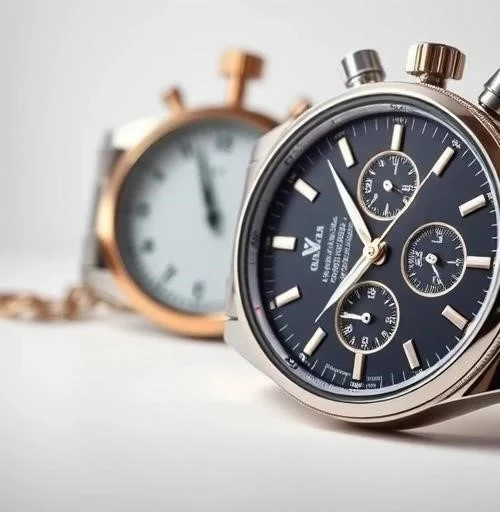
A chronograph watch is a watch with a built-in stopwatch․ The word sounds like it belongs in a laboratory‚ but its idea is wonderfully simple: it tells you the time‚ and‚ when asked‚ measures how long something takes․ One watch‚ two jobs—like a tiny clock that moonlights as a track official․
The important distinction is that a chronograph does not usually measure time continuously in place of the regular clock․ Its stopwatch function starts‚ stops‚ and resets on command‚ while the watch’s ordinary hour and minute hands keep moving․ So the answer to “what does chronograph watch mean?” is not simply “a watch with lots of little dials․” It means a timepiece equipped to record elapsed time․
How to read its buttons and hands
Most chronographs have two pushers on the side of the case‚ often above and below the crown․ Press the upper pusher to start the timer; press it again to stop․ The lower pusher generally returns the stopwatch hands to zero․ On many models‚ the crown sets the regular time‚ while a long central hand—usually still when the chronograph is off—tracks seconds for the stopwatch․
Look closely at the smaller circles on the dial․ These are called subdials or counters․ One may count elapsed seconds; another may total minutes‚ and a third may show hours․ Their arrangement varies․ Some chronographs have two counters‚ some three‚ and a few use a clean digital display instead․ The layout is not decoration alone: it gives the wearer a quick visual record of the measurement․
A tiny timing example
Imagine timing a kettle․ Press start when the water begins to boil‚ stop when it is ready‚ and read the elapsed minutes and seconds on the chronograph․ You can do the same for a lap‚ a parking meter‚ a speech‚ or the slowest elevator ride in history․ The watch does not know what you are timing; it simply measures the interval between your two presses․
Chronograph versus chronometer
These two words are often confused‚ and the difference matters․ A chronograph has a stopwatch function․ A chronometer is a watch that has passed accuracy tests set by an independent testing body․ A watch can be both‚ either‚ or neither․ Think of “chronograph” as describing what the watch can do‚ and “chronometer” as describing how reliably it keeps time under specified conditions․
Why the scale around the dial?
Some chronographs have a numbered scale printed around the dial or on the bezel․ The famous example is a tachymeter‚ which can estimate speed over a known distance․ Start timing as you pass a distance marker and stop at the next marker; the scale can indicate an average speed․ Other scales help with calculations such as distance or fuel consumption․ They are useful tools‚ though only when you know what the markings are designed to measure․
From science to wristwear
Stopwatch mechanisms became valuable wherever precise intervals mattered: observatories‚ sporting events‚ navigation‚ engineering‚ and aviation․ As watches grew more compact‚ the chronograph brought this practical instrument to the wrist․ Over time it also became a design icon․ Its layered counters‚ crisp pushers‚ and purposeful markings suggest motion—even when the wearer is sitting perfectly still․
There are several kinds․ A standard chronograph starts‚ stops‚ and resets․ A flyback chronograph can reset and begin a new timing interval with one press‚ useful when events follow one another rapidly․ A split-seconds‚ or rattrapante‚ chronograph has an extra hand that can stop to record an intermediate result while the main hand continues․ These advanced mechanisms are more complicated‚ and often more expensive‚ than the everyday stopwatch function․
Mechanical or quartz?
A mechanical chronograph uses springs‚ gears‚ and levers; winding it may be manual or automatic‚ powered by the movement of the wearer’s wrist․ A quartz chronograph uses a battery and electronic timing‚ commonly offering excellent precision and straightforward operation․ Neither is automatically the “right” choice․ Mechanical watches appeal to people who enjoy intricate miniature engineering; quartz models often make practical‚ accurate companions with less frequent servicing․
What to know before using one
Check the manual before pressing buttons underwater․ Even a water-resistant watch may not be designed for operating its pushers while submerged․ Reset the chronograph after use if you want a clear dial and‚ on some models‚ to conserve power․ If a hand does not return exactly to zero‚ it may need adjustment rather than repair․ A watchmaker can check the mechanism‚ especially if the pushers feel stiff or the timer behaves unpredictably․
So‚ is a chronograph for you?
Choose one if you enjoy measuring short intervals‚ appreciate technical design‚ or simply like the lively look of a dial with a job to do․ If you only need to know whether you are late‚ a simpler watch may be easier to read․ But a chronograph offers a pleasing little ritual: press‚ watch the seconds travel‚ press again․ It turns passing time into something you can hold‚ inspect‚ and—occasionally—use to settle an argument about how long the toast has been in․
In short: a chronograph watch is a timepiece with an integrated stopwatch․ The regular hands tell the time of day; the chronograph function measures elapsed time․ Once you know which hand and counter do what‚ the busy dial becomes less like cockpit equipment and more like a small‚ beautifully organized instrument․

4 Comments. Оставить новый
Those subdials feel less like mysterious decorations now and more like tiny balconies where the passing seconds can be watched. Clear, practical, and pleasantly curious.
A chronograph is basically a clock with a second job—and this explanation makes that job wonderfully easy to picture. I’m now tempted to time the next elevator ride, just to see if history repeats itself.
The distinction between chronograph and chronometer is the article’s best little plot twist. Two nearly identical words, yet one measures an interval and the other tells a story about precision.
I never thought a watch could make timing a kettle sound like a small adventure. This turns the chronograph from a technical feature into a pocket-sized referee for everyday life.