
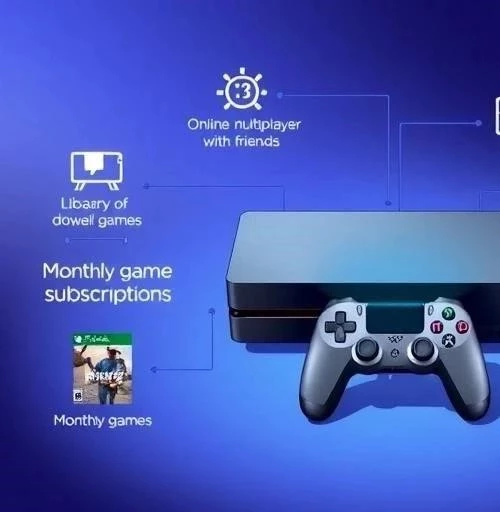
Think of PlayStation Plus as a set of keys rather than a single ticket. One key opens the door to online multiplayer; another unlocks a rotating shelf of games; a third may let you stream or sample titles without downloading them. Which keys you receive depends on your plan, your country, and sometimes the game itself. The useful question is not simply “Is Plus worth it?” but “Which parts of it will I really use?”
PlayStation Plus has three main tiers: Essential, Extra, and Premium. In some countries where cloud streaming is unavailable, the top tier is called Deluxe and may not include the same streaming features. Names, prices, game selections, and availability can change, so check the PlayStation Store in your region before subscribing. The outline below explains the service’s usual benefits—not a promise that every feature or game is available everywhere.
The quick answer
- Essential is mainly for online multiplayer, monthly games, cloud saves, and member offers.
- Extra includes Essential benefits plus access to a larger, rotating catalog of downloadable games.
- Premium adds selected classic games, game trials, and cloud streaming in supported regions. Deluxe offers a different top-tier mix where streaming is not available.
Each higher tier generally includes the benefits of the lower tiers. But “more” does not always mean “better value”: a player who only wants to team up online may get everything they need from Essential, while a curious player who finishes several catalog games might get far more from Extra or Premium.
Online multiplayer: the social key
For many console players, the practical reason to subscribe is access to online multiplayer in paid games. Plus can let you join friends in cooperative missions, compete in matches, or explore a shared game world. If a game’s online mode requires a membership, you normally need an active subscription to use that mode.
There is an important exception: many free-to-play games do not require PlayStation Plus for online play. That commonly includes popular titles built around a free entry point, although a particular game’s rules can change. Check its PlayStation Store page if online access is the whole reason you are considering a subscription.
Plus is not the same thing as an internet connection, and it does not make every game multiplayer. You still need suitable network access, the game itself, and—where applicable—any separate game account or in-game purchase. Think of Plus as the venue pass, not the concert ticket, the transport, and the snacks all bundled together.
Monthly games: a small library that grows over time
Essential subscribers can claim a selection of games during the monthly offer period. Once claimed, those games are associated with the account and can generally be played while the membership remains active. The selection changes, so a title you missed may not be available to claim later. A regular visit to the monthly games page can turn a subscription into a surprisingly varied collection.
The key word is claim. A monthly game does not necessarily become yours forever in the same way as a game you bought outright. If your Plus membership expires, access to claimed monthly games is usually suspended. If you subscribe again later, access to eligible claimed games can return, provided the account and game remain supported. A game installed on the console may show a lock while your membership is inactive; installation alone does not preserve access.
It is also worth separating monthly games from the Extra and Premium catalogs. Monthly games are claimed for the account during their offer window. Catalog games are more like books in a lending library: you can play them while they are included in the service and your tier is eligible, but titles may leave the catalog. Neither kind should be confused with a permanent purchase.
The Game Catalog: a buffet, not a shelf you own
Extra and Premium normally include access to a broad Game Catalog, featuring selected PS4 and PS5 games. The exact line-up differs by region and changes over time. You can browse, download eligible games, and play them while they remain in the catalog and your subscription is active. Some games may be available only on one console generation, so look at the store listing before planning a download.
This is where the higher tiers can shine. A single month might be enough to explore a story-driven adventure, try a strategy game you would not have bought at full price, and discover a series through an earlier entry. The catalog makes experimentation cheaper in spirit: instead of asking, “Will I love this game enough to buy it?”, you can ask, “Would I like to spend an evening with it?”
But the buffet has a menu and a closing time. Catalog games can be removed, and a title’s departure can interrupt a long playthrough. If a game becomes a favorite, check whether it is leaving and consider buying it separately if you want lasting access. Save data may remain, but that does not grant a licence to play a game that is no longer available to you.
Cloud saves: a spare copy of your progress
PlayStation Plus includes cloud storage for supported saved data on PS5 and PS4. This can help protect progress if a console needs replacing or resetting, and it can make it easier to carry a save between compatible consoles using the same account. Automatic upload and sync settings can reduce the number of manual chores between finishing a session and putting the controller down.
Cloud storage is a backup tool, not a magic undo button. Sync behavior, supported games, and the steps for restoring data can vary. If you are about to replace a console, change accounts, or delete local files, check that your saves have uploaded successfully. A few seconds spent confirming a backup can protect dozens of hours spent rescuing a kingdom, building a farm, or repeatedly missing the same jump.
Discounts and occasional member offers
Members may receive special prices on selected games, add-ons, or other PlayStation Store content. These offers are not guaranteed to cover every game, and they can overlap with public sales—or disappear before you make up your mind. Compare the final price with the regular store price and any sale available to everyone. A discount is useful when it lowers the cost of something you already want; it is less useful when it persuades you to buy something you would otherwise ignore.
Some promotions or bonuses may be offered from time to time, but they should be treated as extras rather than the foundation of a subscription decision. If you are subscribing for a particular offer, read its terms: dates, eligible accounts, regions, and redemption rules matter.
What the higher tiers add
Extra: more games to discover
Extra is the step for people who want the Essential benefits and a larger game library, but do not particularly need classic-game access or streaming. The catalog is its central attraction. It can be a good fit for someone who plays frequently, enjoys sampling different genres, or shares a console household with players whose tastes differ. It can be a poor fit for someone who plays one annual sports game and little else.
Premium or Deluxe: classics, trials, and—in some places—streaming
The top tier may add a Classics Catalog with selected games from earlier PlayStation generations. Depending on the title and region, classic games may be delivered through different methods, such as download or streaming. Premium can also include time-limited game trials for selected new releases, letting you test a game before deciding whether to buy it. Trial availability and duration vary; check the individual offer rather than assuming every new game is included.
In supported regions, Premium can provide cloud streaming for eligible games and devices. Streaming can be convenient when you want to try a game without a full download or play on a supported device away from your main console. It depends on availability, a reliable connection, and the service’s supported hardware and games. It is not the same as owning a downloaded copy, and it may not be offered in your country. Deluxe, used in some markets, generally does not include the same cloud-streaming benefit.
What Plus does not give you
- It does not make every game free. New releases, individual purchases, and in-game content can still cost extra.
- It does not guarantee permanent access to catalog games. Catalog line-ups rotate, and monthly games require an active membership to play.
- It does not replace your internet provider. Online play and streaming still rely on your connection.
- It does not mean every online game needs Plus. Many free-to-play games allow online access without it, subject to their current rules.
- It is not a single universal package. Features, prices, streaming, and available games vary by region and can change.
Which tier fits which player?
Choose Essential if you mainly need online multiplayer in paid games, want to claim the monthly selections, or value cloud saves and member offers. It is the straightforward, lower-cost entry point for someone who already knows what they want to play.
Consider Extra if you regularly finish games and want a large catalog to explore. Its value depends less on the number of titles advertised and more on how many you would genuinely play. Make a short list of catalog games that interest you, then compare their individual prices with the subscription cost for the period you expect to play.
Consider Premium or Deluxe if you are excited by the specific classics, trials, or streaming features in your region. Do not pay for the top tier just because it is the top tier. If you rarely play older games and never use streaming, the extra benefits may sit untouched like a beautifully polished controller in its box.
If you play in bursts, a shorter subscription period may suit you better than paying continuously. You can also review the renewal date and automatic-renewal setting after subscribing. The right plan is the one that matches your habits, not the one that makes the longest feature list;
A simple value test
- Write down the games you expect to play over the next few months.
- Mark which ones require Plus for online multiplayer.
- Check whether the games you want are monthly claims, in the catalog, or separate purchases—and whether they are available in your region.
- Estimate how many catalog titles you will actually finish before they leave or your subscription ends.
- Compare the subscription price with the cost of buying the games you would otherwise choose, then include the value of cloud saves and online play if those matter to you.
This calculation does not need to be exact. Its purpose is to separate real value from the pleasant illusion of an enormous library. A catalog of hundreds of games is only valuable to you if some of those games are games you want to play.
The bottom line
PlayStation Plus can turn a console into a more connected, more exploratory place. Essential supplies the practical basics: online multiplayer for many paid games, monthly games to claim, cloud saves, and member offers. Extra adds a rotating library that rewards curiosity. Premium—or Deluxe in certain regions—adds selected classics and trials, with streaming available only where supported.
Its best benefit is not one feature but the way the features match a player’s rhythm. For the friend who never misses a co-op night, it is a bridge. For the curious player, it is a door into games they might not otherwise try. For someone who already owns the games they love and plays them offline, it may be unnecessary. Check your local plan details, look at the games currently included, and subscribe for the keys you will actually use—not for the whole key ring.




6 Comments. Оставить новый
I like how the article separates the social value of multiplayer from the appeal of a game catalog. Those are different kinds of gaming, and the guide gives each its own place at the table.
Clear, calm, and nicely skeptical of the word “more.” The reminder to check local availability makes this feel less like a sales pitch and more like a friend comparing notes.
The “set of keys” image makes the tiers instantly easier to understand. It turns a subscription comparison into a question of which doors you actually want to open.
A refreshingly practical guide: instead of treating the biggest plan as the automatic winner, it asks readers to match the service to their habits. That is useful advice in a world full of upgrade buttons.
The regional caveat is a small detail with a big job. It keeps the guide from pretending that every player sees the same storefront, like a map that admits some roads move.
The strongest idea here is that value depends on what you play, not how many features a tier can stack in a list. That simple lens can save readers from paying for a digital attic they never visit.