
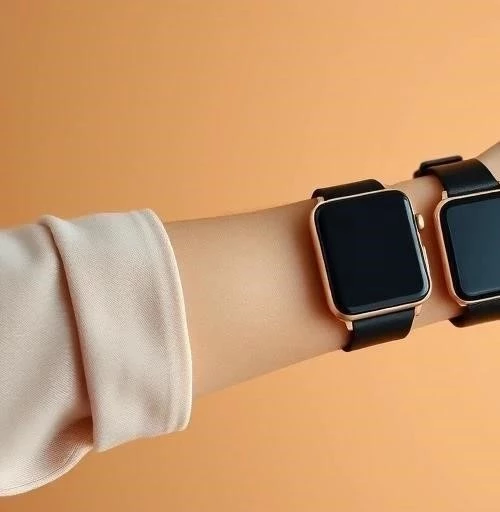
There is no special “women’s” Apple Watch size. The right SE is the one that feels comfortable‚ sits securely and is easy to read on your wrist. For most shoppers‚ the choice is between the smaller 40 mm and larger 44 mm case. These numbers describe the case height‚ not the wrist circumference‚ and neither size is automatically more feminine or more suitable.
Choose 40 mm if comfort comes first
The 40 mm SE is usually the safer starting point for a petite wrist‚ or for anyone who prefers light‚ discreet watches. Its smaller case is less likely to catch on sleeves and can feel more comfortable while sleeping‚ exercising or wearing the watch all day. If you have found large watches bulky in the past‚ this is likely the better option.
The trade-off is a smaller display. Text‚ workout details and on-screen controls have less room‚ so you may need to look more closely or tap more carefully. For notifications‚ activity tracking and everyday use‚ however‚ the screen is sufficient for many people.
Choose 44 mm if readability matters more
The 44 mm version gives you a larger screen‚ making messages‚ menus and workout data easier to see and interact with. It can be a good choice if you have a medium or larger wrist‚ prefer bold-looking watches‚ or simply want more screen space. The larger case may also feel easier to operate if small buttons are inconvenient.
In return‚ it takes up more room on the wrist and may feel more noticeable‚ especially during sleep or under fitted sleeves. A larger display alone is not a reason to choose it: comfort matters when you plan to wear a watch throughout the day.
A practical way to decide
Measure your wrist with a flexible tape‚ then try both sizes in person if possible. The watch should sit snugly without pinching; its case should not extend noticeably beyond the edges of your wrist. Try moving your hand‚ bending your wrist and fastening the strap. A display model can feel different from a watch worn for several hours‚ so pay attention to weight and how the case rests against your skin.
- Small wrist or preference for a subtle‚ lightweight fit: start with 40 mm.
- Medium-to-large wrist or a preference for larger text: consider 44 mm.
- Unsure between the two: prioritize comfort over appearance‚ and try both with the strap you plan to use.
Check the generation before buying
Apple Watch SE sizes depend on the generation and market; Many SE models are offered in 40 mm and 44 mm‚ but confirm the exact case sizes‚ compatible straps and fit details for the specific model you are considering. Strap size and adjustment also affect comfort: a well-fitted band can make either case feel more secure. For sport‚ a soft‚ adjustable band is often practical; for daily wear‚ choose one that does not irritate your skin.
The bottom line
For a woman with a slim wrist who values a light‚ unobtrusive watch‚ the 40 mm Apple Watch SE is generally the best first choice. Choose 44 mm if the larger display is more important and the case feels comfortable on your wrist. Gender is not the deciding factor: wrist shape‚ screen preference and all-day comfort are. If possible‚ try both sizes before purchasing‚ and do not choose the larger model solely because it appears to offer “more” watch.
5 Comments. Оставить новый
This is a thoughtful guide for shoppers who may assume one size is inherently more suitable for women. Its emphasis on personal comfort and trying both cases makes the recommendation inclusive and grounded in practical needs.
I appreciate the clear explanation that 40 mm and 44 mm refer to case height, not wrist circumference. That detail can prevent shoppers from misunderstanding the sizing and choosing based on the wrong measurement.
The advice to consider sleep, exercise and sleeves is useful because comfort depends on more than how a watch looks in a shop. I would also recommend checking the fit with the intended strap, since that can affect how secure it feels.
The comparison makes the choice practical by connecting case size to comfort and readability rather than treating one option as universally better. Trying both sizes is especially sensible because wrist shape and personal preference can differ.
The article gives a balanced account of the trade-offs: the smaller watch may be less intrusive, while the larger one can make information easier to read. This helps readers focus on how they will actually use the watch.