
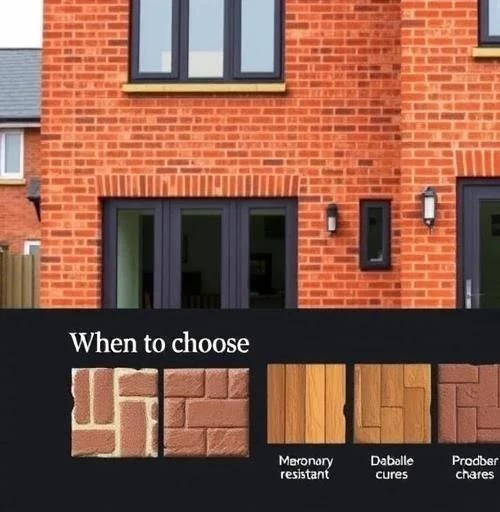
Brick cladding is worth considering when a building needs a durable, low-maintenance exterior with a substantial appearance. It can suit a new private house or renovation, but the right choice depends on the structure, local climate, architectural style and project budget. A facade brick finish is not merely decorative: its weight, moisture behavior and installation requirements must be considered during design.
Situations That Suit Brick Cladding
Choose brick when the desired facade finish should remain visually consistent for many years and withstand everyday exposure. Brick can work especially well where the exterior walls and foundation are designed to carry its load, or where a suitable support system is included. During house construction, these requirements can be planned from the beginning. For an existing building, have a qualified professional check the walls, foundation and connections before specifying masonry.
Brick is also appropriate when the design calls for decorative masonry, deep window reveals or a traditional, contemporary or regional architectural style. The range of brick color and surface texture allows the cladding to complement roofs, windows and landscaping. Samples should be viewed outdoors: daylight, wet weather and mortar shade can change how a finished wall appears.
Choosing the Brick Type
Clinker brick is fired at high temperatures and is often selected for its dense surface, low water absorption and resistance to wear. It can be a practical option in exposed locations, though its price and installation requirements may be higher. Ceramic brick offers a broad range of colors and textures and is commonly used for house cladding. Silicate brick can be economical, but its suitability depends on the product, exposure conditions and manufacturer’s guidance; it should not be assumed appropriate for every facade.
Compare product data rather than choosing by appearance alone. Check material strength, frost resistance and moisture resistance for the intended climate and exposure. Ask whether the stated ratings apply to the specific product and installation method. Brick dimensions also matter: they influence joint patterns, detailing around openings and the quantity needed.
Performance and Construction
A brick outer layer can protect the building from weather and may contribute to sound insulation, but it does not automatically provide adequate thermal insulation. The wall assembly should be designed as a whole, including insulation, air and moisture control, ventilation where required, and connections that limit thermal bridges. A ventilated facade is a different wall system: it typically uses a cavity and drainage or ventilation details, so its design should not be confused with conventional masonry cladding.
Brick installation requires a stable base, accurate setting-out, suitable masonry mortar and properly formed joints. Details at the building plinth, roof edge, windows and doors are especially important because water must be directed away from vulnerable parts. Incorrect ties, blocked drainage paths or unsuitable mortar can undermine facade durability even when the brick itself is high quality. Use experienced installers and follow the product specification.
Budget and Final Decision
Estimate the full cladding cost, not just the price per brick. Include delivery, support or foundation work, insulation, ties, mortar, scaffolding, cutting, waste and labor. Complex patterns, special colors and unusual brick dimensions can increase both material use and installation time. Obtain a detailed quotation and clarify which preparation and finishing tasks are included.
Choose brick when its appearance, expected service life and maintenance profile fit the project, and when the structure can safely support the system. Compare samples, verify technical performance and plan junctions before work begins. If the building cannot accommodate the load, the budget is limited or a lightweight envelope is required, another facade finish may be more suitable. A considered selection makes brick cladding a coherent part of the building rather than a surface applied without regard to performance.

1 Comment. Оставить новый
The article provides a useful overview of when brick cladding may be appropriate and highlights important structural and material considerations. Checking product specifications and getting a professional assessment for existing buildings are sensible points.