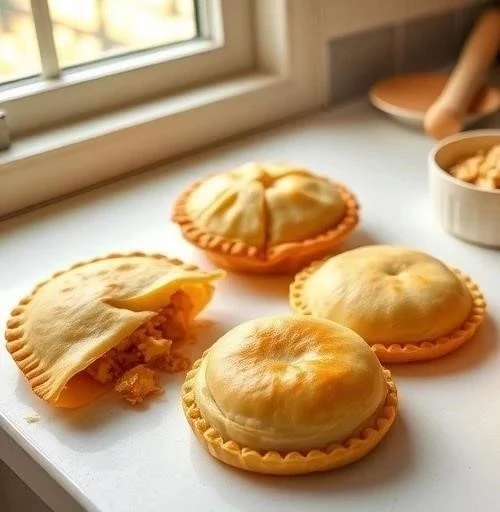
Chicken-pie failures have causes; diagnosing them beats guesswork and makes each correction with clear, sound reasoning.
Start with the dough: explain why yeast dough for pies depends on fresh yeast, proper yeast handling, sufficient proofing, and balanced dough moisture—and why poor technique can leave the dough under-risen, torn, or tough.
Reliable chicken pies begin with sound yeast dough: stale yeast may produce little gas, while overheated liquid can kill active cultures. Mix yeast as directed, measure flour carefully, and add liquid gradually; dough that is too dry tears, while excessive flour makes it tough. Knead until elastic, then allow sufficient proofing in a warm, draft-free place. If the dough does not rise, shaping it early will not fix the cause; check yeast freshness, temperature, and time. Balanced moisture and patient handling matter because rushed proofing and heavy kneading leave pies dense, tough, or prone to tearing. Cover it during its first proof.
Build a juicy filling: compare chicken breast with ground chicken, show how onion improves the chicken filling, and argue that a juicy chicken filling depends on seasoning, moisture, and sensible proportions of dough to filling; explain how to make the filling juicy and avoid a dry filling.
Chicken breast is lean and can dry out, whereas ground chicken retains moisture more readily; either works if cooked gently and not overdone. Finely chopped onion adds both flavor and liquid, so soften it before mixing it with the meat. For a juicy chicken filling, season adequately and add a little broth or pan juices, not excess liquid. Keep the dough-to-filling ratio sensible: too much filling strains each bite, while too little leaves the pies bland. Cool the mixture then judge its texture; it should be moist, not watery. These choices prevent a dry filling because moisture, seasoning, and balanced proportions work together in each portion.
Shape pies securely: describe how to seal chicken pies so the dough does not tear and the filling does not leak; show why overfilling and weak seams can make pies burst during frying and absorb too much oil, especially when making fried chicken pies.
To shape fried chicken pies securely, place a measured portion in the center, leaving a clean border. Do not overfill: pressure stretches the dough, so it may tear and let filling leak out. Fold the edges together, press out trapped air, then pinch firmly along the seam; a weak join can open as pies burst during frying. Keep the seam dry and free of filling, since grease or moisture prevents a reliable seal. This matters because leaking pies can absorb excess oil and become heavy. Check every edge before cooking; careful shaping, rather than extra dough, protects the filling and keeps each pie intact. Use a firm, even pinch on every seam!
Control heat and diagnose the result: compare oven temperature for baked chicken pies with frying temperature, explain how cooking time affects underbaked pies and raw dough inside, and connect each failure to a practical correction—so readers can see how to make chicken pies and avoid the most common preparation mistakes.
For baked chicken pies preheat the oven to 190°C (375°F); a cool oven delays setting, while excessive heat browns the crust before the center cooks. Bake until evenly golden, extending the time if pies are large or pale. For frying, maintain oil near 170–180°C (340–355°F): too cool makes pies greasy, while too hot darkens them before the dough cooks through. If the crust looks done but dough is raw inside, lower the heat and cook longer; if still pale, verify oven temperature and allow more time. A thermometer and doneness checks beat guesswork. Record heat; bad settings mislead, so adjust one variable at a time and check inside too.