
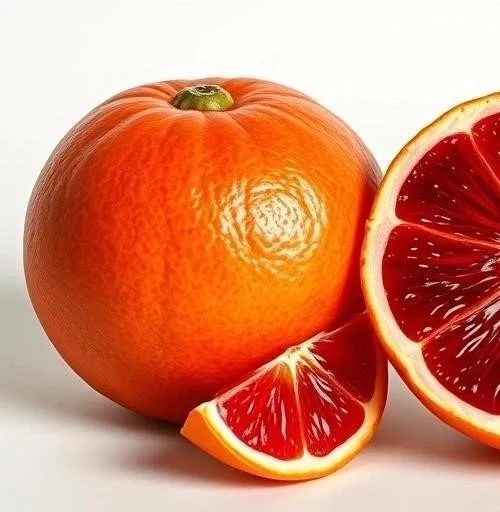
An orange may look red because some varieties produce natural red pigments as the fruit develops․ The best-known examples are blood oranges, whose flesh can range from pink and ruby-red to deep burgundy․ This color is not usually a sign that the fruit is unripe or artificially dyed: it results from the variety’s biology and the conditions in which it grows․
The pigments behind the color
Most oranges owe their familiar orange color to carotenoids, pigments that also occur in carrots and other brightly colored produce․ Blood oranges contain carotenoids too, but they can also accumulate anthocyanins—water-soluble pigments responsible for red, purple, and blue shades in many plants․ In the fruit, anthocyanins may color the juice sacs and sometimes the peel; The balance and concentration of these pigments determine how red an individual orange appears․
Variety and growing conditions both matter
Genetics provide the potential for red pigmentation, but weather helps determine whether that potential becomes visible․ Blood oranges tend to develop stronger red tones when warm days are followed by cool nights during ripening․ These temperature changes encourage anthocyanin production․ In consistently warm conditions, fruit from the same variety may have paler flesh, even though it is still a genuine blood orange․ Light, growing location, and the stage of ripeness can also affect the final shade․
That is why “red orange” does not describe one uniform appearance․ Varieties such as Moro, Tarocco, and Sanguinello differ in how much pigment they typically develop․ A Moro can be strikingly dark, while a Tarocco may show only a reddish blush․ Even oranges from the same tree can vary․ Color is therefore useful as a clue, but it is not a reliable stand-alone test of flavor or quality․
Does red mean the fruit is spoiled?
Not necessarily․ A red or marbled interior is normal for a blood orange, and its taste may be sweet, tart, or berry-like․ However, unusual red discoloration on an ordinary orange’s peel does not prove that it is a blood orange․ If the fruit has fuzzy growth, a soft leaking spot, an unpleasant smell, or an otherwise rotten appearance, treat it as spoiled and discard it․ Natural pigmentation is typically part of the fruit’s flesh, not a patch of mold․
In short
An orange turns red mainly when its variety can produce anthocyanins and ripening conditions support their formation․ The red color is a natural companion to the usual orange carotenoids—not a mysterious transformation․ So a ruby-colored orange is generally best understood as a particular kind of citrus, shaped by both its genes and its growing environment․


9 Comments. Оставить новый
The explanation makes clear why a red interior can be a natural feature rather than a warning sign. Connecting anthocyanins to familiar pigments in other plants also makes the science easier to follow.
The examples of Moro, Tarocco, and Sanguinello add useful context. They show that “blood orange” covers a range of appearances rather than one standard shade.
The article balances botanical information with practical guidance. Its point that ripeness, light, location, and temperature can all affect the final shade gives readers a fuller picture.
The article wisely cautions against using color alone to judge flavor or quality. That is a practical point for shoppers, since appearance can vary even among fruit from the same tree.
I appreciate the distinction between a fruit’s genetic potential and the conditions that influence its color. It helps explain why two blood oranges may look quite different without either being abnormal.
I found the clarification that red coloration is not usually a sign of artificial dye or unripeness especially useful. It addresses a likely concern without overstating what color can tell us.
A clear and informative piece. It explains both why some oranges turn red and why the same variety may not develop the same intensity of color in every growing environment.
The discussion of cool nights and warm days gives a clear reason that growing conditions matter. It makes the variation in red pigmentation feel understandable rather than mysterious.
This is a helpful overview of the pigments involved, especially the contrast between carotenoids and anthocyanins. The explanation stays accessible while still offering meaningful detail.