
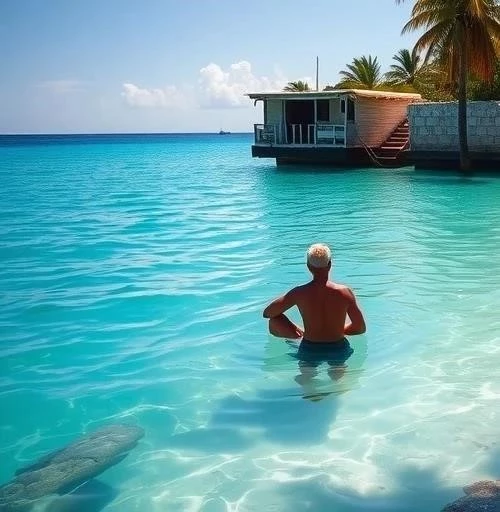
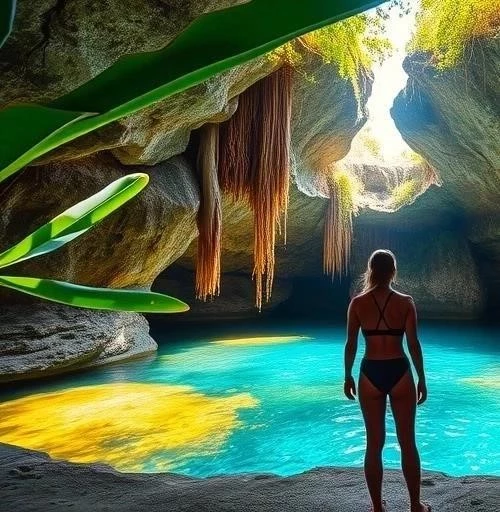
Winter in Yucatán has a secret doorway․ It is not a hotel lobby or a beach club, but a hole in the limestone where sunlight slips underground and turns still water the color of blue glass․ Cenotes—natural wells formed as the peninsula’s limestone roof collapsed—make a warm-weather escape feel like a small expedition․ Travel alone and you can linger as long as you like: listening to bats click overhead, watching roots reach down toward the water, or floating beneath a ceiling older than the road outside․
Why go in winter?
From roughly December through February, Yucatán is generally sunny, warm and less humid than during the summer rainy season․ It is an inviting break from cold weather, though evenings can feel cool and occasional rain or a northerly wind can interrupt the postcard forecast․ The Caribbean Sea is usually pleasant for swimming; cenote water, fed by underground groundwater, may feel refreshingly cool at first․ Pack a light layer, check the forecast close to departure, and treat “winter sun” as a good possibility, not a guarantee․
There is another seasonal advantage: you can alternate worlds․ Spend a morning in the sea, then trade open horizon for a shaded freshwater cavern․ The change is more than scenic․ Many cenotes are quiet refuges from the heat, and a swim can make a long bus ride or a dusty walk feel worthwhile․
Choose a base, then follow the water
Valladolid: the best all-round base
This colorful colonial town sits within easy reach of several cenotes and is a useful stop between Cancún and Mérida․ Cenote Zací is close to the center, so it suits a first swim or a day when you do not want to arrange transport․ For a bigger outing, consider the cenotes near Dzitnup, often visited as a pair․ Go early if you want a quieter atmosphere, and confirm local opening hours and transport options before setting out․
Tulum: jungle-fringed swims and Caribbean air
Tulum makes it easy to combine beaches with freshwater swimming, but its popularity can mean crowds and higher costs․ Gran Cenote is well known for clear water and snorkeling; other nearby sites offer different moods, from open-air pools to cave-like chambers․ Ask whether a cenote is suitable for swimming on the day you visit, especially after heavy rain․ A place that looks close on a map may still require a taxi, bicycle or organized ride․
Mérida: culture with a cenote day trip
Mérida is a rewarding base for food, architecture and slower evenings․ Cenotes around Homún and Cuzamá are often explored as a day trip, with several stops possible in one outing․ Tours simplify logistics for a solo traveler; independent trips can offer more freedom but need advance planning․ Check the return transport before you leave town․ The last ride home is a detail best settled in daylight, not by staring at a dark roadside․
Make a solo day feel effortless
- Pick one cluster, not a checklist․ A single cenote enjoyed slowly beats three rushed stops․ Allow time for transfers, changing and lunch․
- Confirm the practical details․ Check opening times, entry rules, lockers, life-jacket availability and whether card payments are accepted․ Bring some cash for small fees or local transport․
- Plan the way back․ Use reputable buses, collectivos or a prearranged taxi where available․ Save your accommodation address offline, share your itinerary with someone, and avoid relying on the final service of the day․
- Pack light, but thoughtfully․ Swimsuit, towel, water, sandals with grip, a dry bag and a change of clothes cover most visits․ A small flashlight can help in darker caves, but follow site rules and never wander into restricted areas․
Swim gently, leave the cenote beautiful
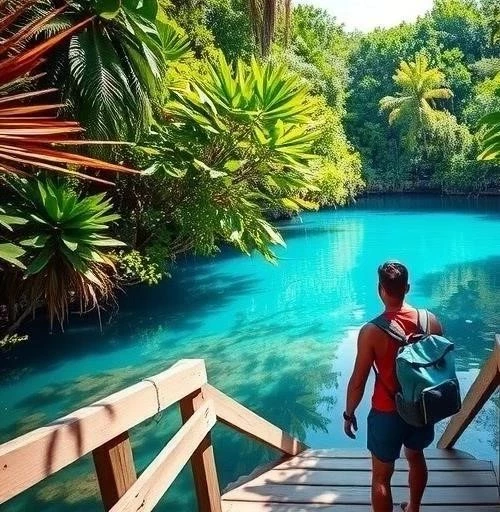
Cenotes are not ordinary swimming pools․ Some are deep, some have submerged rocks, and some connect to cave systems․ Use a life jacket if offered or required; do not dive unless the site explicitly permits it and you are qualified․ Never swim alone in an isolated place․ Follow staff instructions, stay within marked areas and skip the water if you feel unwell or conditions look unsafe․
Before entering, shower if the site provides one․ Avoid sunscreen, insect repellent, hair products and lotions in the water unless the cenote’s rules specifically allow them․ “Biodegradable” does not automatically mean harmless to a delicate freshwater environment․ Do not touch formations, feed wildlife or leave anything behind․ In a cave, voices travel far; keep them low and let the water do the talking․
The little details that change the day
Arriving early often brings softer light and fewer visitors, while late afternoon can turn an open cenote gold․ Bring drinking water, but refill responsibly where safe facilities are available․ Eat before a remote excursion or identify food options in advance; not every swimming spot has a café․ Ask permission before photographing local people, and respect signs about cameras, drones and sacred or restricted areas․ If you are traveling around holiday dates, reserve accommodation and popular tours earlier than usual․
For an easy first solo visit, choose a cenote close to your base, tell someone where you are going, and spend the day learning how the place works․ Then make a longer trip once you know your comfort level․ You do not need to rent a car to have a memorable cenote journey, but flexibility depends on location and season․ Compare the full cost and timing of a tour with independent transport rather than assuming one is always cheaper․
A winter ritual worth keeping
Think of your trip as a sequence, not a race: a warm walk through town, a shaded swim, a simple lunch, then the evening breeze․ Yucatán’s cenotes offer a rare kind of solitude—one that can be shared with other swimmers yet still feel personal․ Come prepared, travel with care, and leave the water as clear as you found it․ When winter waits beyond the airport, that hidden blue doorway is a fine place to begin again․
2 Comments. Оставить новый
A lovely invitation to trade the Caribbean’s wide blue ceiling for limestone’s hidden one. The best detail is the contrast between sea and cenote: two entirely different moods in a single day, like turning a page without leaving the story.
This guide makes a cenote feel less like a swimming spot and more like a quiet conversation with the earth. I especially like the reminder that winter sunshine is a possibility, not a promise—it’s practical advice with its boots still muddy.