
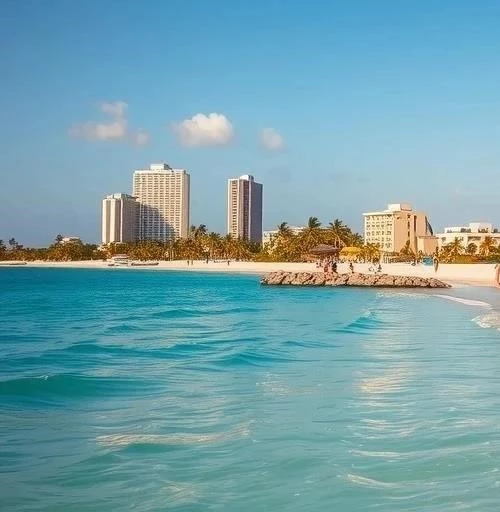
On a map, Playa del Carmen looks like a bright pin on Mexico’s Caribbean coast. On the road, it becomes a sequence of small transformations: airport glass giving way to jungle, the jungle opening onto sea, and a resort town revealing its quieter, working-day heart behind the beach-club music. This is not a race between famous sights. It is a story told in stops, snacks, conversations, and the changing color of the water.
Chapter One: Leave Room for the Road
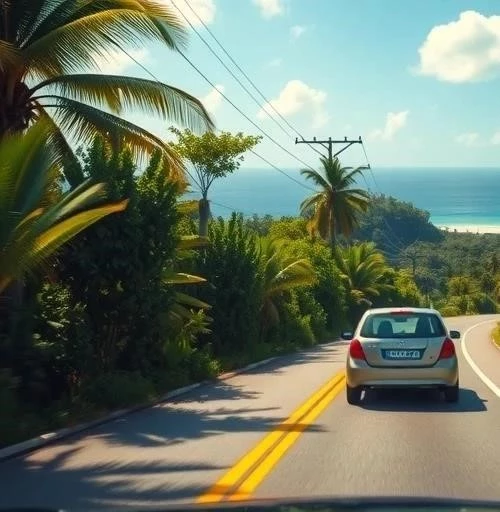
Begin in Cancún, where many visitors land, and resist the urge to turn the drive south into a transfer to be endured. The highway runs through the state of Quintana Roo, past low green forest and settlements whose names invite a pause. A rental car offers freedom, but a bus or prearranged transfer can make the same journey without the responsibilities of driving. Choose according to your comfort, not the fantasy that every traveler needs a steering wheel.
If you drive, collect the car in daylight when possible, inspect it carefully, and confirm insurance details before leaving the lot. Keep your documents accessible, obey posted limits, and plan fuel and rest stops rather than assuming every stretch will offer exactly what you need. Avoid driving tired or after drinking. The road is part of the trip, but it is not a contest; arrive with enough energy to notice where you are.
For a first pause, consider Puerto Morelos, a coastal town with a different tempo from the larger resort centers. Walk toward the waterfront, look at the fishing boats, and order something simple from a local café. Here the sea is not yet a backdrop arranged for a photograph; it is a workplace, a meeting point, and a familiar part of the day. Stay long enough for your shoulders to drop.
Chapter Two: Find the City Behind the Shore
Continue south to Playa del Carmen and check in before wandering. The famous pedestrian avenue, Quinta Avenida, is lively and convenient, but it is only one layer of the town. Follow it toward the beach, then turn away from the brightest signs. A few blocks inland, the soundtrack changes: shop shutters roll up, scooters pass, groceries are carried home, and the evening’s dinner is discussed at ordinary volume.
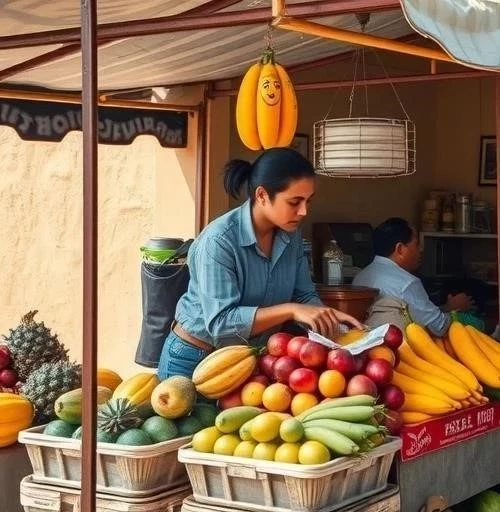
Let the first afternoon be a walking loop rather than a checklist. Start near the central plaza, drift toward the sand, and return by a parallel street. Notice how quickly the town shifts from polished visitor spaces to everyday neighborhoods. Buy fruit from a market, stop for a cold drink, and ask permission before photographing people. A useful travel habit is to spend money with independent cafés, family-run restaurants, and makers whose work you genuinely value—not simply to collect a souvenir.
At the beach, conditions can change with weather and season. Check local flags and advice before swimming, and do not assume that a calm-looking patch is safe. Seaweed can also arrive in varying amounts; it is a natural coastal phenomenon, not a failure of the place to perform. If the shore is not inviting that day, choose a shaded café, a town walk, or a properly managed swimming spot instead.
Chapter Three: A Day Written in Small Scenes
Wake early, before the heat thickens and the streets fill. Take a slow breakfast—perhaps eggs, fruit, tortillas, and coffee—then set aside the middle of the day for shade. The most memorable itinerary may have only three appointments: breakfast with no rush, an afternoon swim or museum visit, and dinner somewhere that locals also use. Leave gaps between them. In those gaps, the trip has room to surprise you.
For a change of scenery, use Playa del Carmen as a base for a carefully chosen excursion. Inland communities, archaeological sites, and freshwater swimming places each call for different preparation. Research opening hours and transport, use authorized guides where appropriate, and follow signs protecting fragile ruins and ecosystems. At a cenote, respect posted rules: some ask visitors to rinse off, avoid sunscreen, or stay within designated areas. These places are not merely beautiful pools; they are part of a living landscape.
Back in town, try dinner away from the busiest stretch. Ask where a dish comes from, what is seasonal, or which salsa is especially hot. A few words of Spanish—buenas tardes, por favor, gracias—can soften the edges of a transaction into a human exchange. You do not need fluency to show attention; You do need patience when a meal takes longer than expected. The evening is not behind schedule; it is becoming itself.
Chapter Four: Travel Lightly, Notice More
Playa del Carmen is both a holiday destination and a home. Keep voices low near residences at night, ask before taking close-up photographs, and treat workers with the courtesy you would want in your own neighborhood. Carry a refillable bottle where safe refill options are available, use reef-conscious products when advised, and avoid touching wildlife or removing shells and plants. Small choices cannot solve every pressure on a destination, but they can make your own footprint less careless.
For getting around, walk when distances and conditions make sense; use licensed taxis or reputable transport services when they do not. Agree on fares or confirm the payment method before setting off. Keep valuables discreet, save your accommodation address, and share your plans if traveling alone. Practical caution is not the enemy of adventure. It is what lets you stay present instead of spending the day solving preventable problems.
The Last Morning
On departure day, take one final walk before the town wakes fully. The sea may be pale blue, silver, or restless green; the bakery may be opening, and someone may be sweeping yesterday’s sand from a doorway. These are not grand attractions, but they are the details that make a route feel inhabited rather than consumed.
Then turn back toward the road. Playa del Carmen is not a single beach or a single avenue, but a meeting of movement and routine: visitors arriving, residents getting on with the day, and the coast continuing on its own terms. If you leave with more than photographs—perhaps a new taste, a remembered greeting, or a slower sense of time—the route has done its work. The best souvenir is not proof that you were here. It is the way you learned to look.
7 Comments. Оставить новый
The best travel advice here may be “stay long enough for your shoulders to drop.” Puerto Morelos comes alive in that single image: less postcard, more pulse.
A refreshing antidote to the checklist holiday. The article makes room for the in-between moments—the changing light, a simple café order, the quiet work of arriving.
I appreciate how the practical road-safety notes sit beside the sensory details without flattening the mood. It’s a travel story with both its eyes open and its feet on the ground.
This guide treats the road like a curtain slowly opening, not a hurdle between airport and beach. I especially liked the reminder that a rental car is an option, not a badge of adventurousness.
The prose has the rhythm of a good road trip: unhurried, observant, and willing to stop for something ordinary. I finished wanting less of an itinerary and more of that attitude.
Quinta Avenida is presented as a layer, not the whole painting. That small distinction gives the piece its most useful invitation: wander beyond the obvious frame.
This article makes travel feel less like collecting destinations and more like learning how a place breathes. The image of the sea as workplace and meeting point is especially memorable.