
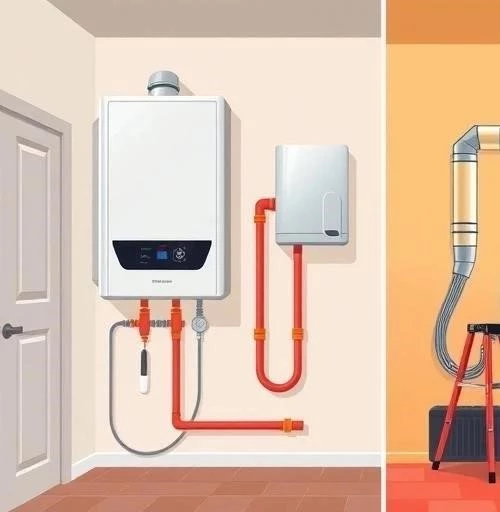
Gas heating is a popular way to provide a home with warmth and hot water. A heating boiler burns natural gas‚ or liquefied gas where a property is not connected to a pipeline‚ and transfers heat to the heating system. Its benefits can be substantial‚ but they depend on safe installation‚ reliable fuel supply and proper maintenance.
Advantages
Convenience is a major strength. Once configured‚ a boiler can maintain a chosen temperature automatically‚ while safety automation monitors operation and can shut the unit down if a fault is detected. Compared with many solid-fuel systems‚ gas equipment needs less frequent attention and does not require regular loading or ash removal. These features make autonomous heating practical for many households.
Modern models can also offer good energy efficiency. Boiler efficiency‚ controls and insulation all affect gas consumption; a high-efficiency unit paired with a well-designed heating system can reduce heating costs. A combi boiler provides hot water supply without a separate storage cylinder‚ saving space. A single-circuit boiler heats the home and can work with an indirect water heater. Wall-mounted boilers suit smaller homes‚ while floor-standing boilers may offer greater capacity for larger properties.
Environmental friendliness of gas heating is another relative advantage: burning gas generally produces less carbon dioxide and fewer particulates than burning coal or some other solid fuels for the same useful heat. However‚ gas remains a fossil fuel‚ and its climate impact is not zero.
Disadvantages and risks
The key drawback is dependence on gas supply. A pipeline connection may be unavailable or costly; liquefied gas requires a tank or cylinders‚ deliveries and additional space. Fuel prices vary‚ so savings on heating are not guaranteed. The real heating cost includes the boiler‚ connection‚ installation‚ fuel‚ inspections and repairs—not just the price of gas.
Installation involves strict safety requirements. Depending on local rules‚ an installation permit may be necessary‚ and gas equipment installation should be handled by qualified professionals. A suitable chimney must remove combustion products‚ while room ventilation must provide adequate air and prevent dangerous accumulation of gas. Poor design or neglected maintenance can create serious hazards. The heat exchanger‚ flue and controls need checks‚ and boiler malfunctions should be investigated promptly rather than repaired casually.
There are also upfront expenses and practical limits: the boiler needs a suitable location‚ compliant flue arrangements and periodic technical maintenance. Its service life depends on water quality‚ workload‚ installation and care; no model lasts indefinitely. Even efficient equipment cannot compensate for heat loss through poorly insulated walls‚ windows or roofs.
How to decide
Compare expected fuel use‚ connection costs and local regulations before choosing. Ask a qualified installer to size the unit for the home‚ assess ventilation and chimney arrangements‚ and explain ongoing service needs. Choose a combi or single-circuit model according to hot-water demand‚ not simply its purchase price. With correct design and maintenance‚ a gas boiler can provide dependable‚ efficient heat. Where supply is uncertain‚ installation is expensive or low-carbon alternatives are practical‚ another heating option may be the better long-term choice.



8 Comments. Оставить новый
The environmental comparison is balanced: gas may produce fewer particulates and less carbon dioxide than some solid fuels for the same useful heat, but it remains a fossil fuel. That qualification is essential for readers weighing long-term environmental impacts.
This is a practical introduction to the trade-offs involved in choosing gas heating. I especially value the reminder to consider the full cost of ownership, including connections, inspections, and repairs, rather than comparing systems by fuel price alone.
The article’s strongest feature is its conditional approach: efficiency, affordability, and safety all depend on the installation and the home’s circumstances. That framing helps readers make a more informed comparison instead of assuming one boiler type is best for every property.
The safety emphasis is well placed. Gas heating can be convenient, but that benefit depends on proper installation, maintenance, and functioning safety controls. Including these conditions prevents the advantages from sounding unconditional.
The article gives a useful overview of the practical advantages of gas heating, especially its convenience and low day-to-day attention requirements. Its reminder that installation, inspections, and repairs contribute to the real cost is important, since fuel prices alone do not determine whether a system is economical.
I appreciate the distinction between combi and single-circuit boilers, as it helps readers understand that equipment should be chosen according to a household’s hot-water needs and available space. The article also appropriately notes that efficiency depends on the wider heating system, not just the boiler model.
The article clearly explains why gas heating can suit households that want an automated system without regular fuel loading or ash removal. It also makes a valuable point that possible savings are not guaranteed, since fuel prices and installation costs vary.
The discussion of liquefied gas is helpful because it shows that homes without a pipeline still face practical considerations such as storage, deliveries, and extra space. These details make the comparison more realistic than focusing only on the convenience of automatic heating.