
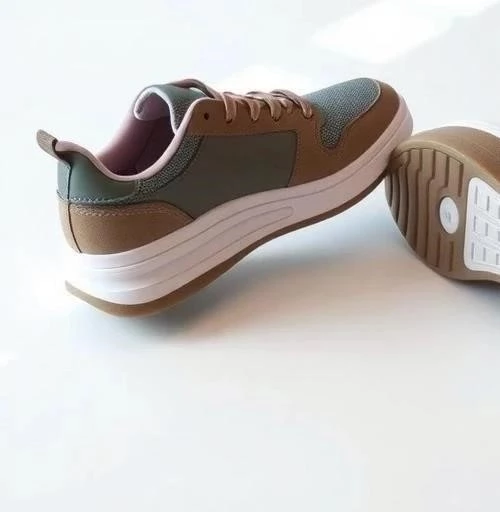
Choosing shoes for a wide foot can be difficult, especially when the intended use is skateboarding․ HOKA is best known for running and walking footwear, not shoes built specifically for skateboarding․ Its cushioning and fit may appeal to some people who skate, but a running shoe is not automatically a safe or durable substitute for a skate shoe; This guide explains how to assess HOKA models for a wider foot, what their design can and cannot offer on a skateboard, and how to make a careful choice․
First, clarify what “skater shoes” means
The phrase can refer to shoes worn by skateboarders or, more loosely, to casual sneakers with a skate-inspired appearance․ The distinction matters․ Skateboarding puts repeated friction and impact on the upper, toe, sides, and sole․ Skate shoes are generally made with board feel, grip, and abrasion resistance in mind․ HOKA running shoes are designed primarily for forward movement on roads or trails․ Their shape, cushioning, outsole, and upper may suit walking or everyday wear, but they are not engineered around the same demands․
If you want a shoe for actual skating, prioritize a purpose-built skate model in a suitable width․ If you want a cushioned sneaker for commuting, walking to a skatepark, or casual wear, a HOKA may be worth trying․ Some people may also choose to skate in running shoes, but that is a personal compromise: a thick, soft midsole can reduce board feel, while a running-shoe upper or outsole may wear more quickly under skateboarding friction․
What a wide-foot fit should feel like
A shoe can feel roomy at the heel yet still pinch at the forefoot․ Check the entire fit rather than relying on a general “wide” label․ With the shoe laced as you would normally wear it, your toes should be able to spread and move without pressing against the sides․ The widest part of your foot should sit comfortably within the widest part of the shoe․ There should be no sharp pressure over the little toe, bunion area, or top of the forefoot․
- Length: Leave a small amount of space in front of the longest toe, while keeping the foot from sliding forward․
- Width: Look for pressure-free room across the ball of the foot․ A longer size is not a reliable fix for a shoe that is too narrow․
- Heel: The heel should feel secure without painful rubbing or a need to overtighten the laces․
- Instep: The upper and lacing should not press uncomfortably across the top of the foot․
- Movement: Walk, turn, and bend your knees in the shoes․ Your foot should not spill over the midsole or shift around inside․
Feet can swell during the day, after exercise, or in warm weather․ When possible, try shoes later in the day and wear the socks you expect to use․ If one foot is larger, fit the larger foot first․ A comfortable fit should not depend on hoping that tight materials will stretch substantially; many technical uppers give only modestly․
Understanding HOKA width options
HOKA offers different widths in some models and markets, but availability varies by style, size, retailer, and season․ A width marked “Wide” or “2E” may provide more room through parts of the shoe than the standard version; it does not guarantee that every area will suit every foot․ The shape of the toe box, volume over the instep, heel hold, and internal construction can differ between models even when the labeled width is the same․
Check the product listing for the exact width and model version rather than assuming that every color or size is offered in a wide fit․ Retail listings may use inconsistent wording, so confirm the manufacturer’s sizing information when available․ Width labels are not perfectly interchangeable between brands․ A size that fits in a wide HOKA may not match the fit of a wide skate shoe from another company․
Do not buy a standard-width shoe that feels painfully tight on the assumption that sizing up will solve the problem․ Going longer can move the flex point away from the natural bend of the foot and leave excess space at the toe․ If a wide option is unavailable, compare another model with a more accommodating shape or select a different brand․ Comfort, control, and stable foot placement are more useful than a particular logo․
HOKA design features and their relevance to skating
Cushioning and stack height
Many HOKA models are associated with substantial cushioning․ That can feel comfortable during long walks and may soften ordinary impact, but a high, soft platform is not necessarily an advantage on a skateboard․ It can place the foot farther from the deck and make precise feedback less direct․ A tall sole may also feel less stable to someone accustomed to flatter skate shoes․ There is no universal preference: some users value cushioning, while others want a closer connection to the board․ Try the shoe in a controlled setting before considering it for skating․
Rockered sole geometry
Some HOKA designs use a curved sole profile intended to support a smooth transition during walking or running․ That geometry is developed for forward gait, not for the many lateral adjustments and foot positions used on a board․ It may feel natural to one wearer and unfamiliar to another․ Pay attention to whether the shoe feels planted when standing, shifting weight, and bending the knees․ A shoe that feels unstable on flat ground is unlikely to become more confidence-inspiring on a moving board․
Outsole grip and durability
Running outsoles are designed for their intended surfaces and may not offer the same board contact or abrasion resistance as skate-specific rubber․ Skateboarding can quickly wear through exposed areas, especially at the toe and sides․ Tread patterns and rubber compounds differ across HOKA models, so do not assume that a visually grippy outsole is suitable for gripping grip tape․ If you skate regularly, inspect wear often and avoid relying on a sole that is visibly damaged or separating․
Upper construction and protection
Lightweight mesh can be comfortable and breathable, but it may be vulnerable to tearing or abrasion from grip tape․ Reinforced overlays can help with ordinary wear but do not make a running shoe equivalent to a skate shoe․ A skate-specific upper often uses construction intended to handle repeated contact in high-wear zones․ Check the toe, inner side, and lace area for thin fabric or exposed seams․ If you choose HOKA for casual wear around a skatepark, that may be less important; for active skating, it is a practical limitation․
How to compare models
Rather than selecting by model name alone, compare the current product specifications and try-on fit․ HOKA updates designs, and features can change between generations․ A model name by itself does not establish that a shoe is offered in a wide width or that its fit will match a previous version․ Use these steps:
- Measure both feet․ Measure length and width while standing, preferably with help, and note which foot is larger․ Use the brand’s current size chart as a starting point, not as a guarantee․
- Filter for the exact width․ Confirm that the listing identifies the specific size and width you need․ Check the retailer’s return conditions before ordering․
- Read the intended-use description; A road-running or walking model should not be mistaken for skateboarding footwear just because it looks like a sneaker․
- Try both shoes on․ Lace them securely, stand, walk, and test whether the forefoot remains comfortable․ Do not judge fit while seated only․
- Assess board-specific trade-offs․ If you intend to skate, consider sole height, stiffness, lateral stability, outsole contact, and likely wear, as well as width․
- Test gradually․ If you decide to use the shoes on a board, begin in a safe, controlled area and stop if the fit, grip, or stability feels unreliable․
Lacing and fit adjustments
Lacing can relieve mild pressure across the instep, but it cannot create extra width in the shoe’s structure․ A “window” or skip-lacing pattern leaves a gap over a pressure point while keeping other sections secure․ Try adjustments only if the shoe already fits well in length and does not squeeze the sides of the forefoot․ Avoid loosening the laces so much that the heel lifts or the foot slides․ For skating, secure heel hold is especially important because excess movement can interfere with control․
Socks can change the feel of a shoe․ A thinner sock may help with slight volume issues, but it should not be used to disguise substantial pinching․ Likewise, thick socks can increase pressure in a close-fitting upper․ Orthotic inserts may alter internal volume and heel position; if you use one, test the shoe with that insert in place․ Remove a factory insole only if doing so is compatible with the shoe’s design and your comfort needs․
Common mistakes to avoid
- Assuming “wide” means universally wide․ Different feet need room in different places, and model shapes vary․
- Choosing extra length to gain width․ This can make the shoe unstable and cause sliding or rubbing․
- Equating cushioning with skate suitability․ Cushioning does not ensure board feel, grip, or abrasion resistance․
- Relying on appearance․ A low-profile look does not prove that a shoe is made for skating, and a running silhouette may conceal a tall midsole․
- Ignoring the return policy․ Online sizing is uncertain; check whether unworn shoes can be returned or exchanged․
- Continuing through pain․ Persistent numbness, burning, pinching, or rubbing indicates that the fit or use may be unsuitable․
When HOKA may be a reasonable choice
HOKA may be appropriate if your main needs are a wide-fit option, cushioning for walking, and a casual sneaker for everyday use․ It can also be considered for travel to and from a skate session, when you are not doing tricks or putting the shoe through repeated grip-tape contact․ Someone who skates only occasionally might choose to experiment with a pair, provided they understand the limitations and feel stable in it․ These are personal-use scenarios, not a statement that HOKA footwear is designed or tested for skateboarding․
If you skate frequently, perform tricks, or need a shoe that can withstand repeated abrasion, a purpose-built skate shoe is generally the more direct match․ Look for models that are actually sold in a width that accommodates your foot, or try brands and lasts known to suit your shape․ Skate shoes may feel firmer and flatter than HOKA running shoes; that difference is often part of their intended design rather than a defect․ A wide forefoot should still be comfortable, with no painful compression․
Care and wear checks
After use, inspect the outsole, toe, sidewalls, seams, and areas that contact grip tape․ Uneven wear can affect comfort and control, while a split upper or loose sole may allow the foot to move unpredictably․ Replace footwear when structural damage compromises fit or function, rather than waiting for a hole to become large․ Keep shoes dry between sessions and follow the manufacturer’s cleaning guidance; aggressive heat or unsuitable solvents can damage materials․ Care may slow ordinary deterioration, but it cannot turn a running shoe into a skate-specific design․
Bottom line
For wide feet, the right HOKA is the model and width that fits the individual foot without squeezing, slipping, or forcing a longer size․ Verify current width availability, assess toe-box shape and heel hold, and try the shoe with your usual socks or orthotic․ For walking and casual wear, HOKA cushioning may be appealing․ For actual skateboarding, weigh the high or soft platform, running-oriented outsole, and possible upper wear against your need for grip, board feel, and durability․ If those factors matter, choose a wide-fitting shoe designed for skating; if you still prefer HOKA, test it cautiously and treat comfort and control as separate questions․
6 Comments. Оставить новый
The advice to prioritize a purpose-built skate shoe for actual skating is clear, while still recognizing that HOKA footwear may suit walking or casual use.
The discussion of cushioning and board feel presents a relevant trade-off for people considering running shoes for skateboarding.
The article gives a practical reminder that a wide fit should be assessed across the forefoot, not just by how roomy the heel feels.
The distinction between shoes designed for skateboarding and shoes with a skate-inspired look is useful. It helps clarify why a running shoe may not meet the demands of actual skating.
The fit guidance is straightforward and encourages readers to check for pressure around the toes and sides rather than relying only on a width label.
This introduction sets reasonable expectations about what HOKA shoes are designed for and gives readers a useful basis for comparing their needs.