
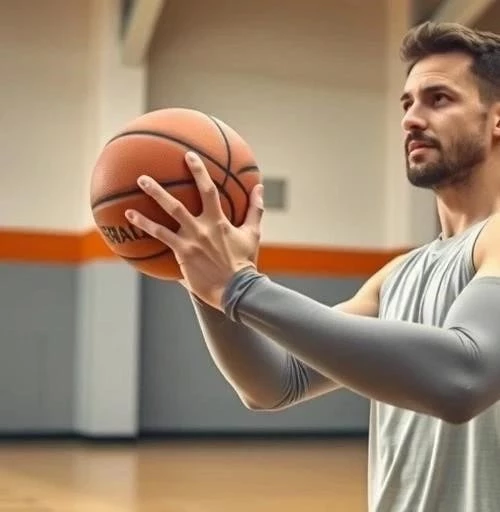
Basketball arm sleeves are the snug, stretchy garments players wear over part or all of an arm. Some cover the upper arm and elbow; others extend from the biceps to the wrist. They have become a familiar sight in professional and recreational basketball, but they are more than a fashion choice. A sleeve can offer light compression, manage sweat, reduce rubbing, and help a player feel comfortable and focused. Its value depends on the player, the fit, and the conditions of play.
Comfort and a consistent feel
A well-fitting sleeve provides gentle, even pressure around the arm. Some athletes enjoy that sensation because it makes the arm feel supported and helps them stay aware of its position while shooting, passing, or defending. The fabric can also reduce irritation from repeated contact with a jersey, skin, or the floor. For a player who dislikes the feel of sweat running down an arm, a sleeve may make play more comfortable.
These effects are personal: not everyone likes compression, and a sleeve does not automatically improve a player’s movement or performance. The best test is simple—try it during practice and see whether it feels comfortable without distracting you.
Sweat management
Basketball involves short bursts of intense movement, and gyms can get warm. Many sleeves are made from moisture-wicking synthetic fabric that draws sweat away from the skin and spreads it across the material so it can evaporate. This may help an arm feel less damp and reduce the annoyance of sweat dripping toward the hand. It does not keep a player cool in every setting, however. A thick or poorly ventilated sleeve can feel hot, so lightweight, breathable fabric is often preferable.
A little protection from scrapes
The sleeve creates a thin barrier between skin and the court, another player’s uniform, or incidental contact. It may help prevent minor abrasions and lessen friction when an arm brushes against a surface. Players recovering from a small scrape sometimes choose a sleeve to cover the area, provided the skin is clean and the fabric does not cause irritation.
A sleeve is not protective armor. It cannot reliably prevent bruises, fractures, sprains, or other significant injuries, and it should not be used to disguise an injury that needs attention. Compression garments are not a substitute for medical advice, rehabilitation, or appropriate protective equipment.
Warmth and muscle comfort
In a cool gym or during warm-ups, a sleeve can help keep the arm covered between drills or while a player waits on the bench. Some athletes also say that compression makes their arm feel less stiff after exertion. Responses vary, and a sleeve should not be treated as a proven way to prevent fatigue or speed recovery. If it feels too tight, restricts motion, or causes tingling, numbness, or unusual discomfort, take it off.
Confidence and personal style
For many players, the psychological benefit is part of the appeal. A familiar sleeve can become part of a pre-game routine, offer a sense of readiness, or simply match a team’s uniform. Players also use sleeves to express personal style. Confidence can make a routine feel more comfortable, but the sleeve itself does not guarantee better shooting, stronger defense, or a higher level of play.
Choosing and wearing one
- Get the fit right. The sleeve should lie smoothly against the arm without sliding, bunching, or squeezing painfully. Check the manufacturer’s sizing guide and measure the arm if needed.
- Choose suitable fabric. Breathable, moisture-wicking material is useful for long practices. Consider seams and fabric texture if your skin is sensitive.
- Think about coverage. A shorter sleeve may cover the elbow; a longer one may reach the wrist. Pick the length that feels comfortable and does not interfere with your grip or movement.
- Follow league rules. Uniform and equipment requirements differ. Check with a coach or competition organizer about permitted colors and designs.
- Keep it clean. Wash the sleeve regularly according to its care label, and let it dry fully. Clean fabric is more comfortable and helps limit odor and skin irritation.
So, is a basketball sleeve necessary?
No. Many excellent players never wear one, and a sleeve is not essential equipment for playing basketball. It can be useful if you like its gentle compression, want a layer that manages sweat or reduces rubbing, prefer extra coverage for minor scrapes, or simply feel more confident wearing it. If it distracts you, overheats your arm, or feels restrictive, there is no reason to keep using it.
In short, a basketball arm sleeve is an optional comfort and style accessory with modest practical benefits. Choose one for a specific need, make sure it fits well, and judge it by how it feels during real practice—not by promises that it will prevent injuries or transform your game.

5 Comments. Оставить новый
The practical advice about trying a sleeve during practice is helpful. Fit and breathability seem just as important as the compression itself.
A useful guide for anyone considering an arm sleeve. The emphasis on choosing lightweight fabric and paying attention to personal comfort makes sense.
This explains the everyday benefits without overstating what a sleeve can do. The sweat-management section is particularly useful for players in warm gyms.
A clear, balanced look at basketball arm sleeves. I especially appreciate the reminder that comfort and performance effects vary from player to player.
I like that the article distinguishes minor comfort and abrasion protection from guaranteed athletic improvement. It gives readers realistic expectations.