
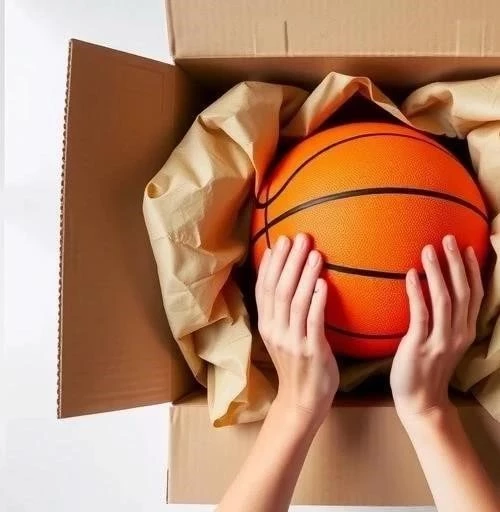
Packing a basketball properly is about more than making it fit in a box. A ball can be scuffed‚ punctured‚ or deformed if it is pressed against hard objects or allowed to move around during transport. The safest method is simple: protect the surface‚ control movement‚ and choose packaging strong enough for the journey. Whether you are moving house‚ sending a gift‚ or shipping a ball to a team‚ a few careful steps can prevent avoidable damage.
Clean and inspect the ball
Wipe the basketball with a soft‚ slightly damp cloth‚ then let it dry completely; This matters because grit trapped under wrapping can rub against the cover and leave marks. Check the seams and valve for damage before packing; a box will not repair an existing leak. If the ball is wet‚ dirty‚ or sticky‚ do not wrap it yet. Moisture sealed inside packaging can affect the material and may transfer dirt to other items.
Decide whether to reduce the air pressure
For ordinary travel or storage‚ a basketball usually does not need to be deflated. Keeping it inflated helps it retain its shape‚ and removing air without a reason creates extra work when it is time to play. However‚ a carrier‚ airline‚ or specific shipping service may have rules about sports equipment or pressurized items. Check the applicable requirements before sending the ball. If partial deflation is required or useful to make it easier to pack‚ use a proper pump needle and release only enough air to soften the ball slightly. Do not squeeze it flat: prolonged compression can distort its shape and stress the seams.
Protect the surface
Wrap the ball in clean packing paper‚ a soft cloth‚ or several layers of bubble wrap. Cover the entire surface‚ giving extra attention to the valve and raised seams. Secure the wrapping with a small amount of tape placed on the wrapping itself. Never stick adhesive directly to the basketball. Tape can leave residue‚ pull at the outer material‚ or damage a textured finish when removed. A reusable fabric bag can provide a first protective layer‚ but it should not replace cushioning if the ball will be shipped.
Choose a suitable box
A sturdy‚ corrugated cardboard box is usually the best choice. Select one that leaves a little room around the wrapped ball for cushioning‚ but not so much room that the ball can roll freely. An oversized box is not automatically safer: extra empty space allows movement and may increase shipping costs. A box that is too tight is also a poor choice because pressure on the ball can deform it. If you do not have a suitable box‚ ask a sporting-goods or shipping shop for one rather than forcing the ball into a container that is the wrong size.
Cushion it so it cannot move
Place a layer of crumpled packing paper‚ foam‚ or other clean cushioning material at the bottom of the box. Set the wrapped ball in the centre and fill the gaps around it. The aim is to hold it firmly in place without compressing it. Shake the closed box gently: if you hear or feel the ball shifting‚ add more cushioning. Avoid using loose‚ sharp objects or heavy items as fillers. Do not pack shoes‚ tools‚ or other hard equipment against the ball unless each item is separately protected and firmly secured.
Close and label the package
Close the flaps and seal every opening with strong packing tape‚ including the centre seam and the edges. For a valuable or long-distance shipment‚ reinforce the bottom as well as the top. Attach the address label flat and make sure it is readable; place a copy of the destination details inside the box in case the outer label is damaged. “Fragile” or “sports equipment” labels may help communicate the contents‚ but they are not a substitute for proper cushioning. Keep the ball’s pump or accessories in a separate pouch so they cannot scratch it.
For travel‚ storage‚ and gifting
If you are carrying the ball yourself‚ a sports bag can be enough for a short trip‚ provided it is not packed tightly beside sharp or heavy objects. For long-term storage‚ keep the ball clean‚ dry‚ and away from direct heat or sunlight; do not leave heavy items stacked on top of it. For a gift‚ decorative paper should go outside the protective box‚ not directly against an unwrapped ball. In every case‚ the key principle is the same: cushioning prevents impact‚ while a well-fitted container prevents movement. Taking a few minutes to pack carefully is more reliable—and often less costly—than trying to fix a damaged ball later.
4 Comments. Оставить новый
This is a useful guide for anyone packing a basketball for travel or shipping. Its strongest point is distinguishing ordinary storage from situations where a carrier may impose specific rules, while still recommending careful handling in either case.
The advice is straightforward and supported by clear reasons, which makes it easy for readers to follow. A brief note about choosing a box with enough room for cushioning would complement the article’s focus on protecting the surface.
The article gives practical, well-organized advice and clearly explains why protecting the ball from dirt, moisture, and pressure matters. The guidance on deflation is especially useful because it avoids treating it as a one-size-fits-all step.
I appreciate the balance between preserving the basketball’s shape and checking carrier requirements. The warning not to apply tape directly to the ball is also a helpful detail that could prevent damage during unpacking.