
Freezing is a practical way to save oranges when you have more than you can use. It slows spoilage and preserves much of the fruit’s flavor, although it does change the texture: after thawing, orange segments are softer and less suitable for eating as if freshly peeled. They remain excellent for smoothies, sauces, baking, and drinks. Choose a method according to how you plan to use the fruit.
Before you begin
Select sound, ripe oranges without mold, damaged skin, or soft, leaking spots. Wash them thoroughly under cool running water and dry with a clean towel. This matters even if you intend to peel the fruit, since a knife or your hands can transfer dirt from the rind to the flesh. Prepare clean freezer-safe bags or airtight containers, and label them with the date.
Method 1: Freeze peeled segments
- Peel the oranges and remove as much white pith and any seeds as you wish. Separate the fruit into segments.
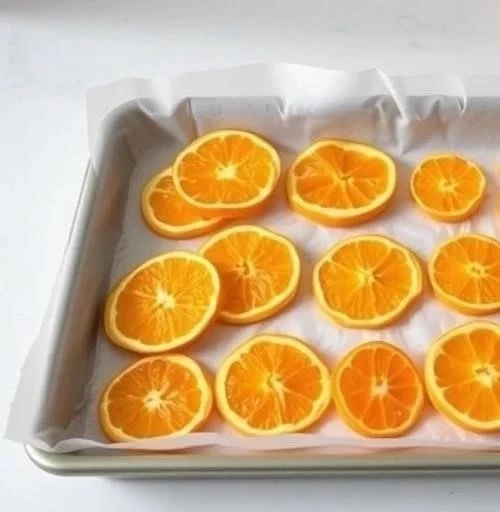
- Arrange the segments in a single layer on a baking sheet lined with parchment. Keep them apart so they do not freeze into one solid clump.
- Freeze until firm, usually a few hours. Transfer the segments to a freezer bag or airtight container, press out excess air, seal, and return them to the freezer.
This method is the most convenient for smoothies and portioned snacks: you can take out only what you need. The initial tray-freezing step takes extra time, but it makes the fruit easier to separate later.
Method 2: Freeze whole or sliced oranges
For the simplest option, freeze a washed, thoroughly dried orange whole in a freezer bag. Alternatively, peel it and freeze slices or segments in a sealed container. Whole fruit takes up more space and is harder to portion, but it can be useful when you plan to grate the frozen rind or use the fruit in cooked recipes. If freezing slices, arrange them in layers separated by parchment to prevent sticking.
Method 3: Freeze juice or zest
Squeeze the oranges and pour the juice into ice-cube trays, leaving a little room for expansion. Once solid, move the cubes to a labeled freezer bag. Freeze zest separately in a small airtight container; grate only the colored outer rind, avoiding the bitter white pith. Keeping juice and zest in small portions reduces waste and makes them easy to add to recipes.
Storage and thawing
Keep oranges at 0°F (-18°C) or colder. For best flavor and quality, use frozen fruit within about three to four months. It may remain safe longer if continuously frozen, but its taste and texture can decline. Thaw portions in the refrigerator, or add frozen pieces directly to smoothies and cooked dishes. Do not thaw them on the counter for long periods. Once thawed, use promptly and do not refreeze fruit that has been left warm.
What to expect
Freezing does not make an orange identical to fresh fruit: ice crystals soften its cells, so thawed segments can release juice and feel mushy. That is why freezing whole oranges is not the best choice for a fresh fruit platter. For salads or garnish, use fresh oranges; for drinks, sauces, marinades, and baking, frozen oranges are a useful, low-waste alternative. Airtight packaging is essential because it limits freezer burn and prevents the fruit from absorbing odors.

4 Comments. Оставить новый
The advice is clear and realistic about the trade-offs: freezing saves fruit and preserves much of its flavor, but changes its texture. The suggestions about removing excess air and labeling containers also make the methods easier to use successfully.
The article gives useful, practical guidance, especially the explanation that frozen oranges soften and are better suited to smoothies or cooked recipes than to eating fresh. The tray-freezing tip is also helpful because it keeps segments easy to portion.
The comparison of freezing methods helps readers choose based on how they plan to use the oranges. It would be useful to include the remaining instructions for freezing juice or zest, since that section currently ends mid-sentence.
I appreciate the food-preparation advice to wash and dry the oranges even when peeling them. That detail makes the instructions more thoughtful, since handling the rind can transfer dirt to the fruit.