
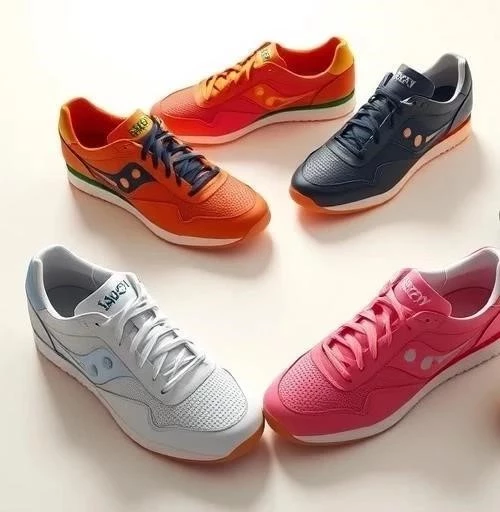
Finding a comfortable Saucony shoe for a wide foot is possible, but there is an important distinction: Saucony is primarily a running-shoe brand, not a specialist in tennis-court footwear. A roomy fit can make a shoe more comfortable, yet it does not automatically provide the lateral support, outsole durability or court-specific grip needed for frequent tennis. The models below are therefore best understood as strong options for walking, training and running—or for occasional, low-intensity court use after a careful fit check.
What to look for in a wide fit
Do not judge width by the shoe’s appearance alone. Check whether the exact model and size are offered in a wide option, since availability varies by country and season. A shoe should hold the heel securely while leaving the toes room to spread; pressure at the little toe, numbness or bulging over the midsole are signs that the fit is too narrow. Trying shoes on late in the day, with the socks you plan to wear, gives a more realistic fit test.
Saucony Echelon
Best overall for a broad, stable platform. The Echelon is a sensible first model to try if standard running shoes feel cramped. Its broad, comparatively steady platform suits walkers and runners who value a secure base more than a slim, lightweight feel. It is also a practical choice for people who use supportive insoles, though the insole and shoe should be tested together. For tennis, that stable base is a plus, but it does not make the Echelon a court shoe: repeated side-to-side cuts can demand more lateral structure than a running design provides.
Saucony Ride
Best versatile everyday option. The Ride line offers a balanced feel for daily runs and general training. Look for a version explicitly sold in a wide width if the regular fit pinches across the forefoot. Compared with a more cushioned model, the Ride may feel less bulky, which some players prefer for light movement. The trade-off is that comfort and a roomy fit cannot compensate for an outsole not designed for hard court abrasion. Choose it for mixed everyday use, not intensive matches.
Saucony Triumph
Best for soft cushioning. The Triumph is worth considering if long walks or easy runs leave your feet tired and you want a plush ride. Its cushioning can be appealing to heavier runners or anyone who prefers a softer landing. However, extra softness may feel less precise during quick direction changes, and a cushioned shoe is not necessarily a more stable shoe. Confirm that the particular edition comes in your required width, then check that your foot does not slide inside when you move sideways.
Saucony Guide
Best for runners who want guidance. The Guide is designed with supportive running in mind, making it a candidate for people who prefer a more guided ride. It may work well for walking and straight-ahead training when the available width accommodates the forefoot. Still, “supportive” in running does not mean “tennis-specific”: tennis movement involves abrupt lateral loads, so the fit must remain locked in place and the shoe should not roll or shift during a gentle side-step test.
Saucony Hurricane
Best for maximum cushioning and support. The Hurricane is a higher-cushioning option for people who want a substantial, supportive running shoe. Its comfort can be attractive for everyday wear, but its bulkier feel may not suit players who want rapid court movement. Consider it for walking, recovery and easy running; be cautious about using it for regular tennis, particularly on abrasive outdoor courts.
How to choose
- For the roomiest, steady feel: start with the Echelon.
- For a balanced daily trainer: compare the Ride in wide sizing.
- For soft cushioning: try the Triumph or Hurricane, checking for excess movement.
- For guided running support: test the Guide and verify that the fit is secure.
Model names and available widths change, so check the current product listing rather than assuming every version is offered in wide; A wide size should relieve pressure across the forefoot without making the heel loose; going up in length is not a reliable substitute for extra width.
Verdict
For wide feet, the Saucony Echelon is the strongest starting point because its broad, stable character is well suited to comfort-focused use. The Ride is a more versatile alternative, while the Triumph and Hurricane prioritize cushioning and the Guide offers a more guided running feel. But if you play tennis regularly, the most important recommendation is to choose a dedicated court shoe in a genuinely wide fit. Saucony comfort may work for casual activity, yet court-specific stability and durable grip matter more than brand loyalty once fast lateral movement is involved.
9 Comments. Оставить новый
The advice to check the exact model and size for a wide-width option is valuable. Availability can vary, and a wide version of one shoe does not mean every shoe in the same product line will fit identically.
The article is appropriately cautious about lateral support. Running shoes can feel stable when walking or moving forward, but tennis places different demands on footwear, so readers should not assume a broad platform is enough for frequent play.
The explanation of the Ride as a versatile everyday option is sensible, particularly for people who want a less bulky feel. The caveat about court use is equally important: a comfortable forefoot does not guarantee enough support for sharp lateral movement.
I appreciate the practical fit checks, especially the reminder to try shoes on with the socks you plan to wear. Those details make the guidance more useful than relying on a model name or a shoe’s appearance.
The comparison between the Echelon and Ride gives readers a helpful starting point while recognizing that individual fit varies. Trying both models, when possible, seems more reliable than choosing based on cushioning or platform shape alone.
The distinction between a roomy running shoe and a true tennis shoe is important. The article avoids suggesting that width alone makes a model suitable for court play, which is useful advice for readers choosing shoes for more than occasional tennis.
This is a balanced guide because it presents the Echelon as a possible fit for people seeking a broad base without calling it a dedicated court shoe. That distinction helps readers weigh comfort against sport-specific needs.
The signs of a poor fit—pressure near the little toe, numbness and bulging over the midsole—are clear and easy to apply. I would use these checks before deciding that a shoe is suitable just because it is labelled wide.
Overall, this excerpt sets realistic expectations rather than promising a perfect tennis shoe from a running-focused brand. Its fit advice and clear warnings should help readers make a more informed choice for walking, running or occasional light court use.