
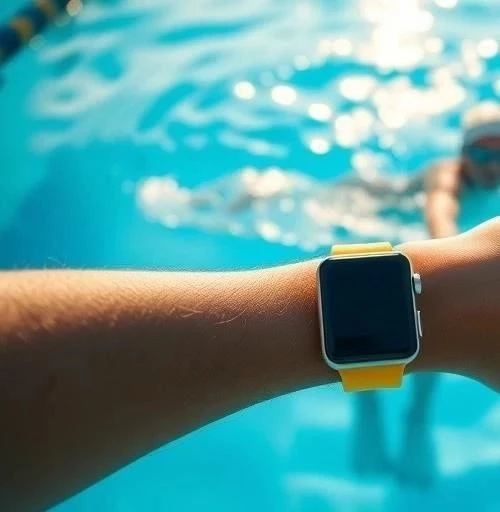
Short answer: you can swim with Apple Watch Series 7․ It is water-resistant to 50 metres under ISO standard 22810:2010, and Apple designed it for shallow-water activities such as swimming in a pool or the sea․ But “50 metres” is a rating, not an invitation to take the watch 50 metres underwater․ Think of it as a capable swimming companion—not a miniature dive computer․
What “water-resistant to 50 metres” really means
The number describes how the watch performs in controlled tests․ It does not mean that every real-world activity at that depth is safe․ Water pressure changes with movement, and fast-moving water can put more stress on the seals than calm water․ Series 7 is suitable for ordinary swimming; it is not intended for scuba diving, waterskiing, high-velocity water, or other activities involving deep submersion or strong impact․
That distinction matters because water resistance is not permanent․ The watch has seals that protect its interior, and those seals can weaken over time․ A hard drop, a cracked screen, repairs, or ordinary wear may reduce protection—even if the watch looks perfectly fine․ No smartwatch is invincible just because its specifications include a reassuring number;
Pool, ocean, shower: what’s okay?
- Pool swimming: Yes․ Start a Pool Swim workout and enter the pool length so the watch can estimate your laps and distance․
- Swimming in open water: Yes, for normal surface swimming․ An Open Water Swim workout can track the session, though GPS results may vary with conditions and how often your arm is above water․
- Sea swimming: Generally okay, but rinse the watch with fresh, clean water afterward and dry it carefully․ Salt and sand are not ideal long-term companions․
- Showering: Best avoided when possible․ A shower may not seem dramatic, but soap, shampoo, conditioner, oils, and hot water can affect seals and finishes․
- Diving and fast water sports: No․ Choose equipment designed and rated for those activities instead․
A splash, a rainy walk, or a sweaty workout is not the same as repeated exposure to detergents, steam, or forceful water․ If your routine involves a hot tub, sauna, or steam room, take the watch off․ Heat and vapor are a different challenge from a calm swim․
Water Lock: a screen’s “do not disturb” sign
Before swimming, open Control Center and tap the water-drop icon to turn on Water Lock․ You can also start a swimming workout; Water Lock is enabled automatically․ While it is on, the display will not respond to ordinary taps, helping prevent water from triggering accidental touches․
Water Lock does not make the watch more waterproof․ The watch’s design provides its water resistance; the feature simply guards the screen during a wet activity․ When you finish, turn the Digital Crown until the display indicates that the watch is unlocked․ The watch plays a series of tones to help clear water from the speaker․ That little chirp is useful, not a sign that something has gone wrong․
After the swim: a quick care routine
- Unlock Water Lock and let the speaker-clearing sound finish․
- If the watch has been in a pool or the ocean, gently rinse it with fresh, lukewarm water․ Do not use soap or cleaning sprays․
- Dry the watch and band with a soft, lint-free cloth․ Let everything air-dry before charging․
- If water is visible around the microphone or speaker, give it time to evaporate․ Do not poke openings with a pin, insert anything into them, or use compressed air․
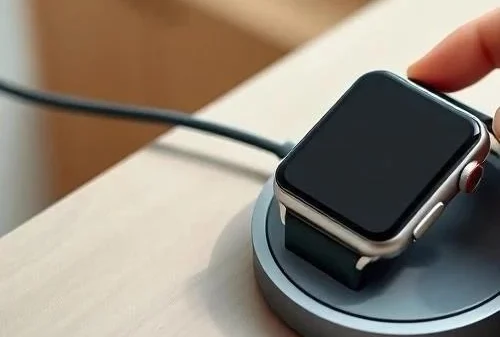
Never charge the watch while it is wet․ Wipe it dry first, including the back and the charging surface․ Also avoid shaking it aggressively or using heat to speed up drying; a towel and patience are less exciting, but much safer․
So, should you take it swimming?
Yes—if you mean a regular pool session or a surface swim, and your Series 7 is in good condition․ Use the swimming workout, enable Water Lock when appropriate, rinse away chlorine or salt, and dry the watch before charging․ Skip deep diving, high-speed water, hot showers, and water exposure if the case or screen is damaged․
One final reality check: water resistance is protection, not a lifetime guarantee․ If your watch has suffered a serious impact, has been repaired, or shows damage, do not test its seals with a swim․ Treat it like a good travel companion: it can join you for a dip, but it still deserves sensible boundaries․


6 Comments. Оставить новый
I never thought of a shower as sneakier than a swim, but soap and hot water make that warning click. The article turns a tiny everyday habit into a practical bit of watch-care wisdom.
The “capable swimming companion—not a miniature dive computer” line deserves a little plaque beside every pool. A reassuring rating is useful, but understanding its limits is what keeps the watch—and its owner—out of trouble.
A lovely reminder that water resistance isn’t a force field. Seals have their own quiet aging process, even when the watch still looks ready for a product photo.
The pool, ocean, shower, and diving breakdown is refreshingly easy to use. It reads less like a spec sheet and more like a friend stopping you before you take your watch somewhere it doesn’t belong.
That distinction between calm swimming and forceful water is the detail I needed. “Water” isn’t one single condition; a wave, a jet, and a quiet lap each have their own personality.
Useful, clear, and pleasantly unsensational. The best takeaway is simple: enjoy tracking your swim, rinse away the salt afterward, and leave serious underwater adventures to purpose-built gear.