
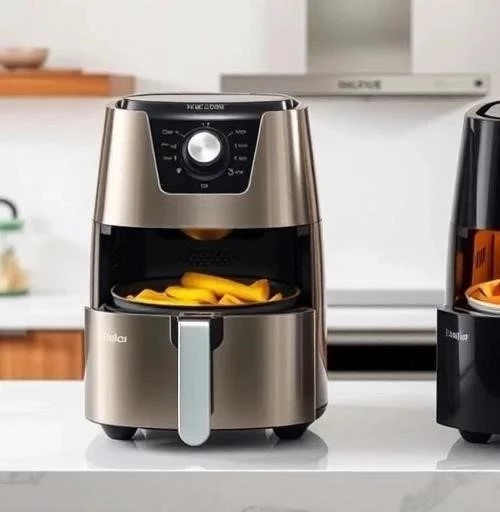
When choosing an air fryer‚ shoppers often compare models with a conventional tubular heating element—sometimes called a “TEN”—and those with a halogen lamp. Both appliances use a fan to circulate hot air‚ and both can roast‚ bake‚ and crisp food with little oil. The main difference is how they generate heat. Neither type is automatically superior: the right choice depends on what you cook‚ how often you use the appliance‚ and which features matter most.
How the two types work
A heating-element air fryer uses an electric metal element‚ usually positioned above the cooking chamber. The element warms the air‚ while a fan moves that air around the food. This familiar arrangement is found in many countertop ovens and air fryers. Temperature control is generally managed by a thermostat‚ which switches the element on and off as needed.
A halogen air fryer uses a halogen bulb to produce heat and infrared radiation. The bulb can heat the cooking chamber and the food’s surface quickly‚ while a fan helps distribute the heat. Many models have a transparent glass bowl‚ so you can watch the food cook. The visible glow is normal‚ but the lamp and bowl become very hot during use.
Cooking speed and results
Halogen models are often praised for fast warm-up and responsive heating. They may be convenient when you want to cook a small portion without waiting long for the appliance to heat. Direct radiant heat can also brown exposed surfaces quickly. However‚ results depend on the fan‚ bowl shape‚ food arrangement‚ and temperature settings—not just on the lamp. Dense or piled-up food may still need turning or stirring.
Element models may take a little longer to reach temperature‚ depending on their design and power. In return‚ many provide steady‚ familiar oven-style cooking and can handle a broad range of everyday tasks. They can produce crisp results too‚ especially when food is spread out in a single layer and air can circulate freely. A higher wattage does not guarantee better cooking; chamber design and airflow matter as well.
Ease of use and cleaning
The clear bowl of a halogen cooker makes it easy to check browning without opening the lid. That can be useful for delicate foods‚ although the glass bowl is bulky and can be awkward to wash or store. Check whether it is dishwasher-safe and whether the appliance has a safe‚ convenient way to lift or move the hot lid.
Many heating-element air fryers use a pull-out basket or tray. These parts are often easier to fit in a sink or dishwasher‚ but grease and crumbs can collect in corners or around the heating area. Always follow the manufacturer’s cleaning instructions. Unplug the appliance‚ let it cool fully‚ and do not immerse an electrical lid or heating assembly in water.
Durability‚ safety‚ and running costs
A halogen bulb is a replaceable component in some models‚ but availability and replacement cost vary. Ask whether a replacement lamp is sold and how easy it is to install. Heating elements can also fail‚ and repairs may not be practical on an inexpensive appliance. In either case‚ check the warranty‚ build quality‚ and availability of service before buying rather than assuming one technology lasts longer.
Energy use depends mainly on cooking time‚ power‚ portion size‚ and how efficiently the appliance holds and circulates heat. A halogen cooker’s quick response may save time for some meals‚ but it is not proof that it will always use less electricity. Compare wattage and capacity‚ and consider whether you can cook your usual portions in one batch. Follow clearance guidance‚ keep the appliance on a stable heat-resistant surface‚ and never touch hot glass or a glowing lamp.
Which one should you choose?
- Choose halogen if you value a visible cooking chamber‚ quick heat response‚ and often prepare modest portions. Make sure you are comfortable handling a hot‚ heavy bowl and have checked bulb replacement options.
- Choose a heating-element model if you prefer a familiar basket or oven-style format‚ straightforward everyday cooking‚ and accessories that are easy to remove and clean. Compare airflow‚ usable capacity‚ and temperature control between models.
For most buyers‚ the best decision is not based on the heat source alone. Compare independent reviews of the exact models‚ check how evenly they cook‚ and make sure their capacity suits your household. Look for simple controls‚ a reliable timer‚ practical cleaning‚ and clear safety instructions. If two models are otherwise similar‚ choose the one that fits your kitchen and cooking habits better. A well-designed air fryer of either type can make crisp‚ convenient meals; overcrowding the basket or bowl is more likely to spoil the result than choosing the “wrong” technology.

4 Comments. Оставить новый
The practical notes about food arrangement and turning or stirring are helpful. They make it clear that cooking results depend on more than the heating technology.
A useful overview for anyone comparing these appliances. The straightforward descriptions of warm-up, browning, and everyday cooking make the differences easy to understand.
This is a clear, balanced comparison. I like that it explains how each appliance produces heat without claiming one type is always better.
The explanation of halogen heat and the reminder that the lamp and glass bowl get very hot are especially useful for shoppers considering this style of air fryer.