
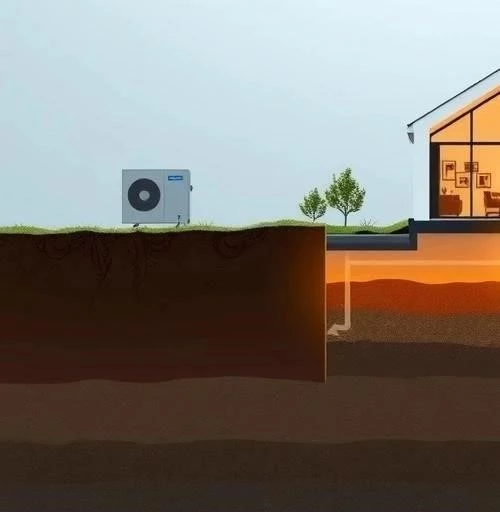
Heating a house on difficult ground calls for more than choosing a boiler or heat pump. Soil conditions can affect foundations, buried pipes and the equipment used to supply heat. A carefully planned heating system for a country house can provide dependable comfort while reducing the risk of damage and unnecessary energy use.
How the Site Affects the Design
Expansive soil, clay soil, unstable ground and a high groundwater level each create different construction challenges. Expansive soil may move as moisture levels change, while clay can drain slowly and hold water. Groundwater may complicate excavation and affect buried equipment. These conditions do not rule out a particular heating method, but they make the site’s specific features important to the design.
Before choosing equipment, arrange geological surveys. A specialist can assess soil layers, groundwater depth, bearing capacity and seasonal movement. This information helps determine safe pipe routes, foundation details and whether a ground-source system is practical. It also informs foundation insulation and protection for utility lines against moisture, frost and ground movement;
Comparing Heating Options
- Water-based heating: A boiler or heat pump warms water that circulates through radiators or underfloor pipes. The layout should allow for movement around foundations and provide access for inspection and repair.
- Electric heating: Direct electric heaters or electric boilers can be simple to install, especially in smaller or well-insulated homes. Running costs depend on local electricity prices and the home’s heat demand.
- Gas boiler: Where a gas connection is available, a gas boiler can provide familiar, responsive heat. Fuel availability, emissions requirements and installation costs should be considered.
- Heat pump: An air-source heat pump avoids a buried ground loop, while a ground-source heat pump uses heat collected from the soil. Ground-source systems require careful site assessment and suitable collector placement.
Ground-Source Heating on Difficult Sites
Geothermal heating can be efficient, but the ground loop must match the property and local geology. A horizontal collector needs sufficient land and excavation; on wet or unstable ground, construction may require additional precautions. Vertical probes use less surface area but involve drilling and specialist installation. Groundwater, access for machinery and soil stability can affect both feasibility and price. Geological data should guide the choice rather than assumptions about the plot.
Comfort, Efficiency and Cost
Calculate the home’s heat loss before sizing equipment. Insulation, airtightness, windows and ventilation all affect the required capacity. Improving these features, including foundation insulation where appropriate, can reduce energy demand and help keep operating costs manageable. Oversized equipment may cycle inefficiently, while undersized equipment may struggle during cold weather.
For reliable heating, coordinate the foundation, drainage, pipe routes and equipment location during design. Use flexible connections where needed, keep key components accessible and protect buried communications and heating pipes from water and ground movement. The heating system installation should follow the survey findings and manufacturer requirements.
Planning a Reliable Solution
Autonomous heating can be useful where utility connections are limited, but the best option depends on energy access, maintenance needs and household use. Compare the full cost of heating, including installation, fuel or electricity, servicing and expected lifespan. A turnkey heating service may coordinate design, equipment and installation; check the scope, warranties and commissioning process before signing.
Choosing heating for a home on challenging soil is ultimately a site-specific decision. Geological surveys, accurate heat-loss calculations and suitable protection for foundations and utilities help reduce avoidable risks. With those measures in place, a properly selected system can deliver dependable comfort and good energy efficiency without treating difficult ground as a reason to compromise.




2 Comments. Оставить новый
This overview highlights the connection between site conditions, installation planning and reliable home heating. The practical emphasis on geological surveys helps readers understand why system choices should be based on the specific property.
The article clearly explains why soil conditions and groundwater should be assessed before selecting a heating system. Its comparison of heating options is useful, though a brief discussion of maintenance requirements would add further context.