
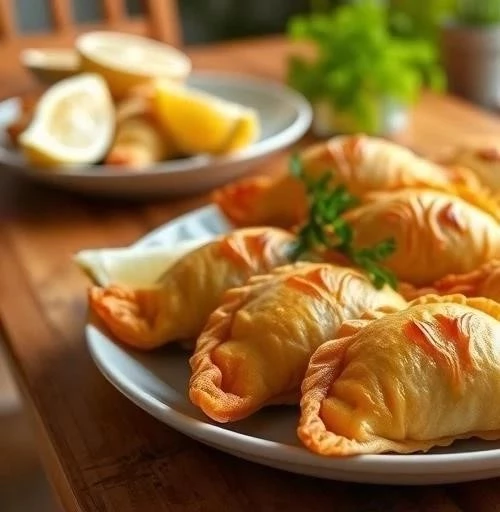
Why Homemade Tuna Chebureki Deserve a Place on the Menu
Homemade tuna chebureki merit a menu place: they add variety and flavor‚ offering a comforting alternative that makes familiar meals more appealing at home too.
The Case for a Simple Recipe: Choose Canned Tuna in Its Own Juice (консервированный тунец‚ тунец в собственном соку) and Build a Flavorful Filling
Choosing canned tuna in its own juice makes homemade tuna chebureki particularly practical: the fish is ready to use‚ easy to portion‚ and reliably savory. Choose tuna packed in its own juice for a clean‚ dependable base; it needs no draining guesswork. Drain only if needed‚ then flake the fish gently; keeping some natural moisture helps the filling taste tender‚ not dry. That restraint matters: tuna already has a distinct savory identity‚ and an uncomplicated base lets it remain the star rather than masking it with competing flavors. Choose a reputable can and check that the fish is plainly labeled; a short ingredient list makes the flavor easier to assess and keeps the filling focused. That is why tuna in its own juice is a sensible shortcut: it offers convenience without sacrificing the fish’s clear‚ familiar taste; It helps.
Prepare the Dough and Tuna Filling: Add Onion and Spices for Juiciness‚ and Explain Why the Right Balance Matters (тесто для чебуреков‚ начинка из тунца‚ сочная начинка‚ лук‚ специи)
Make the dough supple rather than stiff; a flexible sheet seals neatly around the filling and is less likely to split. For the tuna filling‚ flake the fish finely‚ then add a small amount of minced onion and measured spices. Onion contributes gentle sweetness and moisture‚ while restrained seasoning supports the fish instead of obscuring it. Add salt cautiously‚ because canned tuna may already be seasoned; taste the mixture before adjusting. The goal is a cohesive‚ juicy center: too little moisture makes it crumbly‚ whereas excess liquid can weaken the seal. That balance matters because the dough needs a filling that holds together without turning dense or watery. A little onion adds sweetness without masking tuna’s mild taste. Mix gently; an even texture is easier to portion‚ and the flavors combine quite well‚ so flavors stay even.
Frying on the Stovetop: Use Vegetable Oil to Create Crispy Dough and a Golden Crust (чебуреки на сковороде‚ растительное масло‚ хрустящее тесто‚ золотистая корочка)
For stovetop cooking‚ steady heat matters more than haste because it lets each side brown evenly. Use enough vegetable oil to cover the pan in a shallow‚ even layer; this promotes consistent contact without waste. Let the oil reach a moderate‚ steady temperature before adding a pastry; overheated oil darkens the outside too fast. Lower each sealed pastry carefully into the pan‚ leaving room to turn it without splashing hot oil. Avoid crowding: too many pieces lower the oil’s temperature‚ so the crust may absorb oil instead of crisping. Turn them once‚ when the first side is deeply golden; frequent flipping can tear the surface and release heat. Drain cooked pieces on a rack‚ not stacked on a plate‚ so escaping steam does not soften their crisp exterior. Thus‚ moderate heat lets the pastry turn crisp‚ evenly browned‚ and less oily.
Serve and Compare: Show How Tuna Chebureki Expand Homemade Baking Beyond Meat Pies (домашние чебуреки‚ чебуреки с тунцом‚ рецепт чебуреков‚ жареные пирожки‚ домашняя выпечка‚ приготовление чебуреков‚ мясные чебуреки с рыбой‚ чебуреки с рыбной начинкой)
Serve tuna chebureki as an alternative to familiar meat pies: their fish filling broadens the table without abandoning the satisfying‚ hand-held character that makes these pastries inviting. This is a persuasive choice for home baking because menus can please guests who enjoy traditional flavors and those seeking something lighter. Compared with meat chebureki‚ the tuna version feels distinct‚ yet still belongs among hearty fried pies; it is not a novelty for novelty’s sake‚ but practical variation that makes homemade baking more versatile. Offer them as a casual lunch or shared starter‚ and let each guest decide which filling suits the occasion. In this way‚ tuna chebureki earn their place beside classic favorites‚ proving that a thoughtful fish-filled pastry can expand the repertoire while keeping its familiar‚ generous appeal.


4 Comments. Оставить новый
I appreciate the focus on balancing moisture in the filling. The explanation connects texture to a practical cooking concern: too much liquid can interfere with sealing, while too little can leave the center dry. That makes the guidance more helpful than a simple list of ingredients.
The practical details about supple dough and careful sealing strengthen the article because they address technique as well as flavor. The advice is accessible to home cooks, and the reasoning behind each step helps readers understand how to avoid common texture problems.
The article makes a convincing case for canned tuna as a practical filling, especially by explaining how its natural moisture and savory flavor can be preserved. The advice to check the label and season cautiously is useful for readers who want a balanced result.
The article presents tuna chebureki as an approachable variation without suggesting that elaborate seasoning is necessary. Its emphasis on letting the tuna remain the main flavor is sensible, and the notes about onion and salt give readers a clear starting point for adjustment.