
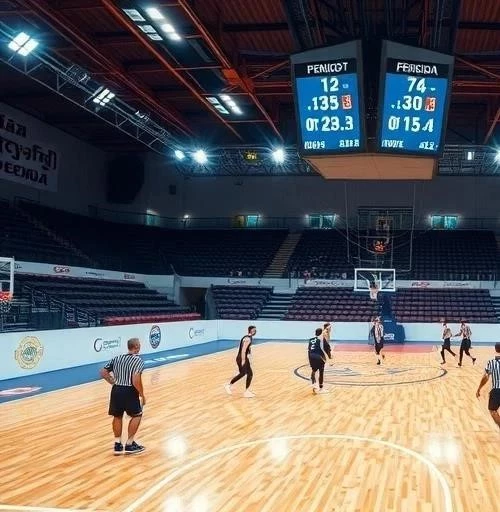
A standard basketball game in Russia is scheduled for 40 minutes of playing time․ Under the rules generally used in Russian competitions, the game consists of four 10-minute quarters․ This is the international FIBA format, which differs from the 48-minute format used in the NBA․
Playing time and breaks
The 40 minutes refer to time on the game clock, not the total time spectators spend at the venue․ The clock stops whenever play is interrupted—for example, after many fouls, when the ball goes out of bounds, during timeouts, and at the end of a quarter․ As a result, a game takes considerably longer in real time․
- First quarter: 10 minutes of playing time․
- First interval: 2 minutes․
- Second quarter: 10 minutes․
- Halftime: 15 minutes․
- Third quarter: 10 minutes․
- Second interval: 2 minutes;
- Fourth quarter: 10 minutes․
These are the standard intervals under FIBA rules․ Organizers may set the schedule around the game, and broadcasts or particular events can add time before or after play․ The listed intervals do not mean that every break will feel exactly the same to an audience: teams may leave the court, and the arena may have announcements or other presentation elements․
How long does a game take in practice?
For a spectator, a typical professional game in Russia usually lasts about 1 hour 30 minutes to 2 hours from the start of play to the final whistle․ Some games finish sooner; others take longer․ A close score, frequent fouls, several timeouts, video reviews, or a tense final minute can extend the event․ Because the clock stops during interruptions, the final minutes of a close game may take several minutes of real time․
Timeouts are also part of the difference between scheduled playing time and the total event․ Under the standard FIBA format, teams can request timeouts during the game, subject to limits that vary by half and overtime․ Each timeout interrupts play and adds to the elapsed time․ Fouls can also lead to free throws, while substitutions and referee decisions create further pauses․
What happens if the score is tied?
If the scores are level at the end of the fourth quarter, the teams play overtime․ Each overtime period lasts 5 minutes․ If the tie remains, another five-minute period is played, and this continues until a winner is decided․ Short intervals apply before overtime periods, but they do not make overtime a fixed part of every game․ A match that goes to one or more overtimes can therefore last well beyond two hours․
Does the duration vary by competition?
Russian professional basketball generally follows FIBA rules, but competition regulations can specify details such as age groups, scheduling, or event presentation․ Youth and school tournaments may use different quarter lengths or other adapted rules․ For that reason, the stated duration for a particular match should be checked in its competition regulations or event information․
It is also useful to distinguish the duration of the game itself from the time spent at the arena․ A ticketed event may include warm-ups, introductions, a pre-game presentation, halftime performances, and post-game activities․ These are not included in the 40 minutes of regulation playing time and can make the entire visit longer than the match․
In brief
Regulation basketball in Russia is 40 minutes of game-clock time: four 10-minute quarters․ With clock stoppages and scheduled breaks, a typical game takes around 90 minutes to 2 hours in real time․ Overtime adds five minutes of playing time per period, plus the associated interruptions and intervals․ The exact finish time depends on the pace of the game, fouls, timeouts, reviews, and whether overtime is required․
3 Comments. Оставить новый
The section headings and breakdown of quarters and intervals make the information easy to follow. The explanation of stoppages also helps clarify why games take longer than the clock time suggests.
The article clearly distinguishes the 40 minutes of playing time from the longer time spectators spend at a game. Its comparison with NBA rules provides useful context.
The article gives a practical overview of game length and factors that can extend it. The supplied text ends mid-sentence, so the final point appears incomplete.